Uefa's Club Competitions Set to Smash €1 Billion Sponsorship Milestone
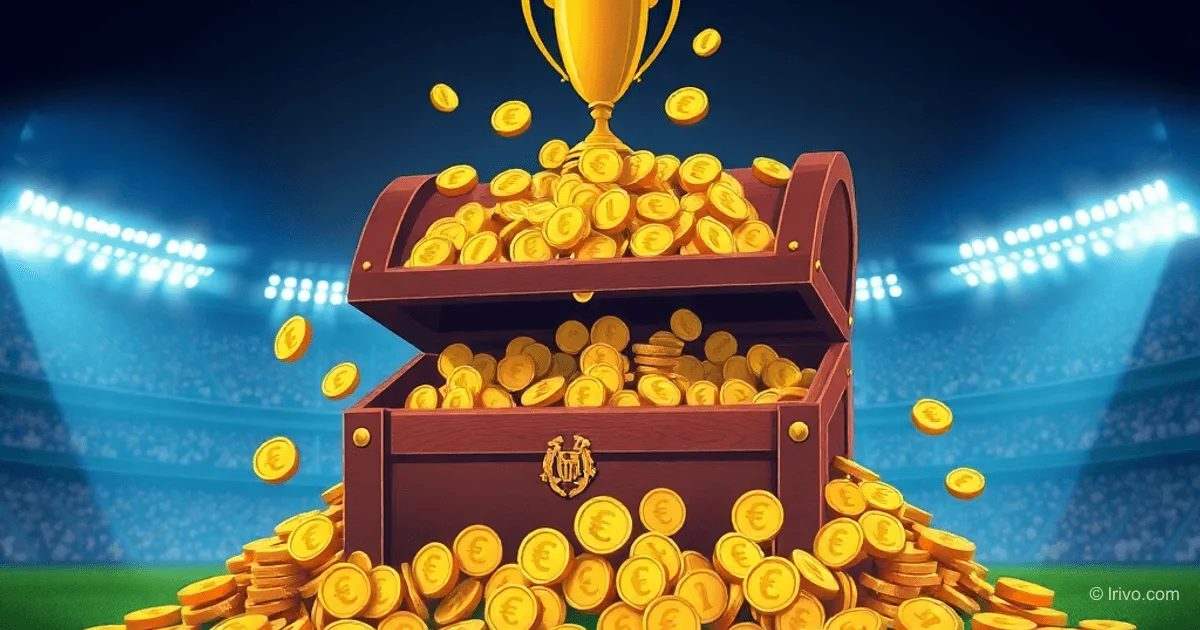
Uefa is on track to pull in over €1 billion annually from sponsors for its club tournaments starting next year. That's a massive jump of more than 40% from current levels. The cash surge comes as the governing body finalizes two more major global partnership deals, completing its roster of top-tier sponsors.
This sponsorship boom adds to the already huge increase Uefa secured from selling the first block of TV rights for the 2027-31 cycle. When combined, these revenue streams are projected to push Uefa's total annual earnings past €6 billion, a significant leap from the current €4.4 billion. With most of this money funneled to clubs in the Champions League, the financial gap in European football is set to widen even further.
How Uefa is Raking in the Cash
The organization's commercial arm, UC3, has overhauled its entire sales strategy. They've created a new structure with four 'elevated partners' who get branding across all three competitions—Champions League, Europa League, and Conference League. This gives sponsors exposure in over 530 matches a season, compared to just 189 if they only sponsored the Champions League.
Eight other sponsorship packages are available, but these are focused solely on the Champions League. The agency Relevent Football Partners, hired last year, set aggressive minimum prices. For the top-tier packages, the reserve price was €120 million per year.
Key deals already secured include:
- AB InBev (beer partner): Agreed to pay €230 million annually, ending Heineken's 35-year run.
- Pepsi (soft drinks): Extended its sponsorship for another six years at a price above the reserve.
- Nike: In exclusive talks to replace Adidas as the official match ball supplier.
The two pending deals—with an official payments provider and a technology partner—are expected to bring in at least another €250 million per year combined.
The Growing Financial Divide in European Football
The influx of cash intensifies the debate over how football's wealth is shared. Currently, Uefa allocates 74% of its club competition prize fund to Champions League participants. Europa League clubs get 17%, and Conference League clubs get 9%. This model means the biggest clubs cash in the most.
Last season, seven clubs received over €100 million in Uefa prize money alone, with Paris Saint-Germain topping the list at €144.4 million for winning the Champions League. Critics warn this growing financial chasm threatens competitive balance across the continent.
At a recent meeting, the Union of European Clubs proposed an alternative model:
- Split revenue 50% to Champions League clubs, 30% to Europa League, and 20% to Conference League.
- Pool a proportionate share of that money back into the domestic leagues of the qualifying clubs, rather than giving it all directly to the clubs themselves.
However, given the influence of elite clubs within the UC3 joint venture, this more redistributive proposal is unlikely to gain serious traction. Uefa and its commercial partners declined to comment on the financial forecasts or distribution debates.
Key Takeaways
- Record-Breaking Revenue: Sponsorship income for Uefa's club competitions is set to exceed €1 billion per year from 2027, a more than 40% increase.
- New Commercial Strategy: A revamped sales structure created 'elevated partners' with rights across all three competitions, maximizing brand exposure.
- Major Deals Secured: AB InBev and Pepsi have signed huge six-year deals, while Nike is in talks to supply match balls.
- Widening Financial Gap: The current distribution model funnels most new revenue to elite Champions League clubs, exacerbating inequality.
- Redistribution Proposals: Groups like the Union of European Clubs are pushing for a fairer split and funds for domestic leagues, but face an uphill battle.
— Editorial Team