West Ham's Boardroom Shakeup: Brady Departs, Sullivan and Kretinsky Share Power
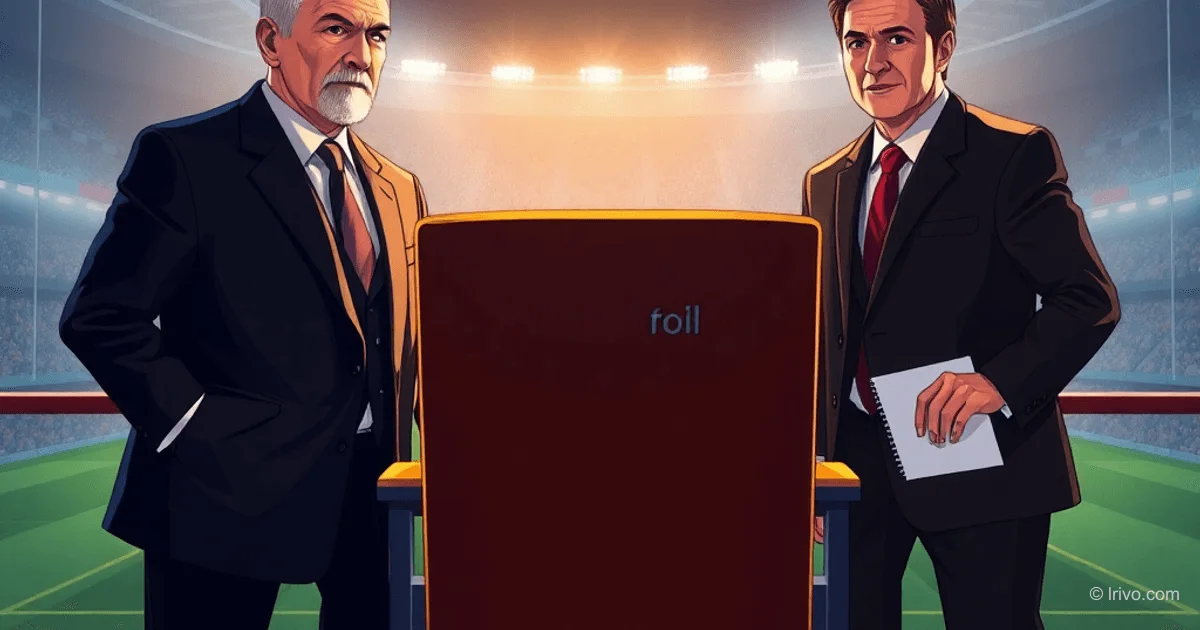
West Ham United is undergoing a significant power shift at the top. Karren Brady, the club's vice-chair for 16 years, has stepped down, marking the end of a major era. Meanwhile, co-owner David Sullivan is staying put and is set to share control with Czech billionaire Daniel Kretinsky, who is increasing his stake to match Sullivan's shareholding.
A Changing of the Guard
The announcement of Brady's departure triggered a series of executive changes. Chief Finance Officer Andy Mollett will leave at the end of the season, and Executive Director Nathan Thompson has stepped down immediately. These exits pave the way for a new leadership structure, with Kretinsky expected to play a key role in appointing replacements. Brady cited a desire to focus on her television career and work in the House of Lords. Her tenure was highlighted by leading the club's controversial move to the London Stadium and the 2023 Conference League victory.
Behind Brady's exit is a more fundamental reshuffle of club ownership. Following the death of co-owner David Gold in 2023, his daughter Vanessa Gold explored selling the family's 25.1% stake. Instead of a full external sale, an internal agreement has been reached. Sullivan and Kretinsky are each buying portions of the Gold stake. This will see their individual holdings rise to over 40%, effectively making them joint-chairs with equal influence. Sullivan, previously the dominant figure with 38.8%, will now face a powerful counterweight in Kretinsky, who bought a 27% stake in 2021.
Fan Pressure and Financial Reality
This boardroom transition comes against a backdrop of intense fan dissatisfaction and financial strain.
- A large section of supporters have protested against the leadership, using slogans like "No More BS" targeting Brady and Sullivan.
- The club is in serious danger of relegation, sitting 17th in the Premier League with five games remaining.
- West Ham reported a loss of £104.2 million in its last financial year, raising the prospect of key player sales this summer.
- Fan discontent has roots in the stadium move and a perceived lack of progress toward the "world-class team" promised alongside the "world-class stadium."
Kretinsky acknowledged Brady's often underappreciated work, citing her role in securing the long-term stadium contract, managing shareholder transitions, and the record sale of Declan Rice. Sullivan praised her as an "exceptional leader." Their business partnership, which began nearly 40 years ago when Brady persuaded Sullivan to buy Birmingham City, has now reached its conclusion at West Ham.
Key Takeaways
- Executive Exodus: Karren Brady's departure is part of a wider clearing of senior executives, signaling a fresh start for the club's administration.
- Power Balance: The ownership structure is shifting from Sullivan's dominance to a balanced partnership with Daniel Kretinsky, who will have equal say on major decisions.
- Fan Discontent: The changes follow sustained protests from supporters unhappy with the board's direction, the team's performance, and the club's financial health.
- Financial Pressure: Massive annual losses and a relegation battle create an urgent need for strategic changes both on and off the pitch.
- Historical Chapter Ends: Brady's era, defined by the stadium move and a European trophy, closes as the club enters a new, uncertain phase under a dual-chairmanship.
The immediate future for West Ham involves navigating a tense end to the season while its new co-leaders begin planning for a summer of likely upheaval. The hope among fans is that this boardroom reset will lead to a more stable and ambitious direction for the club.
— Editorial Team