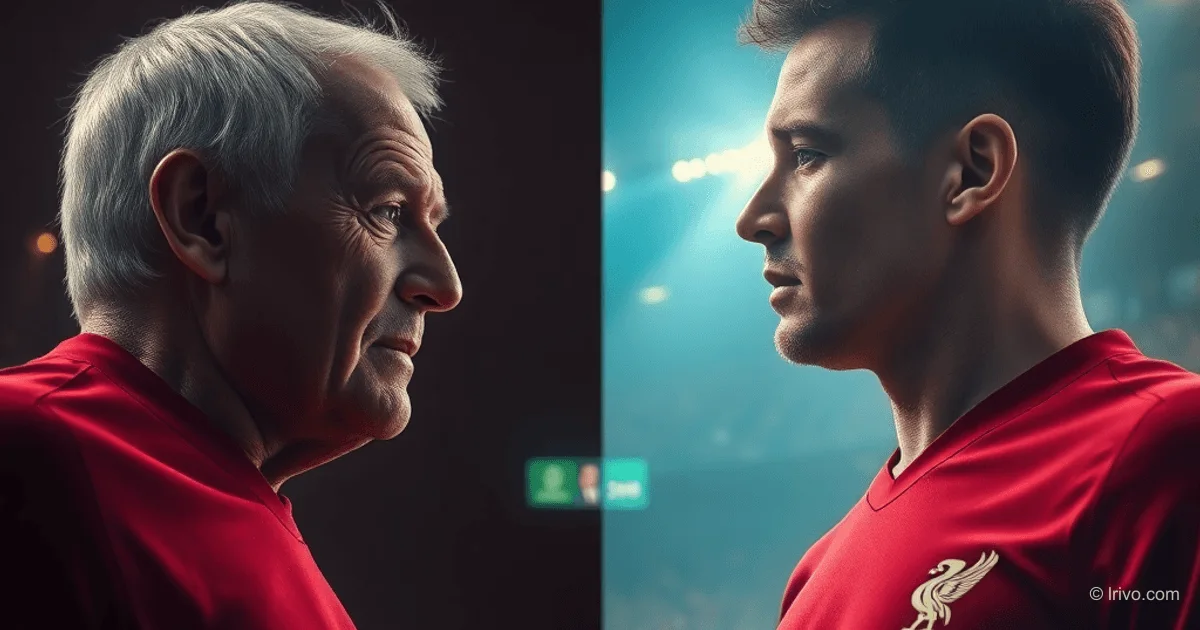
Liverpool's Costly Contract Decisions with Salah and Van Dijk Backfire
Liverpool’s decision to hand massive new contracts to Mohamed Salah and Virgil van Dijk now looks like a major financial misstep. Both players, club legends since joining in 2017 and 2018 respectively, were given among the highest weekly wages in Premier League history—Salah at £400,000 plus bonuses, Van Dijk at £350,000 plus bonuses—even as they entered their thirties. With performances declining this season and Liverpool’s title challenge faltering, the club is facing serious questions about short-term thinking.
The Price of Loyalty Without Long-Term Vision
Keeping Salah and Van Dijk through contract extensions wasn’t inherently wrong. Their contributions over nearly a decade made them icons at Anfield. But the scale of the financial commitment—reportedly totaling around £39 million just in wages for the final year of their deals—has become hard to justify. Salah is set to leave on a free transfer this summer after what’s likely his least productive season in red, while Van Dijk will enter the final year of his deal having struggled defensively, including a costly penalty conceded against Manchester City.
Unlike younger stars whose peak years align with big contracts, Salah and Van Dijk were already past their prime when these deals were signed. The result? A bloated wage bill with diminishing returns on the pitch.
Echoes of Arsenal’s Past Mistakes
This situation mirrors Arsenal’s infamous contracts for Mesut Özil and Pierre-Emerick Aubameyang. Both were world-class when signed to lucrative extensions, but rapid declines forced the club to cut ties early—tearing up deals and accepting financial losses. Liverpool appears to be repeating that playbook: rewarding past glory rather than future potential.
The irony is sharp. While Liverpool spent roughly £20 million on Salah’s wages this season and over £18 million on Van Dijk’s, their standout performer—Dominik Szoboszlai—cost only about a third of Van Dijk’s annual salary. That imbalance highlights a squad construction issue: too much money tied up in fading stars, not enough flexibility to build around emerging talent.
Why This Hurts More Than Just the Balance Sheet
It’s not just about the cash. These contracts limit Liverpool’s ability to reinvest wisely:
- Transfer strategy: With record signings already made last summer, the wage structure leaves little room for further top-tier reinforcements.
- Squad morale: High earners underperforming can create tension, especially when younger, hungrier players are paid significantly less.
- Managerial pressure: Arne Slot (or his successor) inherits a squad with financial constraints that make tactical evolution harder.
And let’s be clear: Salah and Van Dijk aren’t solely responsible for Liverpool’s struggles. New signings haven’t delivered, and the team lacks cohesion. But the wage burden from these two deals removes margin for error in recovery.
Key Takeaways
- Liverpool committed nearly £40 million in wages to Salah and Van Dijk for a season where neither performed close to their peak.
- Salah will depart on a free this summer, meaning Liverpool gained zero transfer value after rejecting a £150m offer from Al-Ittihad three years ago.
- Van Dijk remains under contract for one more year but has shown signs of decline, raising doubts about his value at £350k/week.
- The club’s approach echoes Arsenal’s Özil-Aubameyang blunder—rewarding legacy over future performance.
- Financial inflexibility now hampers Liverpool’s ability to rebuild effectively amid a shaky title defense.
While loyalty to club legends is admirable, football economics demand realism. Paying peak-era wages to players in decline isn’t sustainable—even for giants like Liverpool. The £39 million “double deal blunder” serves as a cautionary tale: sentiment must never override strategic planning.
— Editorial Team