Liverpool’s Late Champions League Spark Highlights What Was Missing All Season
Liverpool turned in one of their most energetic and committed performances of the season in their final Champions League match against Paris St-Germain—but it came too late. Despite a passionate showing at Anfield, the Reds still lost 2-0 on the night and exited the competition 4-0 on aggregate. Former defender Stephen Warnock believes that if this version of Liverpool had shown up consistently across the Premier League campaign, they’d be in the title race right now.
A Glimpse of What Could Have Been
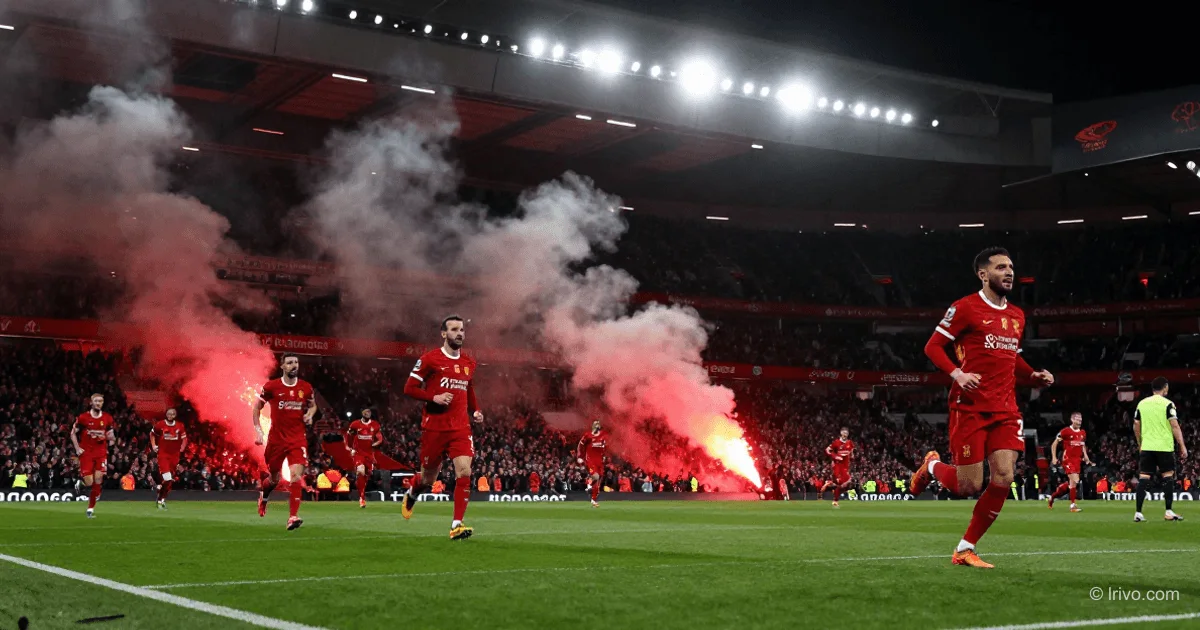
Warnock, speaking on BBC Radio 5 Live’s Football Daily podcast, praised the intensity and connection between players and fans during the second leg. “There was a real desire about the team to try to get a result,” he said. “They lifted the crowd and the crowd lifted them as well.” That mutual energy created moments of genuine threat—something largely absent during much of Liverpool’s inconsistent domestic season.
But even in this improved display, key flaws remained visible. Warnock pointed out that while the effort was there, clear-cut chances were scarce. “They still fell short in terms of really creating anything major and very clear,” he noted. PSG’s disciplined defensive shape certainly played a role, but Liverpool’s attacking limitations—especially in wide areas—continued to hinder their progress.
The Problem with Carrying Players
One of Warnock’s sharpest critiques centered on squad balance. He contrasted Liverpool’s reliance on individual brilliance with PSG’s collective cohesion. “PSG don't carry men. Liverpool carry players—and it's incredible,” he said, referencing how stars like Mohamed Salah, Florian Wirtz (likely a misstatement—Wirtz plays for Leverkusen), and even Alexander Isak (who doesn’t play for Liverpool) were described as being “carried” by teammates.
His point, though slightly muddled in phrasing, cuts deep: Liverpool lack the selfless, system-driven movement seen in Europe’s elite sides. Instead, they often depend on moments of magic from top earners rather than structured, high-energy pressing and interchanging play. When those stars are off-form or marked tightly—as Salah often has been this season—the whole attack stalls.
Youth Shows Promise But Also Inexperience
The emergence of Rio Ngumoha offered a rare bright spot. The young winger came off the bench and showed flashes of directness and fearlessness. Yet, as Warnock observed, his inexperience showed. “You could see his naivety at times,” he said—a reminder that while the academy pipeline is strong, immediate solutions may require more seasoned reinforcements.
This performance raised more questions than answers. Why did this level of commitment only appear when European elimination was already inevitable? And can Arne Slot build a system next season that channels this energy consistently?
Historical Context Adds to the Frustration
The stats underline just how uncharacteristic this Champions League exit was:
- Liverpool failed to score in both legs of a European knockout tie for only the third time in their history.
- This marks the first time they’ve lost five matches in a single Champions League campaign.
- They join just eight other Premier League clubs to suffer such a record in Europe’s top competition.
These numbers reflect a season of missed opportunities—not just in Europe, but domestically too. With better consistency, Liverpool might have challenged Manchester City and Arsenal for the title. Instead, they’re left wondering what might have been.
Key Takeaways
- Liverpool delivered their best European performance of the season—but only after elimination was confirmed.
- Stephen Warnock argues consistent displays like this would have put them in the Premier League title race.
- The team still lacks collective attacking structure, relying too heavily on star players.
- Young talents like Rio Ngumoha show promise but aren’t ready to solve systemic issues yet.
- This Champions League campaign ends as Liverpool’s worst-ever by losses, highlighting broader squad imbalances.
While there’s no silverware to celebrate, this late-season spark offers a blueprint for Arne Slot. If he can instill this level of urgency and unity from August onward, next season could tell a very different story. For now, though, it’s a case of too little, too late.
— Editorial Team