Liverpool’s Attack Falls Silent in Champions League Exit
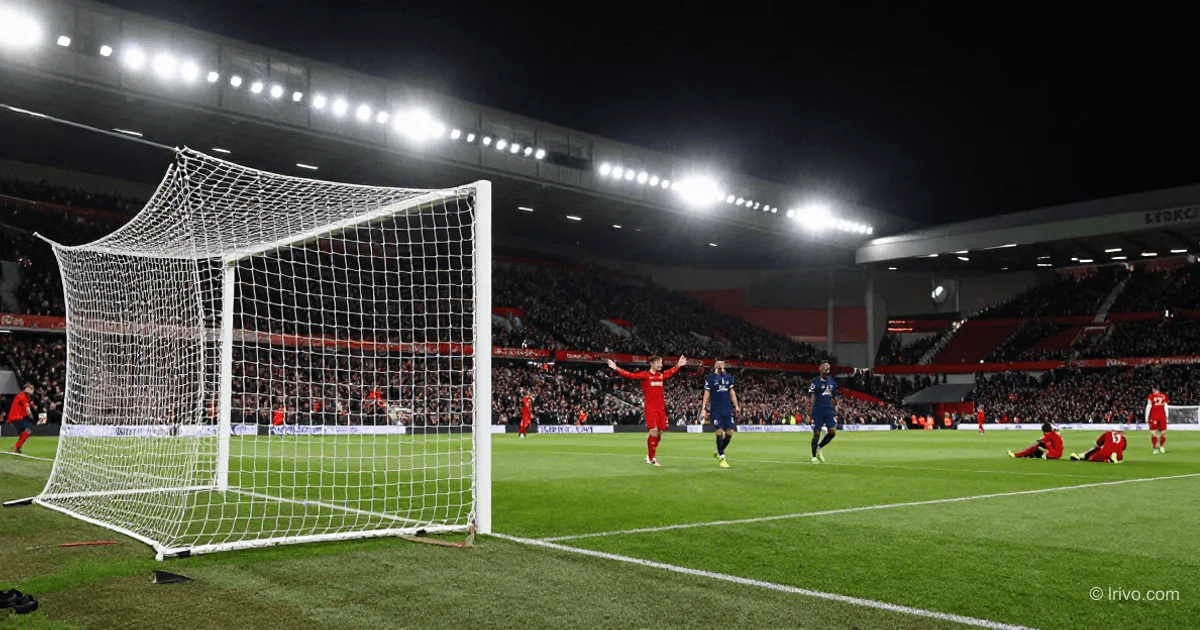
Liverpool gave it everything against Paris Saint-Germain at Anfield but couldn’t find the back of the net—again. After a goalless draw in Paris and another blank in front of their home crowd, Arne Slot’s side bowed out of the Champions League having failed to score across 180 minutes. It wasn’t for lack of trying: they created chances, pressed hard in the second half, and even had a penalty overturned by VAR. But when Ousmane Dembele buried a clinical finish past Giorgi Mamardashvili, the tie was effectively over.
A frustrating night despite clear improvement
Compared to last week’s flat performance in the Parc des Princes, Liverpool looked sharper, more aggressive, and far more like themselves. The energy was there, the transitions were quicker, and the crowd roared behind every surge forward. Yet for all their dominance in spells, they couldn’t convert pressure into goals. Matvei Safonov, PSG’s goalkeeper, wasn’t seriously tested until late in the game—and even then, Liverpool’s final ball lacked the precision needed at this level.
The turning point might have been the disallowed penalty. Had it stood, Anfield would’ve erupted, momentum would’ve shifted, and PSG might have cracked under pressure. Instead, the visitors stayed composed, absorbed the storm, and struck on the counter through Dembele’s moment of individual brilliance.
Attacking trio undone by injuries and rhythm issues
One of the biggest talking points was Liverpool’s much-anticipated front three: Alexander Isak, Hugo Ekitike, and Florian Wirtz—all summer signings brought in to revitalize the attack. This was only the second time they’d started together, and it lasted less than 45 minutes. Ekitike went off injured before halftime, and Isak—who had just returned from his own layoff—was substituted at the break, leaving Wirtz as the lone survivor up front.
That disruption killed any chance of building chemistry or sustained pressure. Without a consistent strike partnership or reliable service into the box, Liverpool resorted to hopeful crosses and speculative shots from distance. It’s hard to blame Slot entirely—he’s working with a squad still adapting to major personnel changes—but the lack of cutting edge in big moments remains a glaring issue.
What’s next for Liverpool?
With the Champions League dream over, all eyes turn to the Premier League. Qualifying for next season’s competition is now non-negotiable. Finishing in the top four isn’t just a target—it’s the bare minimum expected after such heavy investment in the squad.
Slot will need to fix the scoring drought fast. Over two legs against elite opposition, zero goals isn’t just unlucky—it’s alarming. Whether it’s tactical tweaks, more time for the new forwards to gel, or simply sharper decision-making in the final third, something has to change.
Key takeaways:
- Liverpool failed to score in either leg against PSG, exiting the Champions League on aggregate.
- The much-hyped attacking trio of Isak, Ekitike, and Wirtz barely lasted a half due to injury and substitution.
- A disallowed penalty could have changed the momentum, but PSG stayed resilient.
- Arne Slot now faces immense pressure to secure a top-four Premier League finish.
- The team showed improvement in intensity but still lacks clinical finishing in high-stakes matches.
The silver lining? They pushed one of Europe’s best teams and didn’t look outclassed. But in knockout football, effort doesn’t count—goals do. And right now, Liverpool aren’t producing enough of them when it matters most.
— Editorial Team