Dutch World Cup Strategy: Pundit's Bold Third-Place Idea
The upcoming World Cup is set to bring new strategic considerations, especially with its expanded 48-team format. Veteran football pundit Henk Spaan has thrown a surprising idea into the mix for the Dutch national team, suggesting that finishing first in their group might not be the most advantageous path. Instead, he argues that a carefully managed third-place finish could lead to an easier route in the knockout stages. This unconventional perspective challenges the traditional goal of topping the group and highlights the unique dynamics of the new tournament structure.
The Unconventional Path to Glory
Spaan's analysis, shared in his column for Het Parool, centers on the projected knockout stage matchups. The Netherlands, or Oranje as they are known, are drawn into Group F alongside Japan, Sweden, and Tunisia. Under the new format, not only the top two teams from each group qualify for the Round of 16, but also the eight best third-placed teams across the tournament. This crucial change opens up entirely new tactical possibilities for teams.
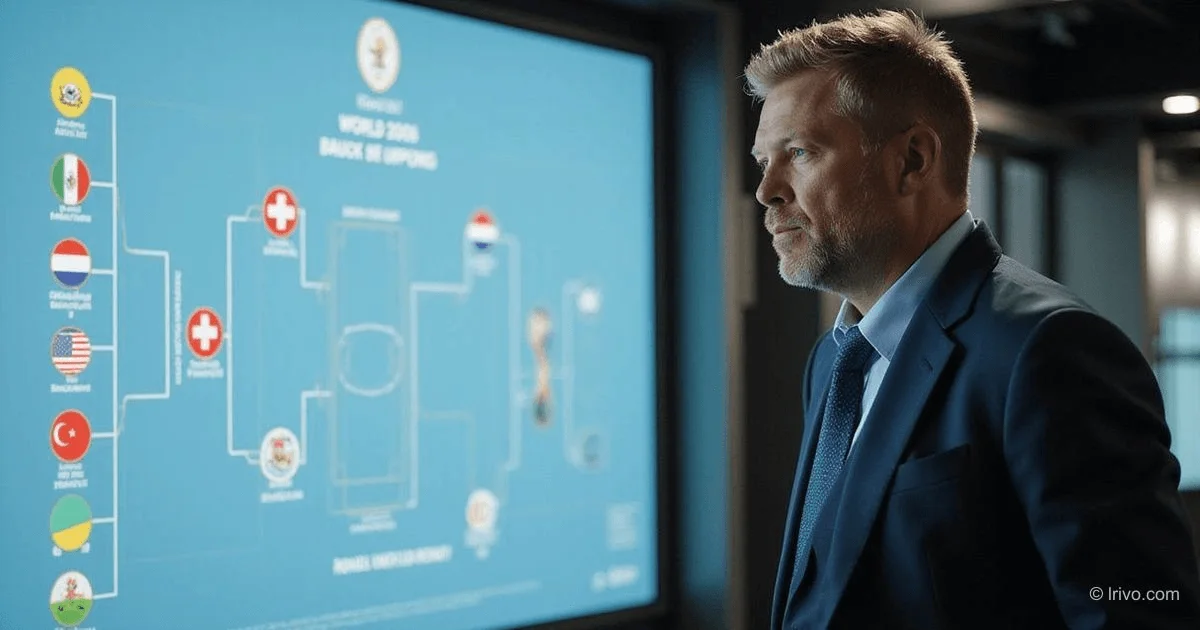
According to Spaan's calculations, the difference in potential opponents is stark. If the Dutch team manages to win Group F, their reward could be a clash with Morocco in the Round of 16. A second-place finish, however, would likely pit them against a formidable opponent: Brazil. The most intriguing scenario, in Spaan's view, arises from finishing third. In this case, the Oranje would potentially face Switzerland, Mexico, or the United States, which he considers more favorable matchups than Brazil or even Morocco.
Navigating Group F and Beyond
Spaan isn't just looking at the knockout stage; he also has specific thoughts on the group opponents. He expresses a "nagging suspicion" that Japan could be a "bridge too far" for the Netherlands in the group stage. While acknowledging Japan's superior team play, he points to the Dutch team's height advantage, suggesting that coach Ronald Koeman should field physically imposing players like Jurriën Timber and Matthijs de Ligt at the back, and utilize the aerial presence of Virgil van Dijk, Emanuel Emegha, and Cody Gakpo. This indicates a tactical approach focused on exploiting specific physical attributes against their group rivals.
The pundit also draws a historical parallel to support the idea that a slow start isn't necessarily a death knell. He references Italy's 1982 World Cup campaign, where they began with three draws in the group stage but eventually found their rhythm and went on to win the tournament. This analogy suggests that building momentum, rather than peaking too early, could be a viable strategy for the Dutch.
The Expanded World Cup Format
The 2026 World Cup marks a significant departure from previous editions, expanding to include 48 national teams. This increase means a total of 32 teams will progress from the group stage to the knockout rounds. This includes the traditional top two from each group, plus an additional eight teams determined by their performance as third-placed finishers. This structural change fundamentally alters the risk-reward calculations for teams in the group stage.
The implications of this format are vast. Teams no longer face the immediate elimination pressure if they slip to third place, as long as their overall performance is strong enough to be among the best third-placed sides. This could lead to more conservative approaches in certain group matches, or conversely, teams might gamble more knowing there's a safety net. Spaan's analysis for the Netherlands is a prime example of how coaches and analysts will be dissecting these new pathways to the final.
Key Takeaways
- Unconventional Strategy: Football pundit Henk Spaan suggests the Netherlands might benefit more from finishing third in their World Cup group than first or second, due to projected knockout stage opponents.
- Favorable Matchups: A third-place finish in Group F could lead to games against Switzerland, Mexico, or the US, while a first or second place might mean facing Morocco or Brazil.
- New Tournament Dynamics: The expanded 48-team World Cup format allows the eight best third-placed teams to qualify for the Round of 16, creating new strategic considerations.
- Group F Challenges: Spaan views Japan as a tough opponent for the Dutch, advising Koeman to leverage the team's height with players like Timber, De Ligt, Van Dijk, Emegha, and Gakpo.
- Historical Precedent: The pundit cites Italy's 1982 World Cup win, which began with a slow group stage, as an example of how a team can grow into a tournament.
— Editorial Team