Brazil's Football Federation Charts Course for Unified League by 2026
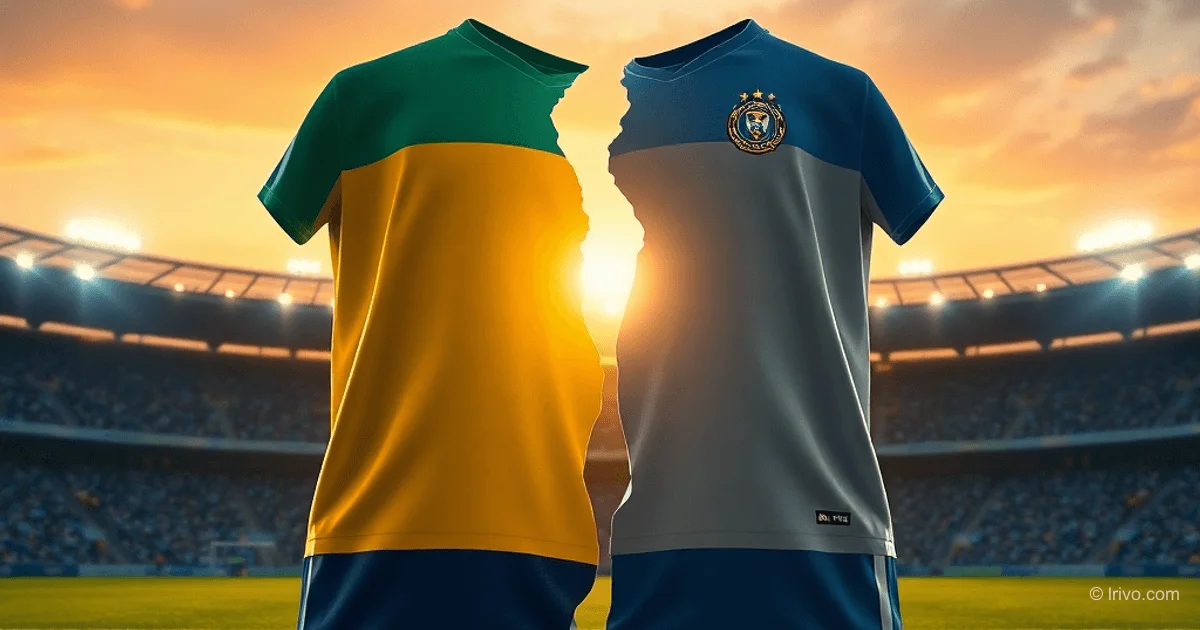
Brazilian football is gearing up for a major structural overhaul. The Brazilian Football Confederation (CBF) has presented a detailed roadmap to the country's top 40 clubs, aiming to unify the currently fragmented Série A and Série B into a single, cohesive league. The goal is to have a formal league statute in place by the end of 2026, marking a significant step toward modernizing the national game.
The plan comes as the CBF identifies what it calls a 'systemic gap' across ten critical areas. These range from basic issues like match scheduling and stadium standards to broader commercial challenges in broadcasting, marketing, and financial governance. The federation's analysis suggests these gaps are holding Brazilian football back from reaching its full potential on the global stage.
The Roadmap to Unification
The CBF's timeline is aggressive. From May to July 2026, clubs will be expected to submit their formal proposals for the new league's structure. The following two months, August and September, are earmarked for presenting these plans and securing final approval from all stakeholders. The final quarter of the year will then focus on the nitty-gritty: commercial structuring and drafting the official league statute.
This push for unity addresses a long-standing divide. Brazilian clubs are currently split between two different commercial blocs, Libra and FFU. The new roadmap is the CBF's attempt to bring everyone to the same table to create a stronger, more centralized entity. The underlying belief is that a unified front is essential for negotiating better TV deals, improving product quality, and boosting overall revenue.
Identifying the Systemic Gaps
So, what exactly needs fixing? The CBF's report points to several key issues where Brazil lags behind major European leagues. One standout problem is match scheduling. A staggering 80% of Brazilian top-flight matches are played at night. Compare that to 25% in England's Premier League, 60% in Spain's La Liga, and 30% in Germany's Bundesliga. The CBF argues this night-heavy schedule likely hurts stadium attendance, a vital source of atmosphere and income.
Fan experience and safety are also major concerns. A poll conducted in partnership with the CBF found that 74% of respondents perceive safety risks at Brazilian stadiums. Improving this perception is seen as crucial for getting more fans through the turnstiles. The financial gap is another stark reality. Despite Brazil's massive population of 210 million and 20 top-flight clubs, the league's total income is less than a third of the Bundesliga's, which operates in a country of 84 million with 18 clubs.
- Scheduling Imbalance: Over-reliance on night games potentially suppresses live attendance.
- Stadium Standards: Concerns over fan safety and facility quality need addressing.
- Revenue Disparity: The commercial output is disproportionately low compared to the nation's football passion and population size.
- Fragmented Governance: The split between Libra and FFU blocs complicates collective decision-making.
- Product Consistency: Issues from pitch quality to broadcast presentation need standardization.
Key Decisions on the Table
Once the unified league is formed, several contentious rules will be up for debate. The clubs themselves will have the final say through the new league body. One hot topic is the use of synthetic turf. Several prominent clubs, including Atlético Mineiro, Athletico Paranaense, Botafogo, Chapecoense, and Palmeiras, currently use artificial pitches. However, there is significant momentum among most clubs to implement a league-wide ban, favoring natural grass for consistency and quality of play.
Other potential changes on the agenda could reshape the competition itself. Discussions are expected to cover reducing the number of teams relegated from the top division from four to three each season. The rules regarding foreign players are also in the mix, with the current limit of nine non-Brazilian players per matchday squad subject to review.
The Commercial Imperative
A core principle driving this unification is the need to grow the overall financial 'pie' before clubs argue over how to slice it. The CBF is clear that the primary objective is to increase total league revenue. The current broadcasting contracts with the Libra and FFU blocs run until the end of 2029. This means any new, unified broadcasting deal negotiated by the proposed league would not begin until the 2030 season, giving the new entity time to establish itself and build its value proposition.
The path is set, and the clock is ticking. Brazilian football stands at a crossroads, with 2026 poised to be a defining year. The success of this unification plan hinges on getting 40 clubs with diverse interests to agree on a common vision for the future. If they succeed, it could mark the beginning of a new, more prosperous era for one of the world's most football-passionate nations.
Key takeaways
- The CBF aims to unify Brazil's Série A and B under a single league statute by December 2026.
- A major driver is addressing a 'systemic gap' in ten areas, including scheduling, stadiums, and commercial revenue.
- Critical decisions, like banning synthetic pitches and changing relegation rules, will be handed to the new league body.
- The primary goal is to grow overall league income, with a new unified TV deal targeted for the 2030 season.
- Unification requires bridging the current divide between the Libra and FFU club blocs.
— Editorial Team