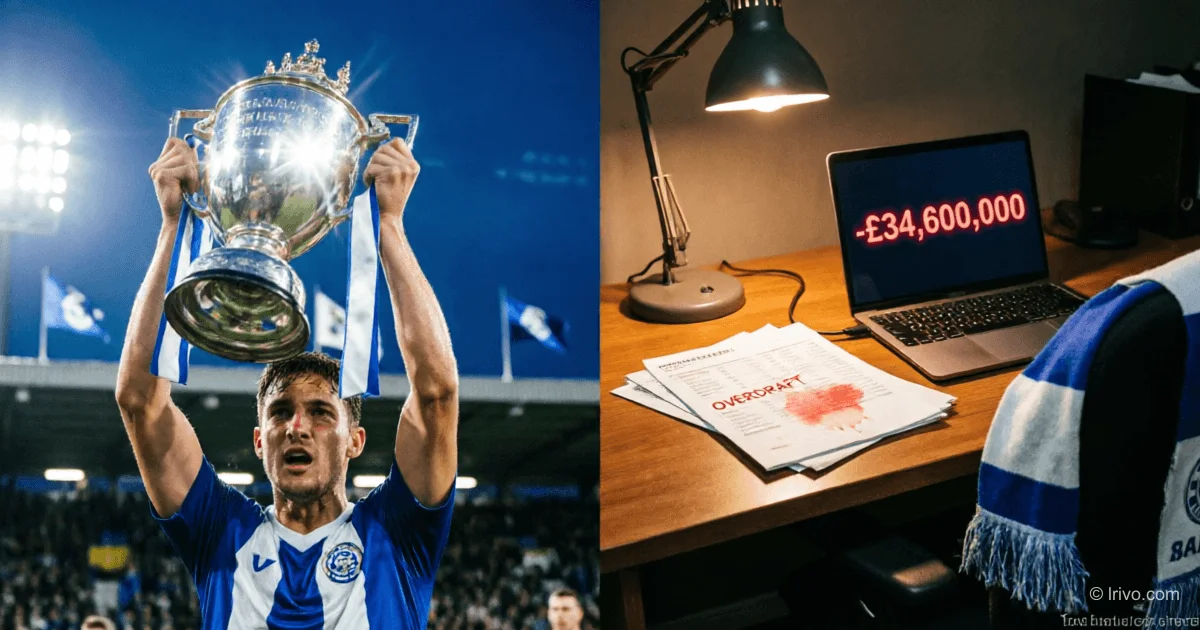
Birmingham City Post £34.6m Loss Despite Record Promotion Season
Birmingham City have officially reported a pre-tax loss of £34.6 million for the 2024–25 financial year—the same season they stormed to promotion from League One with a record-breaking campaign. That’s more than double the £16.1 million deficit from the prior year, highlighting just how expensive success can be in the lower leagues.
Financial Reality Behind the Promotion Push
Even though Birmingham earned promotion back to the Championship at the first attempt, their books tell a different story. Revenue actually grew by nearly £7 million to reach £35.6 million, but that bump wasn’t enough to offset rising costs and reduced broadcast income. Playing in League One meant around £6 million less from TV deals compared to their previous Championship stint.
Wages also climbed—up 9% to £38.9 million—as the club invested heavily in assembling a squad capable of dominating the third tier. A big part of that spending included a League One-record £10 million outlay on Jay Stansfield from Fulham. Other signings followed, all aimed at ensuring immediate promotion.
Where the Money Came From—and Went
The club did generate some notable income through player sales:
- Jordan James moved to Rennes for a fee
- Romelle Donovan joined Brentford
- Sell-on clauses kicked in from Jude Bellingham’s high-profile transfer to Real Madrid
- Additional fees arrived via Jobe Bellingham’s move from Sunderland to Borussia Dortmund
Altogether, those transactions brought in roughly £14 million. But even that windfall couldn’t close the gap created by ambitious wage bills and transfer spending.
Reliance on American Ownership Deepens
Since Knighthood Capital Management (via its subsidiary Shelby Companies Limited) took full control of Birmingham in November 2025—buying the remaining 51.1% stake from previous Chinese owners—the club has leaned entirely on them for operational funding. All day-to-day expenses since July 2024 have been covered directly by Knighthood.
Looking ahead, the board led by chairman Tom Wager has laid out cashflow projections showing they’ll need another £59 million in support between July 2025 and December 2026. Fortunately, Knighthood has confirmed it expects to provide that capital without issue, meaning auditors saw “no material uncertainties” about the club’s ability to keep operating over the next 12 months.
On-Pitch Stability vs. Off-Pitch Pressure
On the field, things are relatively calm. Birmingham sit 16th in the Championship with five games left—12 points above the relegation zone and 13 behind the playoff spots. There’s no real drama in either direction: safe from the drop, but out of serious contention for another promotion push this season.
That mid-table comfort might actually help financially. Avoiding relegation battles means predictable matchday revenue and avoids potential parachute payment chaos. But long-term sustainability still hinges on whether Knighthood is willing to keep bankrolling losses while the club stabilizes in the Championship.
Key Takeaways
- Birmingham City posted a £34.6m pre-tax loss in 2024–25 despite winning promotion from League One.
- Revenue rose slightly, but TV income dropped £6m due to third-tier status, and wages increased to £38.9m.
- Player sales (including Bellingham-related sell-ons) generated £14m but didn’t offset spending.
- The club is fully dependent on owner Knighthood Capital for funding, with £59m more needed by end of 2026.
- On-pitch performance is stable—safe in mid-table—but financial pressure remains high off it.
For fans, the takeaway is bittersweet: the dream of instant promotion came true, but at a steep price. The real test now is whether this American ownership group can build a sustainable model—or if Birmingham will remain in a cycle of heavy investment just to tread water in the Championship.
— Editorial Team