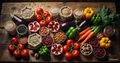
20 Best Foods for Weight Loss, Backed by Science
20 Best Foods for Weight Loss, Backed by Science
The science of weight loss has evolved beyond simple calorie counting, with mounting evidence showing that food quality and processing level significantly impact weight loss success . This list, informed by clinical trials and meta-analyses from leading institutions like Harvard, Mayo Clinic, and the NIH, focuses on foods that offer genuine, research-backed benefits for sustainable weight management.
What You'll Learn
You'll understand the specific mechanisms—from appetite control and thermogenesis to microbiome modulation and satiety—that make these 20 foods effective for weight loss, and you'll walk away with a practical, science-grounded framework for building meals that support your goals.
1. Leafy Greens (Spinach, Kale, Swiss Chard)
Best for: Maximum volume with minimum calories | Price range: $
Pros: Exceptionally low-calorie density (kale: ~8 calories per raw cup) and packed with vitamins, minerals, and antioxidants . High water and fiber content promote satiety without added calories. Harvard experts recommend making vegetables the main part of your meals .
Cons: Some varieties can be costly when out of season; minimal protein content.
2. Cruciferous Vegetables (Broccoli, Cauliflower, Brussels Sprouts)
Best for: Fiber and nutrient density | Price range: $
Pros: Broccoli (31 calories/cup) and cauliflower (27 calories/cup) are rich in fiber and phytochemicals linked to reduced chronic disease risk . Their high volume and fiber content help fill you up, reducing overall calorie intake.
Cons: Can cause gas or bloating in some individuals.
3. Eggs
Best for: Satiety and protein-packed breakfasts | Price range: $
Pros: Replacing a grain-based breakfast with eggs can help you eat fewer calories for the next 36 hours and promote greater weight and body fat loss . A recent study linked daily egg consumption to a 1.2% weight decrease in men over two years . Eggs are a complete protein and highly filling.
Cons: Individuals with specific cholesterol concerns should consult a doctor (though dietary cholesterol's impact is nuanced).
4. Legumes (Lentils, Chickpeas, Beans)
Best for: Plant-based protein and fiber | Price range: $
Pros: Excellent sources of plant-based protein and fiber, which promote satiety and stable blood sugar . A whole plant-foods diet rich in legumes is linked to better weight outcomes and reduced chronic disease risk . Cooked lentils provide ~114 calories and significant protein per 100g . Evidence suggests increasing dietary fiber, including from legumes, is a beneficial weight-loss strategy .
Cons: Can cause digestive discomfort; canned varieties may have added sodium.
5. Fatty Fish (Salmon, Sardines, Mackerel)
Best for: Omega-3s and high-quality protein | Price range: $$-$$$
Pros: Rich in omega-3 fatty acids and protein, which boost satiety and may improve metabolic health. Harvard recommends 4 ounces of broiled wild salmon as part of a balanced, low-calorie meal . Fish is a staple in heart-healthy, weight-management diets like the Mediterranean diet .
Cons: Can be expensive; concerns about mercury in certain large fish.
6. Avocados
Best for: Healthy monounsaturated fats | Price range: $$
Pros: A source of healthy fats, particularly monounsaturated fats, which promote satiety and may support a healthy metabolism. The Mayo Clinic recommends healthy fats like those in avocados as part of a sustainable diet . A whole plant-foods diet includes nuts and seeds (and by extension, avocados) for optimal health outcomes .
Cons: Higher in calories than many vegetables; portion control is key.
7. Nuts and Seeds (Almonds, Walnuts, Chia, Flax)
Best for: Healthy fats and satiety | Price range: $$-$$$
Pros: Despite higher calorie content, nuts like cashews were linked to a 3.4% weight decrease in women . Their fiber, protein, and healthy fat content promotes fullness. Adding nuts/seeds to meals helps create a satisfying, nutrient-dense eating pattern . Studies show greater weight loss when replacing refined carbs with such foods.
Cons: Calorie-dense, so mindful consumption is necessary.
8. Greek Yogurt (Plain, Low-Fat/Non-Fat)
Best for: High-protein dairy | Price range: $$
Pros: An excellent source of protein and probiotics, promoting satiety and gut health. Low-fat Greek yogurt provides ~73 calories per 100g and is a filling breakfast or snack option . The DASH and Mediterranean diets include moderate amounts of dairy . Some probiotics may aid weight loss, though findings vary .
Cons: Choose plain varieties to avoid added sugars; certain probiotics like L. acidophilus have been linked to weight gain, so prioritize diverse strains .
9. Whole Grains (Oats, Quinoa, Brown Rice, Barley)
Best for: Sustained energy and fiber | Price range: $
Pros: Replacing refined grains with whole grains increases nutrient and fiber intake, which aids digestion and satiety . Cooked oatmeal provides ~71 calories per 100g . A hypocaloric diet including such foods is linked to improved inflammatory markers . The POUNDS Lost study indicates eating more fiber and less ultra-processed food is beneficial for weight loss . Minimally processed oats may lead to nearly double the weight loss compared to ultra-processed cereal bars .
Cons: Some are higher in calories; portion control is still important.
10. Apples and Pears
Best for: Fiber-rich fruit snacks | Price range: $
Pros: One study found a 1.2% weight decrease in women linked to daily apple consumption over two years . Their high water and fiber content makes them highly satiating. Harvard emphasizes eating a variety of colorful fruits daily, with fruit as a primary choice for sweets . The Nordic diet, linked to weight loss, includes apples and pears .
Cons: They contain sugar (fructose), so balance is important, though the fiber mitigates blood sugar spikes.
11. Berries (Strawberries, Blueberries, Blackberries)
Best for: Antioxidants and low sugar impact | Price range: $$
Pros: Low in calories (strawberries: ~25 calories per 1/2 cup) and packed with antioxidants . They satisfy sweet cravings without excessive sugar. The MIND diet, for brain health and weight management, emphasizes berries .
Cons: Can be expensive, especially out of season; frozen options are often more affordable and just as nutritious.
12. Grapefruit
Best for: Appetite control | Price range: $
Pros: Low-calorie at ~43 calories per half and high in vitamin C and fiber . Some studies suggest compounds in grapefruit may aid weight loss, but it's most effective as part of a balanced diet due to its low-energy density.
Cons: Can interact with certain medications.
13. Poultry (Chicken, Turkey Breast)
Best for: Lean protein | Price range: $$-$$$
Pros: Excellent source of lean protein for building and maintaining muscle, which supports a healthy metabolism . Roasted turkey breast has ~147 calories per 100g. The DASH diet includes poultry and fish . A Hungarian study found successful weight loss linked to poultry consumption .
Cons: Choose skinless options to keep saturated fat low.
14. Lean Pork (Tenderloin)
Best for: Lean protein alternative | Price range: $$-$$$
Pros: Lean cuts like pork tenderloin provide ~143 calories per 100g and are rich in protein and B vitamins . It offers variety in a lean-protein diet plan.
Cons: Must be trimmed of visible fat; can be higher in sodium if processed.
15. Cottage Cheese (Low-Fat)
Best for: Low-calorie, high-protein dairy | Price range: $$
Pros: High protein, low calories (~80 calories per 1/2 cup) . Casein protein digests slowly, promoting fullness, making it an ideal evening snack to prevent late-night eating.
Cons: Some find the texture off-putting; check for added sodium.
16. Tofu and Tempeh
Best for: Plant-based protein | Price range: $
Pros: Excellent plant-based protein sources. A whole plant-foods diet, which includes soy products, is associated with better health outcomes and lower adiposity . They are versatile and absorb flavors well.
Cons: Some concerns about soy and hormones, though research supports its safety and benefits.
17. Green Tea
Best for: Metabolism support | Price range: $
Pros: Contains caffeine and catechins, which may work synergistically to boost metabolism and enhance fat burning . It's a zero-calorie beverage that can replace high-calorie drinks. Substituting beverages like fruit juice with lower-calorie options can aid weight loss, though evidence certainty varies . The Mayo Clinic suggests incorporating green tea .
Cons: Contains caffeine (less than coffee); effects may be modest.
18. Coffee (Black)
Best for: Metabolism and appetite control | Price range: $
Pros: Caffeine can boost metabolism by 3–11% and increase fat burning . It's a virtually zero-calorie drink that can suppress appetite. Ensure it's consumed black or with minimal additions. The Mayo Clinic diet recommends black coffee .
Cons: Adding sugar, cream, or milk adds significant calories; can cause anxiety or sleep issues in sensitive individuals.
19. Chilies and Spices (Capsaicin)
Best for: Boosting metabolism | Price range: $
Pros: Capsaicin, found in chili peppers, can slightly increase metabolism and reduce appetite . Adding spices to meals makes healthy eating more palatable and enjoyable.
Cons: Effects may diminish with regular use; not a standalone solution.
20. Water
Best for: Hydration and calorie control | Price range: $
Pros: Drinking water, especially before meals, can boost metabolism by 24–30% and help dieters eat fewer calories, leading to 44% more weight loss in one study . It is the most effective zero-calorie "food." The Harvard Healthy Eating Plate recommends water as the primary beverage . A network meta-analysis found low/no-calorie sweetened beverages (LNCSB) led to small weight loss compared to sugary drinks, though evidence quality was low . Replacing caloric beverages with water is a key strategy.
Cons: None for most people.
Comparison Summary Table
| Food | Best For | Price Range | Verdict |
|---|---|---|---|
| Leafy Greens | Volume eating | $ | Top-tier choice; eat unlimited amounts. |
| Cruciferous Veggies | Fiber & nutrients | $ | Essential addition to any meal. |
| Eggs | Satiety & protein | $ | Excellent breakfast choice. |
| Legumes | Plant-based protein | $ | High satiety, budget-friendly staple. |
| Fatty Fish | Omega-3s & protein | $$-$$$ | Regular consumption for heart health. |
| Avocados | Healthy fats | $$ | Enjoy in moderation. |
| Nuts & Seeds | Healthy fats & satiety | $$-$$$ | Small portions for healthy weight loss. |
| Greek Yogurt | Dairy protein | $$ | Choose plain, unsweetened. |
| Whole Grains | Energy & fiber | $ | Replace refined grains. |
| Apples & Pears | Fruit fiber | $ | A perfect snack or dessert. |
| Berries | Antioxidants | $$ | Great for satisfying sweet cravings. |
| Poultry | Lean protein | $$-$$$ | A lean protein staple. |
| Cottage Cheese | Casein protein | $$ | Excellent pre-bedtime snack. |
| Tofu/Tempeh | Plant-based protein | $ | Versatile meat alternative. |
| Green Tea | Metabolism boost | $ | Good for replacing sugary drinks. |
| Coffee (Black) | Metabolism boost | $ | Effective appetite suppressant. |
| Chilies/Spices | Flavor + metabolism | $ | Adds variety and benefits. |
| Water | Hydration/calorie control | $ | The most critical "food." |
How We Chose
This list draws from a comprehensive review of peer-reviewed research and clinical guidance from leading medical institutions (PubMed, Mayo Clinic, Harvard Health) . Key selection criteria included: evidence of promoting satiety, supporting metabolic health, and aiding weight loss within healthy dietary patterns, as seen in studies comparing minimally vs. ultra-processed foods and ad libitum plant-based diets . Findings were prioritized based on clinical trial strength and consistency.
Bottom Line
Science shows the best foods for weight loss are minimally processed, nutrient-dense choices like leafy greens, eggs, fatty fish, legumes, and whole grains. By focusing on these foods—which provide high satiety, stable energy, and essential nutrients—you create a sustainable eating pattern, not a temporary diet. From the satiating power of eggs to the metabolic boost of green tea, incorporating these 20 foods can make your weight loss journey healthier and more manageable.
— Editorial Team