Plant-Based Diet for Beginners: A Step-by-Step Guide
Plant-Based Diet for Beginners: A Step-by-Step Guide
Adopting a plant-based diet for beginners often feels like a monumental shift, especially when meat has been a cornerstone of your meals. However, transitioning is less about strict rules and more about gradually shifting your plate's focus to the vast and flavorful world of plants. This guide breaks down the steps, from defining what a plant-based diet truly is to creating a balanced eating pattern, ensuring you feel confident and well-nourished on your journey.
What You'll Learn
By the end of this guide, you'll understand exactly what a plant-based diet entails, its significant health benefits, and the practical steps to get started. You'll walk away with a clear, week-by-week plan to transition smoothly, master a simple plate-based framework for balanced meals, and know exactly which nutrients to prioritize for long-term success.
Step 1: Define Your Starting Point – The Plant-Based Spectrum
A "plant-based" diet is not a single, rigid set of rules. It's a spectrum of eating patterns where plant foods are the star of the show, with animal products either minimized or eliminated . Understanding this spectrum is the first step in your plant-based diet for beginners journey.
- Flexitarian: This is the most approachable entry point. You eat a predominantly plant-based diet but still enjoy meat, poultry, fish, and dairy in moderation . This style allows for flexibility, making it easier to sustain long-term.
- Pescatarian: You exclude meat and poultry but include fish and seafood. Dairy and eggs may or may not be included .
- Lacto-Ovo Vegetarian: You exclude meat, poultry, and fish but include dairy products and eggs .
- Vegan: This is the strictest form, excluding all animal products, including meat, poultry, fish, dairy, eggs, and often honey .
The most important takeaway for a beginner is that your choice is personal and can evolve. Starting with a flexitarian or "Meatless Monday" approach can significantly improve your health and is often more sustainable than diving into a strict vegan diet immediately .
Step 2: Understand the Health Benefits (The "Why")
Research increasingly supports the shift towards plant-centric eating, offering powerful motivation for change.
Heart Health and Chronic Disease: A large-scale study involving over 400,000 people found that higher adherence to a plant-based diet was associated with a 32% lower risk of multimorbidity (the presence of two or more chronic diseases like cancer and heart disease) . Furthermore, a comprehensive meta-analysis of 456,783 adults linked plant-based diets to lower odds of hypertension, with protective signals also observed for type 2 diabetes and dyslipidemia .
Brain Health: While more research is needed, components abundant in plant foods, such as polyphenols and dietary fiber, are showing promise in protecting cognitive function. Fiber, in particular, is crucial for a healthy gut, which is intimately connected to brain health via the gut-brain axis .
Environmental and Economic Benefits: Plant-based eating is often more affordable, as plant proteins like beans and lentils are generally less expensive than meat . Additionally, producing plant-based foods typically uses fewer resources and generates lower carbon emissions, making it a more sustainable choice for the planet .
Step 3: Master the Plate Method – What to Eat
Forget complex calculations. The simplest way to build a balanced, healthy plant-based meal is to use your plate as a visual guide .
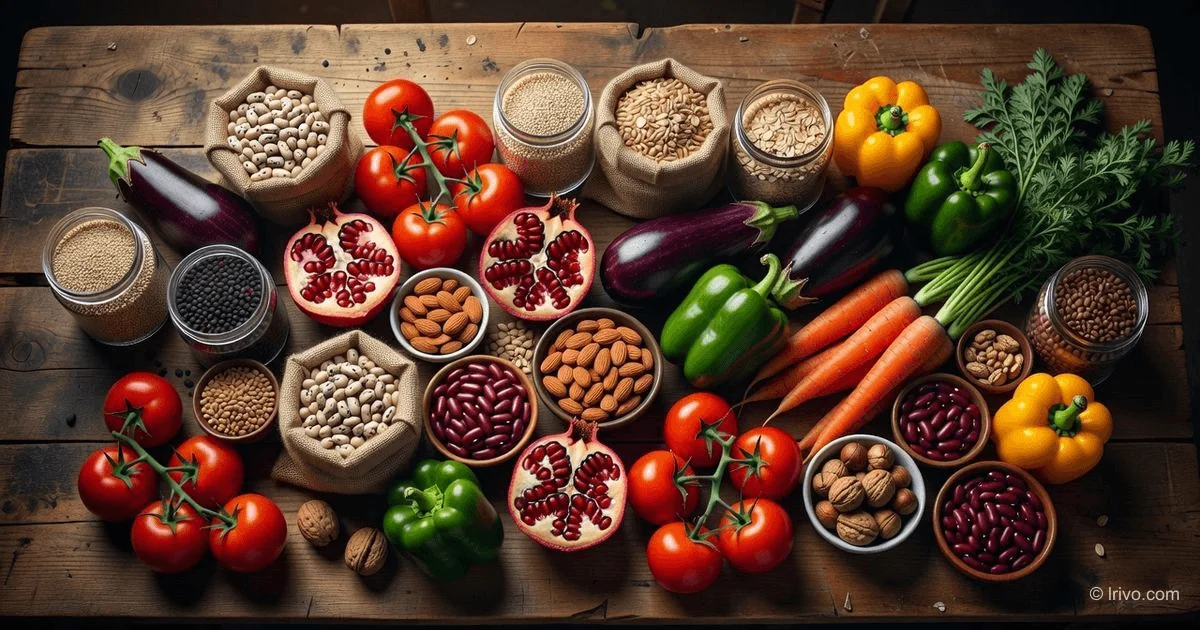
- Fill Half Your Plate with Vegetables and Fruits: This is the foundation of your meal. Aim for a rainbow of colors to get a wide array of vitamins, minerals, and antioxidants . Include leafy greens like kale and spinach, cruciferous vegetables like broccoli, and a variety of colorful produce.
- Fill a Quarter of Your Plate with Whole Grains: These are your primary energy source. Choose fiber-rich options like brown rice, quinoa, barley, and oats. Whole grains are packed with protein, essential minerals, and phytochemicals, and help keep you feeling full and satisfied .
- Fill a Quarter of Your Plate with Plant-Based Proteins: This is a common concern for beginners, but meeting your protein needs is entirely achievable. Great sources include:
- Legumes: Beans, lentils, chickpeas, and peas .
- Soy Foods: Tofu, tempeh, and edamame. Tofu is a versatile, complete protein that can be used in many dishes .
- Nuts and Seeds: Almonds, walnuts, sunflower seeds, and hemp seeds are excellent sources of protein and healthy fats .
- Include Healthy Plant Fats: Don't shy away from fats; just choose the right ones. Incorporate avocados, olive oil, and nuts for their heart-healthy monounsaturated and polyunsaturated fats .
Step 4: A Step-by-Step Transition Plan
Making a sudden, drastic change is a recipe for burnout. Instead, adopt a gradual approach. This is key to a successful plant-based diet for beginners.
- Start with One Meal a Day: Begin by making your lunch or breakfast plant-based. For example, try a bowl of oatmeal with berries and nuts or a hearty lentil soup for lunch.
- Implement "Meatless Mondays": This is a manageable and highly effective strategy. Research shows it makes people 15 times more likely to reduce meat consumption on other days of the week .
- Add, Don't Just Subtract: Instead of dwelling on what you're removing, focus on adding more plants. Double your vegetable portion, add a handful of spinach to your pasta sauce, or snack on an apple instead of chips .
- Experiment with New Recipes: This makes the journey fun and prevents boredom. Look for recipes that use beans, lentils, or tofu. You might discover new favorite dishes, from black bean burgers to tofu scrambles .
- Plan Your Grocery List: Stick to it to avoid impulse buys of non-plant-based items. Stock your pantry with staples like whole grains, canned beans, lentils, nuts, seeds, and spices .
Step 5: Focus on Key Nutrients
A well-planned plant-based diet can provide all the nutrients you need. However, there are a few key nutrients that require extra attention to ensure you don't develop deficiencies .
- Vitamin B12: This is arguably the most critical nutrient to monitor, as it is not naturally found in plant foods . It's essential for nerve function and red blood cell formation. You can get it from fortified foods like plant-based milks, breakfast cereals, and nutritional yeast. If you're vegan, a B12 supplement is strongly recommended. Consult with a doctor for the right dosage .
- Iron: The iron in plants (non-heme iron) is not absorbed as efficiently as the iron from meat . Boost your absorption by pairing iron-rich foods like beans, lentils, and dark leafy greens with vitamin C. For example, add a squeeze of lemon juice to your lentil soup or eat an orange alongside a spinach salad .
- Omega-3 Fatty Acids: While plant sources like flaxseeds, chia seeds, and walnuts provide ALA (a type of omega-3), the body's conversion to the more active forms (EPA and DHA) is inefficient . To ensure adequate intake of EPA and DHA, consider a supplement derived from marine algae oil .
- Calcium: Good plant sources include calcium-fortified plant milks and yogurts, calcium-set tofu, and certain leafy greens like broccoli and kale . Note that spinach contains calcium but also oxalates, which inhibit absorption .
- Vitamin D: This is a concern for everyone, not just those on plant-based diets. Fortified foods provide some, but a supplement is often recommended to maintain healthy levels .
Step 6: Watch Out for Processed Foods
A common pitfall is assuming all plant-based foods are healthy. A diet of highly processed vegan "junk food" – like fries, sugary cereals, and some meat substitutes – can be high in sodium, saturated fat, and added sugars, which are linked to negative health outcomes . Focus on whole, minimally processed foods as the core of your diet. When using meat substitutes or convenience items, always check the Nutrition Facts label to compare products and choose those lower in sodium and saturated fat .
Sources
- Harvard Health Publishing. "Planning a plant-based diet." (2024).
- ScienceDirect. "Recent evidence on plant-based diets and risk of chronic noncommunicable diseases in adults: A systematic review and meta-analysis." (2026).
- Safefood. "Essential nutrients for plant-based diets." (2026).
- HealthLink BC. "Plant-based eating guidelines." (2025).
- National Jewish Health. "A Beginner's Guide to a Plant-Based Diet." (2024).
- International Agency for Research on Cancer (IARC). "Plant-based dietary patterns and age-specific risk of multimorbidity of cancer and cardiometabolic diseases: a prospective analysis." (2025).
- MyNetDiary. "Starting a vegan diet? Follow these steps to get maximum benefits." (2023).
- FemTech World. "How to Start a Plant-Based Diet: 6 Dietitian-Approved Tips." (2025).
- ScienceDirect. "From plate to brain: benefits, deficiencies, and research needs of plant-based diets." (2025).
- Lamberts Healthcare. "Plant-Based Diets: Nutrition, Deficiencies & Supplements." (2026).
- Harvard T.H. Chan School of Public Health. "Faculty offer Planetary Health Diet advice." (2024).
- health enews. "How to get started on a plant-based diet." (2025).
— Editorial Team