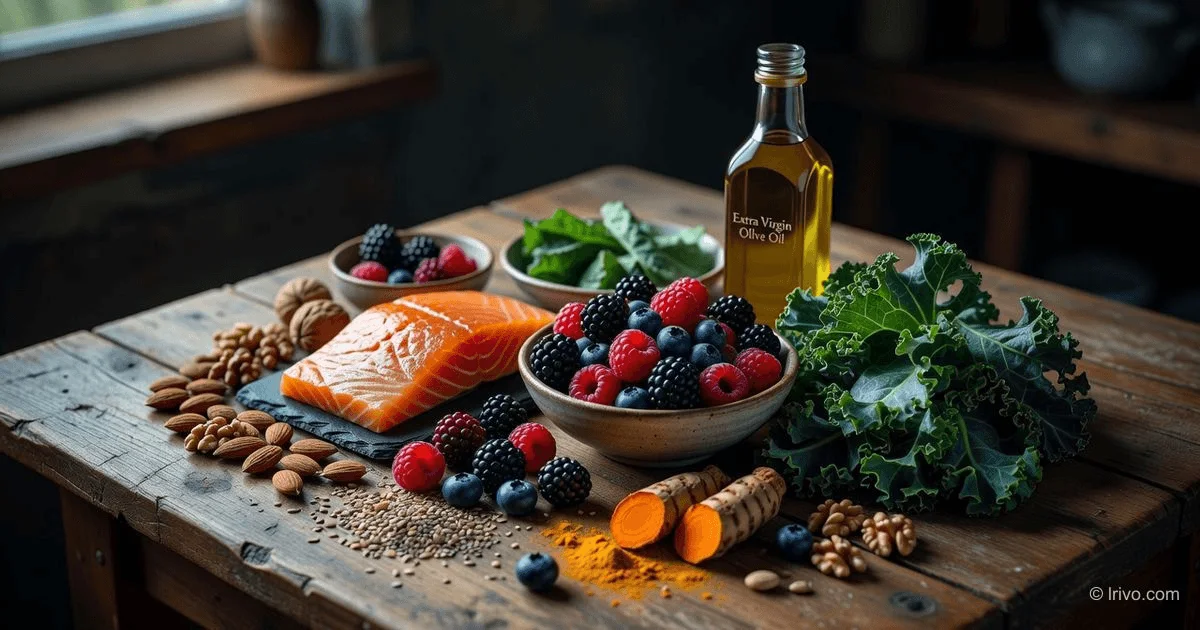
Anti-Inflammatory Foods List: 30 Top Choices
Anti-Inflammatory Foods List: 30 Top Choices
Chronic, low-grade inflammation is a silent contributor to many of the most challenging diseases of our time, including heart disease, type 2 diabetes, certain cancers, and dementia . While inflammation is a natural immune response, a diet high in processed foods, refined sugars, and unhealthy fats can cause it to persist, damaging tissues over time . The good news is that you can actively manage this process through your diet. This comprehensive anti-inflammatory foods list, grounded in research from leading health institutions, highlights 30 powerful choices that can help calm inflammation and support long-term health. Unlike a restrictive diet, it is about embracing a variety of delicious, nutrient-dense whole foods .
What You'll Learn
By the end of this article, you'll understand the core principles of an anti-inflammatory diet, from omega-3-rich fish to vibrant berries and leafy greens. You'll be able to identify the 30 best foods to fight inflammation and know exactly how to incorporate them into your meals, with a practical grocery list and meal ideas to get you started. You'll discover that the most powerful anti-inflammatory "medicine" is already available in your local grocery store.
The Best Anti-Inflammatory Foods
Research consistently points to the same simple dietary pattern for reducing inflammation: more whole, minimally processed plant foods and healthy fats, and less red meat, refined grains, and sugary items . According to a 2018 study, increased vegetable intake is positively correlated with the mitigation of age-related systemic inflammation . The following foods are the cornerstone of this approach.
1. Salmon — Best for: Omega-3 intake | Price range: $$$
Pros: One of the most potent sources of long-chain omega-3 fatty acids (EPA and DHA), which are directly linked to lowering inflammation and reducing the risk of heart disease .
Cons: Can be expensive; concerns about sustainability and mercury content (choose wild-caught when possible).
2. Sardines — Best for: Budget omega-3s | Price range: $
Pros: An excellent, affordable source of omega-3s and vitamin D. They are also low on the food chain, meaning they are more sustainable and have lower mercury levels .
Cons: The taste and texture may not appeal to everyone.
3. Mackerel — Best for: High omega-3 content | Price range: $$
Pros: Particularly rich in omega-3 fatty acids, making it a powerful anti-inflammatory choice .
Cons: Like salmon, can be pricier and has sustainability considerations.
4. Herring — Best for: A traditional omega-3 source | Price range: $
Pros: A common and affordable fatty fish, also packed with omega-3s. Often available pickled or smoked .
Cons: Pickled versions can be high in sodium.
5. Anchovies — Best for: Flavorful omega-3 boost | Price range: $
Pros: Small but mighty, providing a concentrated dose of omega-3s. They are a great way to add a savory, anti-inflammatory punch to sauces and dressings .
Cons: Their strong, salty flavor can be an acquired taste.
6. Extra Virgin Olive Oil — Best for: Healthy fats | Price range: $$
Pros: A cornerstone of the Mediterranean diet, it contains oleocanthal, an antioxidant with powerful anti-inflammatory properties similar to ibuprofen .
Cons: Quality and price vary widely; should be used for moderate-heat cooking or raw to preserve its benefits.
7. Walnuts — Best for: Plant-based omega-3s | Price range: $$
Pros: Excellent source of alpha-linolenic acid (ALA), a plant-based omega-3. They are also rich in antioxidants and have been linked to lower inflammatory markers .
Cons: High in calories, so portion control is important.
8. Almonds — Best for: Vitamin E and healthy fats | Price range: $$
Pros: Packed with vitamin E, a powerful antioxidant that helps fight oxidative stress. They are also a great source of fiber and monounsaturated fats .
Cons: Like walnuts, they are calorie-dense and can be expensive.
9. Flaxseeds — Best for: Fiber and lignans | Price range: $
Pros: A rich source of ALA and lignans, which are plant compounds with antioxidant properties. The high fiber content also supports gut health .
Cons: Must be ground to be digestible and release their nutrients.
10. Chia Seeds — Best for: ALA and fiber | Price range: $
Pros: Similar to flaxseeds, they are an excellent source of ALA, fiber, and other nutrients that help reduce inflammation .
Cons: Can be expensive; they absorb liquid and create a gel-like texture, which some may find unappealing.
11. Blueberries — Best for: Antioxidants | Price range: $$
Pros: Regularly ranked as one of the top foods for overall health, their high content of polyphenols (especially anthocyanins) has been shown to improve cell health and reduce inflammation .
Cons: Can be pricey, especially out of season; frozen berries are a great, cost-effective alternative.
12. Strawberries — Best for: Vitamin C | Price range: $$
Pros: Rich in vitamin C and antioxidants that help neutralize free radicals, which are a trigger for inflammation .
Cons: Seasonal; can be expensive and perishable.
13. Oranges — Best for: Vitamin C and flavonoids | Price range: $
Pros: An excellent source of vitamin C and flavonoids, both of which help counter oxidative stress and inflammation in the body .
Cons: High in natural sugars; should be eaten whole rather than as juice for the added fiber.
14. Grapes — Best for: Resveratrol | Price range: $$
Pros: Contain resveratrol and other polyphenols that have been investigated for their heart and metabolic benefits, helping to reduce inflammatory markers .
Cons: Can be high in sugar; portion control is key.
15. Pomegranate — Best for: Unique antioxidants | Price range: $$
Pros: Packed with unique and potent antioxidants like anthocyanins and resveratrol, which have powerful anti-inflammatory effects .
Cons: Can be messy to eat; juice can be high in sugar.
16. Spinach — Best for: Versatile leafy greens | Price range: $
Pros: Exceptionally rich in folate, Vitamin K, Vitamin C, and carotenoids, all of which help reduce inflammatory pathways in the body .
Cons: Can wilt quickly; should be used within a few days of purchase.
17. Kale — Best for: Nutrient density | Price range: $$
Pros: A superfood, packed with vitamins A, C, and K, as well as powerful antioxidants. It is a staple for an anti-inflammatory diet .
Cons: Can be tough and bitter; massaging or cooking helps.
18. Swiss Chard — Best for: Variety and minerals | Price range: $$
Pros: A colorful, nutrient-dense green rich in minerals and vitamins. It contributes to the diversity of anti-inflammatory compounds in your diet .
Cons: Can have a slightly earthy flavor that some find off-putting.
19. Broccoli — Best for: Cruciferous vegetables | Price range: $
Pros: Contains glucosinolates, which the body converts into anti-inflammatory compounds. It is also a great source of fiber and vitamins .
Cons: Can cause gas and bloating in some people.
20. Brussels Sprouts — Best for: Glucosinolates | Price range: $$
Pros: Another excellent cruciferous vegetable packed with glucosinolates and fiber, providing a powerful anti-inflammatory and gut-healthy punch .
Cons: Often disliked due to their bitter taste if not cooked properly; roasting brings out their sweetness.
21. Lentils — Best for: Plant-based protein and fiber | Price range: $
Pros: A fantastic source of plant-based protein and fiber. Higher fiber intake has been associated with lower levels of inflammatory markers like C-reactive protein .
Cons: Can cause gas and bloating; proper preparation and rinsing can help.
22. Chickpeas — Best for: Heart health | Price range: $
Pros: Rich in plant-based protein, fiber, and antioxidants. They are linked to better weight control, heart health, and blood sugar regulation .
Cons: Canned versions can be high in sodium; rinsing helps.
23. Oats — Best for: Soluble fiber | Price range: $
Pros: A whole grain high in soluble fiber, which supports a healthy gut microbiome and may lower inflammatory markers .
Cons: Look for plain, unflavored oats to avoid added sugars.
24. Quinoa — Best for: Gluten-free whole grain | Price range: $$
Pros: A complete protein and a good source of fiber, making it a perfect base for an anti-inflammatory meal .
Cons: Can be more expensive than other whole grains; must be rinsed before cooking to remove bitter saponins.
25. Brown Rice — Best for: Affordable whole grain | Price range: $
Pros: A readily available whole grain that provides fiber and key nutrients that can help reduce inflammation .
Cons: Contains arsenic; it is generally recommended to vary your grain intake.
26. Avocados — Best for: Monounsaturated fats | Price range: $$
Pros: Rich in heart-healthy monounsaturated fats and potassium. They help regulate inflammation, protect your heart, and support brain health .
Cons: High in calories and can be expensive.
27. Turmeric — Best for: Powerful spice | Price range: $
Pros: Contains curcumin, a compound with potent anti-inflammatory properties. Consuming it with black pepper and healthy fats enhances its absorption .
Cons: Used alone, the body absorbs curcumin very poorly.
28. Garlic — Best for: Flavor and benefits | Price range: $
Pros: Contains sulfur-containing compounds that can help modulate the body's inflammatory response. It is a versatile and flavorful addition to many dishes .
Cons: Can cause heartburn or digestive upset in some people.
29. Ginger — Best for: Digestive health | Price range: $
Pros: A powerful root with anti-inflammatory properties that may also help with nausea and pain. It can be used fresh, dried, or as a tea .
Cons: Can interact with blood-thinning medications.
30. Green Tea — Best for: Polyphenols and L-theanine | Price range: $
Pros: High in polyphenol antioxidants that protect cells from damage and is associated with reduced inflammatory markers. It also contains L-theanine, which improves cognitive function .
Cons: Contains caffeine, which can be an issue for some people.
Comparison Summary Table
| Option | Best For | Price Range | Verdict |
|---|---|---|---|
| Salmon | Omega-3 intake | $$$ | A top-tier anti-inflammatory choice for its potent omega-3 content. |
| Extra Virgin Olive Oil | Healthy fats | $$ | A staple, versatile, and scientifically-backed anti-inflammatory fat. |
| Blueberries | Antioxidants | $$ | A powerful, easy-to-add food that is packed with inflammation-fighting polyphenols. |
| Spinach/Kale | Leafy Greens | $ | Essential daily greens, rich in vitamins and antioxidants. |
| Lentils | Plant-based protein | $ | A budget-friendly powerhouse of fiber and protein that supports gut health. |
How We Chose
This list was curated by synthesizing evidence from dozens of sources, prioritizing major academic and medical institutions like Harvard Health, Mayo Clinic, and the National Institutes of Health (NIH) . The selection criteria were based on foods that are consistently highlighted for their specific anti-inflammatory mechanisms, such as being rich in omega-3 fatty acids, antioxidants (like polyphenols), fiber, and healthy fats, and are linked to lower levels of inflammatory markers like C-reactive protein in clinical studies. We also considered their versatility and ease of inclusion in a daily diet.
Bottom Line
An anti-inflammatory diet is not about strict rules but about making conscious choices. If you are looking for a place to start, build your meals around a foundation of leafy greens and colorful vegetables. Swap butter and processed oils for extra virgin olive oil. Aim to incorporate fatty fish like salmon or sardines into your weekly menu, and snack on a handful of nuts or a bowl of berries. By gradually incorporating the foods on this list while limiting processed items, sugary drinks, and excessive red meat, you will be taking a significant step toward reducing chronic inflammation and improving your overall health .
— Editorial Team