Healthy Eating on a Budget: 15 Smart Strategies
Healthy Eating on a Budget: 15 Smart Strategies
For many people, the perceived high cost of nutritious food is the single biggest barrier to a healthier diet. However, leading medical institutions agree that this is a myth—it is entirely possible to eat well without spending a fortune . The key lies not in buying expensive "superfoods" or specialty items, but in shifting your strategy from convenience and impulse to planning and smart substitution. You can gain control over your grocery bill while nourishing your body with the fuel it needs to thrive.
What You'll Learn
You'll master a comprehensive system for affordable nutrition, learning how to eat healthy on a budget through strategic planning, smart shopping, and creative cooking. By the end, you'll understand how small, consistent changes can lead to significant savings and better health. The single most important takeaway is that a successful budget-friendly diet depends on strategy and planning, not deprivation.
1. Master the Art of Meal Planning
The foundation of any budget-friendly, healthy diet is a solid plan. Without one, you are far more likely to make impulse purchases and rely on expensive, less nutritious convenience foods.
Start by taking just 30 minutes each week to map out your meals . Choose a few dinners you will actually cook, along with simple, repeatable breakfasts and snacks. This simple routine helps you curb impulse buys, encourages you to use ingredients you already have, and makes it easier to serve up balanced meals . It is the single most effective strategy recommended by dietitians to learn how to eat healthy on a budget .
2. Create a Strategic Shopping List
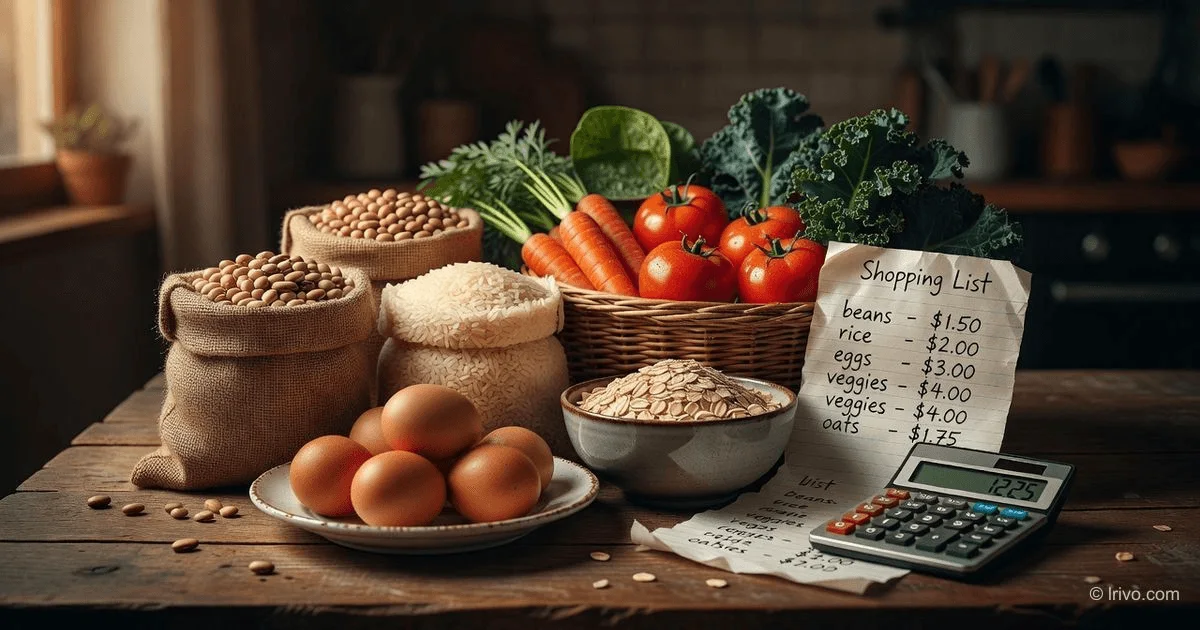
A meal plan is only as good as the list it generates. Before you head to the store, create a detailed shopping list based on your weekly menu . Be sure to "shop your kitchen" first—check your pantry, fridge, and freezer to avoid buying duplicates of items you already have . Food waste is a hidden expense, so building meals around what you already own is a powerful money-saving tactic .
When making your list, review your grocer's weekly sales flyers and look for digital coupons you can clip. This allows you to plan meals around what's on sale, maximizing your savings .
3. Embrace Affordable, Nutrient-Dense Staples
Building your meals around a few key inexpensive ingredients is the most effective way to eat healthily without breaking the bank. These "powerhouse" foods are packed with nutrients and are versatile enough to be used in countless dishes.
| Food Category | Affordable Examples | Why They're Great |
|---|---|---|
| Plant-Based Proteins | Lentils, beans (black, kidney, chickpeas) | High in protein and fiber; cost a fraction of meat . |
| Canned Fish | Tuna, salmon, sardines | Excellent source of protein and heart-healthy omega-3s; cheaper than fresh . |
| Whole Grains | Oats, brown rice | High in fiber, filling, and cheap, especially when bought in bulk . |
| Root Vegetables | Potatoes, sweet potatoes, carrots | Affordable, shelf-stable, and packed with vitamins and minerals . |
4. Use Frozen and Canned Produce
Frozen fruits and vegetables are one of the best-kept secrets of affordable nutrition. They are often picked and frozen at peak ripeness, meaning they can be just as nutritious—if not more so—than fresh produce, but at a fraction of the cost . They also have a much longer shelf life, dramatically reducing food waste .
Canned options are also a great choice. Look for options packed in water or juice without added sugar or salt . Rinsing canned beans and vegetables before cooking can help lower their sodium content .
5. Shop Seasonally
When produce is in season, it is more plentiful and, therefore, cheaper . Corn is a bargain in summer, while apples are a much better buy in the fall and winter . Shopping at a local farmer's market can also be a great way to find inexpensive, seasonal produce .
6. Buy in Bulk (When It Makes Sense)
For pantry staples with a long shelf life—such as oats, rice, beans, lentils, and whole-grain pasta—buying in bulk can significantly reduce your costs . You are often paying less per unit when you buy larger quantities . If you have freezer space, you can also apply this strategy to meat and fish when they are on sale, portioning them out for later use .
7. Go Meatless (Part of the Time)
Meat is often the most expensive item on a grocery list. You don't have to become a vegetarian, but introducing just a few meatless meals into your weekly rotation can save a lot of money . Foods like beans, lentils, eggs, and tofu cost significantly less than fresh meat while still providing plenty of protein, fiber, and other key nutrients . Try swapping meat for lentils in a taco base, or adding chickpeas to a salad . This is a cornerstone strategy for how to eat healthy on a budget.
8. Don't Shop Hungry
It’s an old adage, but it's true: you should never go grocery shopping hungry . Eating a balanced meal or snack before you shop will give you the energy to compare prices and nutrition labels, helping you stick to your list and avoid impulse purchases of unhealthy junk food .
9. Choose Store Brands
Many people are biased against store brands, but they are often 25 to 30 percent less expensive than name-brand products, and the nutritional value is the same . In many cases, the taste and quality are nearly identical. Choosing store brands is a simple, no-compromise way to save money.
10. Skip Pre-Cut Convenience Items
Convenience comes at a cost. Pre-cut fruits and vegetables can be two to four times more expensive than buying whole . Similarly, pre-packaged meals, snacks, and individual portions often cost more and provide less nutrition . The small effort of washing and slicing your own produce at home will yield significant savings.
11. Batch Cook and Repurpose Leftovers
Batch cooking is the ultimate time and money saver. By cooking large volumes of food at once, you can save time, take advantage of bulk purchases, and ensure you always have a healthy meal on hand . This strategy is excellent for how to eat healthy on a budget without spending hours in the kitchen every day.
Repurposing leftovers is just as important. Instead of eating the same meal repeatedly, turn baked chicken into a hearty soup or a salad topping . Cooked rice can become the base for a grain bowl or a quick skillet dish . This creative approach reduces food waste and keeps your meals interesting.
12. Check Your Freezer for Food Scraps
The freezer can be your best ally in cutting costs and waste. Freeze vegetable scraps like onion peels and carrot tops to make homemade vegetable broth . Freeze fruit that's about to go bad for smoothies . Leftover herbs can be frozen in oil or water in ice cube trays for future use. These small acts can save money and add flavor to your meals.
13. Be Strategic About Organics
Organic food can cost significantly more. While there are environmental and health benefits to organic produce, if you're on a strict budget, it is perfectly fine to prioritize conventional items . If you want to be selective, consider using the Environmental Working Group's "Dirty Dozen" list to identify which fruits and vegetables are most important to buy organic . However, the most important thing is to consume lots of fruits and vegetables, period .
14. Cook at Home
This cannot be overstated. People who cook meals at home eat healthier and consume fewer calories than those who cook less often . Restaurant meals and takeout are more expensive and often contain hidden fats, sodium, and sugar. Cooking from scratch gives you complete control over your ingredients and is one of the fundamental ways to learn how to eat healthy on a budget .
15. Become a Savvy Shopper
Combine all the above with smart shopping habits to maximize your savings:
- Compare labels: Compare the price per ounce or unit, not just the total price, to find the best deal. Also, compare nutrition labels to choose the healthier option at a similar price, such as choosing skim milk over whole milk .
- Use coupons and loyalty programs: Sign up for store loyalty programs and use digital coupons to get additional discounts .
- Look down: Often, the priciest items are shelved at eye level, while cheaper store brands are placed lower .
Sources
- Johns Hopkins Medicine. (2025). Heart-Healthy Eating on a Budget.
- Real Simple. (2025). Trying to Eat Healthy on a Budget? These 11 Dietitian-Backed Tricks Actually Work.
- Cedars-Sinai. (2024). Eight Budget-Friendly Superfoods.
- American Heart Association. (2025). Eat Healthy on a Budget: Plan Ahead.
- AZ Big Media. (2025). Healthy eating on a budget: Tips for affordable and nutritious meals.
- British Heart Foundation. (2025). Eating healthily on a tight budget.
- Everyday Health. (2025). Struggle Meals on a Budget: How to Eat Well for Less.
- BBC Good Food. (2025). 10 healthy foods that are also cheap.
- Consumer Council. (2025). Eating well on a budget.
- MDLinx. (2025). The 7 cheapest and most nutritious foods to recommend to patients on a budget.
- Lose It! (2025). A Budget-Friendly Diet Plan.
- My Food Bag. (2025). Nutrition On A Budget.
— Editorial Team