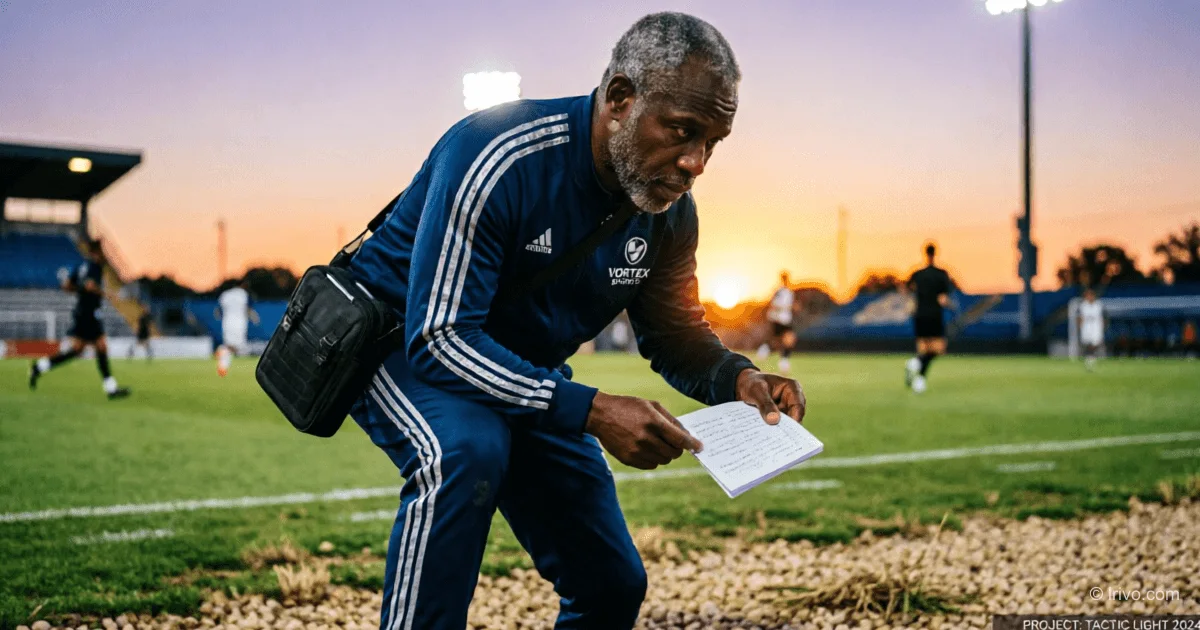
Aliou Cissé Leaves Libya to Take Over Angola Ahead of AFCON 2027 Qualifiers
Aliou Cissé has officially switched national teams, departing Libya after just over a year to become the new head coach of Angola. The move comes amid unresolved payment issues with the Libyan Football Federation and marks a fresh challenge for the Senegalese tactician as he aims to revive Angola’s faltering international campaign.
Sudden Exit from Libya
Cissé’s time with Libya ended abruptly despite having a contract that ran through 2027. Appointed in March 2025, he managed eight official matches, recording three wins, four draws, and only one loss. His tenure opened with a promising 1–0 victory over Angola—the very team he now leads.
However, persistent salary delays plagued his stint. Although partial payments were eventually made, the financial instability appears to have contributed to his decision to leave. Cissé confirmed the split via a heartfelt Instagram post, thanking Libyan fans and players but offering no detailed explanation.
Immediate Shift to Angola
Within days of his Libya exit, the Angolan Football Federation announced Cissé as their new manager. His mandate is clear: secure qualification for the 2027 Africa Cup of Nations, which will be co-hosted by Tanzania, Kenya, and Uganda.
Angola’s recent form hasn’t inspired confidence. They exited the last AFCON early, managing just two draws and a loss in the group stage. With limited attacking output and inconsistent defensive organization, the team needs a strategic overhaul—something Cissé delivered during Senegal’s golden era.
Key priorities for Cissé include:
- Rebuilding squad cohesion after a disjointed tournament cycle
- Integrating young talent from Europe-based clubs
- Establishing a consistent tactical identity beyond reactive football
- Preparing for June friendlies that will serve as early tests
Why This Matters for African Football
Cissé isn’t just any coach—he’s one of Africa’s most respected modern managers. He led Senegal to their first-ever AFCON title in 2021 and a deep run at the 2022 World Cup. His appointment signals Angola’s serious intent to return to continental relevance.
Unlike many short-term hires, Cissé brings long-term vision. His experience balancing European-based stars with domestic league players could unlock Angola’s potential. The country boasts technical midfielders and pacey wingers but has lacked direction under previous regimes.
Still, challenges loom. Administrative instability, limited resources, and high expectations mean Cissé won’t have an easy path. His success hinges on whether the federation grants him full control over selection and preparation—something not always guaranteed in African football governance.
Key Takeaways
- Aliou Cissé has left Libya due to unpaid wages and joined Angola as head coach.
- His primary goal is guiding Angola to qualify for AFCON 2027.
- Angola struggled in their last major tournament, needing urgent tactical and psychological reset.
- Cissé’s track record with Senegal makes him a high-profile, credible appointment.
- June friendlies will offer the first glimpse of his new project in action.
Cissé’s move underscores a growing trend: elite African coaches taking on rebuilding projects rather than sticking solely with top-tier nations. If he succeeds with Angola, it could redefine how mid-tier footballing nations approach development—and elevate the entire continent’s competitive depth.
— Editorial Team