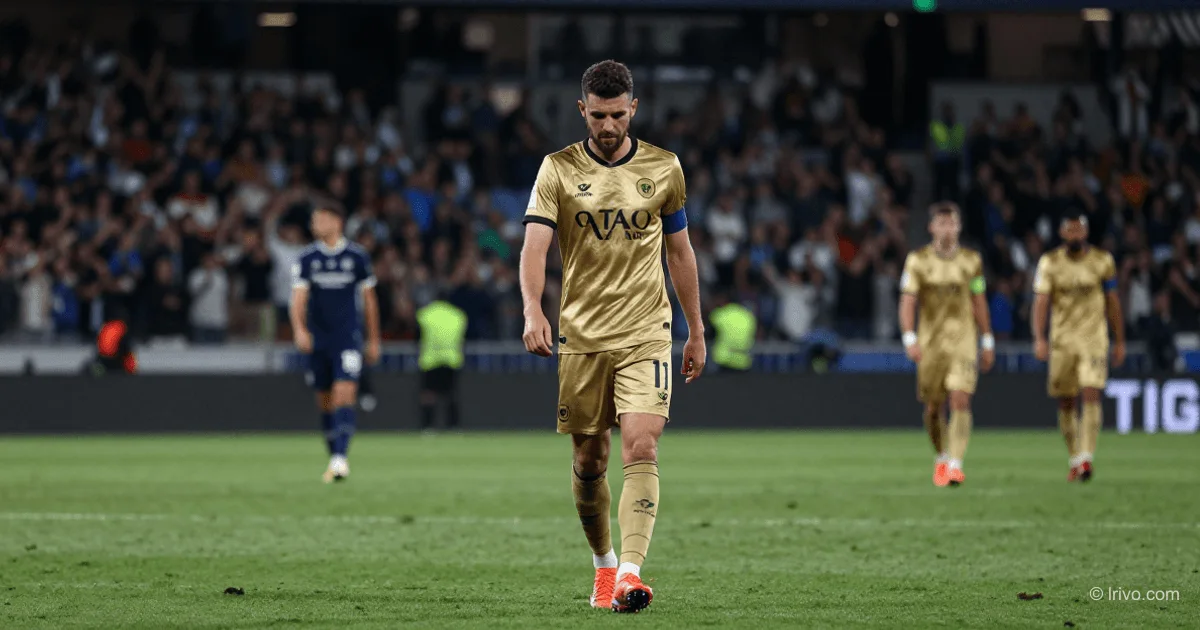
Wolves’ Relegation Confirmed: What Went Wrong and What Comes Next
Wolverhampton Wanderers’ Premier League fate was sealed with a limp 2-0 loss to West Ham — not just because of the result, but because it laid bare every structural flaw that’s haunted them all season. The performance wasn’t merely bad; it was a textbook example of why they’re heading for the Championship.
A Familiar Script Unfolds
For about 30 minutes, Wolves actually looked sharp. They pressed well, moved the ball crisply, and even created half-chances. But as soon as West Ham turned up the intensity, everything collapsed. Two quick goals came from basic defensive lapses — poor positioning, slow reactions, and zero urgency in transition. These weren’t unlucky breaks; they were symptoms of a squad that’s mentally and physically spent.
The bigger issue? Wolves couldn’t respond. There was no Plan B, no spark off the bench, no player who could drag them back into the game. That’s been the story since October: moments of promise followed by long stretches of nothing.
The Final Third Problem Nobody Fixed
Wolves’ attack has been stuck in neutral for months. They rely too heavily on Joao Gomes — a defensive midfielder by trade — to drive forward, and an 18-year-old kid, Mateus Mane, to provide creativity. That’s not a strategy; it’s desperation.
Up front, Adam Armstrong worked hard, but he was constantly isolated. Without support runners or overlapping fullbacks, he had no options. Even when Wolves reached the final third, they lacked the technical quality to break down organized defenses. No through balls, no clever movement, no pace to stretch play. Just hopeful crosses into a crowded box.
It’s telling that their best attacking spells came when they played direct combinations — quick one-twos, diagonal switches, overlaps. But those moments were rare. Most of the time, possession died at the edge of the box like clockwork.
Physicality Gap Exposed Again
West Ham didn’t need to play brilliantly. They just needed to be stronger, faster, and more aggressive — and they were. Wolves looked lightweight in duels, especially in midfield and wide areas. In the Premier League, that’s survivable if you’ve got elite passing or counter-attacking speed. Wolves have neither.
Now imagine that same squad dropped into the Championship. It’s a league where physical battles decide games, where set pieces matter more, and where teams don’t give you time on the ball. Without adding serious muscle and grit this summer, Wolves won’t just struggle — they’ll get bullied.
Squad Imbalance Is the Real Culprit
This isn’t just about tactics or morale. It’s about roster construction. Wolves have too many similar-profile players: technically tidy but physically slight, defensively aware but offensively limited. They lack:
- A true creative No. 10 or inverted winger who can unlock low blocks
- A powerful target man or second striker to partner Armstrong
- Fullbacks who can consistently deliver quality in the final third
- Midfielders who combine defensive steel with progressive passing
Instead, they’ve asked teenagers and role players to fill gaps that require specialists. That might work in short bursts, but not over a 38-game season — especially not when survival is on the line.
What Wolves Must Fix This Summer
Relegation means reset. And Wolves can’t afford another half-measure rebuild. Here’s what needs to happen:
- Prioritize physical profiles — Target players with strength, aerial ability, and stamina, especially in central defense and wide areas.
- Add genuine creators — Sign at least one attacking midfielder or winger who can consistently produce key passes or dribble past defenders.
- Reinforce the spine — From goalkeeper to striker, every position needs someone who can dominate their direct matchup.
- Develop a clear identity — Stop toggling between cautious containment and hopeful pressing. Pick a system and build a squad for it.
- Empower youth wisely — Mateus Mane showed promise, but throwing him into 30+ Premier League games at 18 was unfair. Protect young talent while surrounding them with experience.
Key Takeaways
- Wolves’ loss to West Ham wasn’t just another defeat — it confirmed deep structural issues across the squad.
- Their lack of creativity, physical presence, and final-third quality made them uncompetitive against mid-table sides.
- Relying on a defensive midfielder and a teenager for attacking output was never sustainable.
- Relegation demands a full squad overhaul, not minor tweaks.
- The Championship will expose these weaknesses even more unless Wolves act decisively in the transfer market.
Wolves aren’t just going down because they lost form — they’re going down because their squad was never built to survive in the modern Premier League. Now, they’ve got one summer to fix it before the Championship eats them alive.
— Editorial Team