Arsenal's Premier League Title Collapse: The January Transfer Window and Fan Reactions
The 2026 Premier League season appears to be slipping away from Arsenal, with a pivotal defeat to Manchester City cementing a narrative of missed opportunity and internal failure. While the immediate focus is on the dramatic late-season stumble, many fans and analysts are pointing back to the January transfer window as the moment where the title was truly lost. The decision not to sign forward Antoine Semenyo, who subsequently joined Manchester City, is seen as a critical error that left Arsenal's attack lacking a vital spark.
The January Transfer Window: A Defining Mistake
Central to the post-match analysis is the comparison of squad depth built during the winter transfer period. Manchester City significantly strengthened their roster, adding versatile options across multiple positions, particularly in defense. Arsenal, however, stood still. While the club reportedly had interest in Bournemouth's Antoine Semenyo, manager Mikel Arteta decided his existing options—Leandro Trossard and Gabriel Martinelli—were sufficient for the remainder of the campaign.
This decision is now being heavily scrutinized. Critics argue Semenyo offered a unique blend of qualities that Arsenal's left wing has lacked: consistent goal threat and dynamic ball-carrying ability. The statistical drop-off in productivity from Arsenal's wide attackers in the second half of the season is cited as evidence. Trossard's goal drought and Martinelli's limited league output have left the team reliant on set-pieces and a sometimes-stagnant attacking approach.
- Squad Investment Gap: Manchester City's post-January squad boasts exceptional depth, especially in defense, allowing for flexibility and freshness.
- Attack Stagnation: Arsenal's failure to refresh its attacking line in January contributed to a visible decline in wide-forward output.
- The Semenyo Factor: The player, an Arsenal fan himself, represented a direct solution to a problem that has since hampered the team's title charge.
On-Field Failures and Psychological Fragility
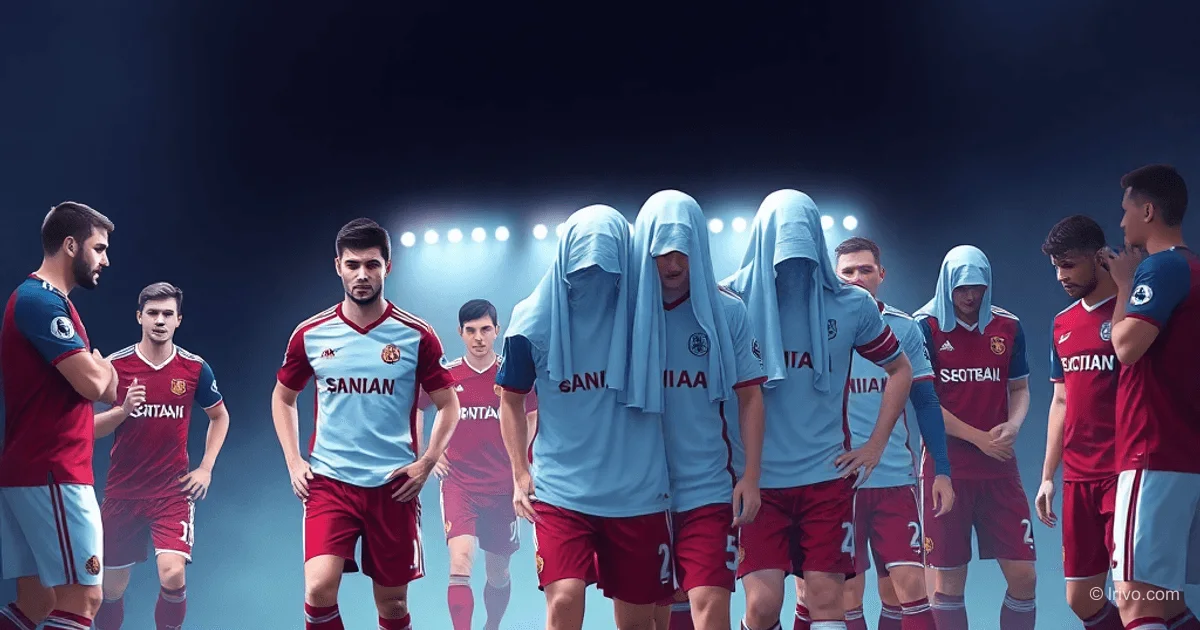
The defeat at the Etihad was more than just a loss; it was a display of contrasting mentalities. Observers noted the composed, almost inevitable demeanor of Manchester City's players, led by a masterful performance from Bernardo Silva. His experience and decision-making controlled the game's tempo. In contrast, Arsenal players exited the pitch visibly distraught, with jerseys over their heads—a symbol of a team running on fumes and perhaps doubting its own capability.
This psychological edge is considered a major factor. City's 'muscle memory' from previous title wins allows them to navigate high-pressure moments with calmness. Arsenal, despite building a significant lead earlier in the season, has shown a recurring fragility in closing out games. Key late concessions against Sunderland, Wolves, and Aston Villa—dropping five precious points—are pinpointed as the practical kills to their title hopes, more damaging than the loss to City itself.
Key moments that derailed Arsenal's season:
- Late Concessions: Dropping points after the 90th minute in multiple games eroded their points cushion.
- Mental Contrast: The experienced, steady leadership of City's squad versus Arsenal's visible stress in crunch moments.
- Tactical Conservatism: A season-long tendency towards cautious, percentage football that may have cost them in games where more bravery was needed.
Fan Reactions: From Banter to Blame
The mailbox debate reveals a spectrum of fan emotion, from defiant optimism to deep pessimism and external blame.
- The 'Banterpocalypse': Some fans frame Arsenal's season as a biblical collapse, with four horsemen representing failures in different competitions: the Carabao Cup (Famine), the FA Cup (Pestilence), the upcoming Champions League battle with Atletico Madrid (War), and the potential Premier League surrender (Death).
- Financial Doping Debate: A contingent of supporters blame Manchester City's resources and the cloud of 115 charges, though others within the fanbase call this a tired excuse, pointing to Arsenal's own significant spending over five years and the universal nature of financial inequality in modern football.
- Internal Accountability: The prevailing sentiment among non-Arsenal fans and a portion of Arsenal supporters is that the club and Arteta must look inward. Criticism is directed at the manager's sideline micromanagement, the team's inability to hold an advantage, and a perceived lack of the 'proper football' expected of a top club.
Key Takeaways
- The January window is viewed as a strategic failure. Not addressing a clear need for attacking reinforcement, specifically the Semenyo opportunity, is seen as the root cause of Arsenal's subsequent offensive struggles.
- Mental fortitude and experience are decisive. Manchester City's squad, exemplified by Bernardo Silva, displayed a title-winning mentality Arsenal currently lacks, evidenced by costly late-game collapses.
- Late-season dropped points are more critical than the City loss. Conceding goals in the dying minutes of several games directly erased the points lead that should have secured the title.
- Fan discourse is split between blaming external factors and demanding internal accountability. While some focus on City's financial power, the majority of analysis points to Arsenal's own decisions and psychological weaknesses.
- Arteta's approach faces scrutiny. His in-game management and conservative tactical choices in key moments are being questioned as potential contributors to the collapse.
In summary, Arsenal's 2026 title challenge has unraveled due to a combination of a flawed transfer decision, a lack of squad depth compared to the champion, psychological fragility in pressure situations, and a series of preventable on-field errors in the final stages of games. The path to recovery will require addressing these core issues, not just lamenting a rival's strength.
— Editorial Team