Where to Catch Every UEFA Women's World Cup 2027 Qualifier Live
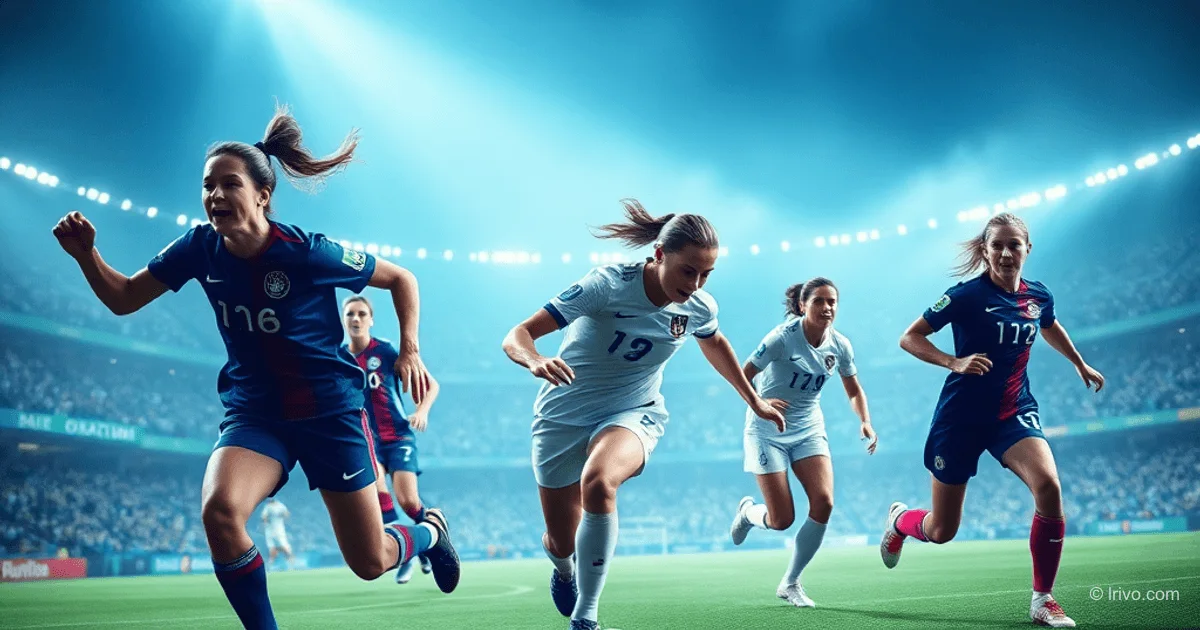
The road to the 2027 FIFA Women's World Cup is heating up across Europe, with national teams battling for spots in Brazil. Qualification matches feature top contenders like England, Spain, Germany, France, and emerging challengers, making every game crucial. Fans worldwide need to know where to watch these important fixtures live on TV and streaming platforms.
Broadcast Channels by Region
Major broadcasters have secured rights to show UEFA Women's World Cup qualifiers in different territories. In the United States, FOX Sports holds the broadcasting rights, providing coverage on its networks and streaming services. Viewers in the United Kingdom can watch matches on BBC platforms, including television and online streaming. For fans in India, FanCode is the official broadcaster, offering live streams and match highlights.
Other key regions include:
- South and Sub-Saharan Africa: SuperSport channels
- Malaysia: Astro network
- Middle East: beIN Sports MENA
These broadcasters typically show selected high-profile matches, often featuring top-ranked teams and crucial qualification clashes.
FIFA+ Streaming Platform
For comprehensive coverage, FIFA+ serves as a universal streaming option available in many regions worldwide. The platform frequently streams matches live and free of charge, especially when local broadcasters don't pick up specific games. This makes FIFA+ particularly valuable for watching less high-profile qualifiers or matches involving smaller nations.
FIFA+ offers:
- Live streaming of qualification matches
- Match replays and highlights
- Additional women's football content
- Availability across multiple devices
The platform has become increasingly important for women's football coverage, providing access that might otherwise be limited in certain markets.
Key Teams to Watch
Several European nations bring distinct qualities to the qualification campaign:
Traditional Powers
- England: Carrying expectation with home strength and resilience
- Germany: Perennial powerhouse with dominant qualification history
- France: Consistent performers with depth and tactical discipline
Technical Specialists
- Spain: Known for possession football and technical brilliance
- Netherlands: Rely on attacking creativity and flair
Nordic Contenders
- Sweden: Athleticism and tactical discipline
- Denmark: Maintaining historic rivalry with Sweden
Emerging Challengers
- Austria: Representing nations striving to close the gap with established teams
Qualification Format and Importance
The UEFA qualification process determines which European teams will compete in the 2027 Women's World Cup in Brazil. Matches are spread across multiple international windows, with teams competing in groups before potential playoff rounds. Every point matters as nations aim to secure their place in the global tournament.
Key aspects of the qualification:
- Multiple matchdays throughout 2026
- Group stage followed by potential playoffs
- Direct qualification spots at stake
- Important for team development and exposure
Key Takeaways
- Broadcast Variety: Different regions have specific broadcasters like FOX (USA), BBC (UK), and FanCode (India)
- Universal Access: FIFA+ provides free streaming in many areas, especially for matches not covered locally
- Team Diversity: Qualification features established powers (Germany, England) alongside emerging challengers
- Regional Coverage: SuperSport (Africa), Astro (Malaysia), and beIN Sports (Middle East) serve their respective markets
- Comprehensive Viewing: Between traditional broadcasters and FIFA+, fans have multiple options to follow the action
Following UEFA Women's World Cup qualification has never been more accessible. Between regional broadcast partnerships and FIFA+'s streaming service, supporters can watch their favorite teams compete for spots in Brazil 2027. The mix of traditional powers and ambitious challengers makes every match worth watching as European women's football continues to grow in quality and visibility.
— Editorial Team