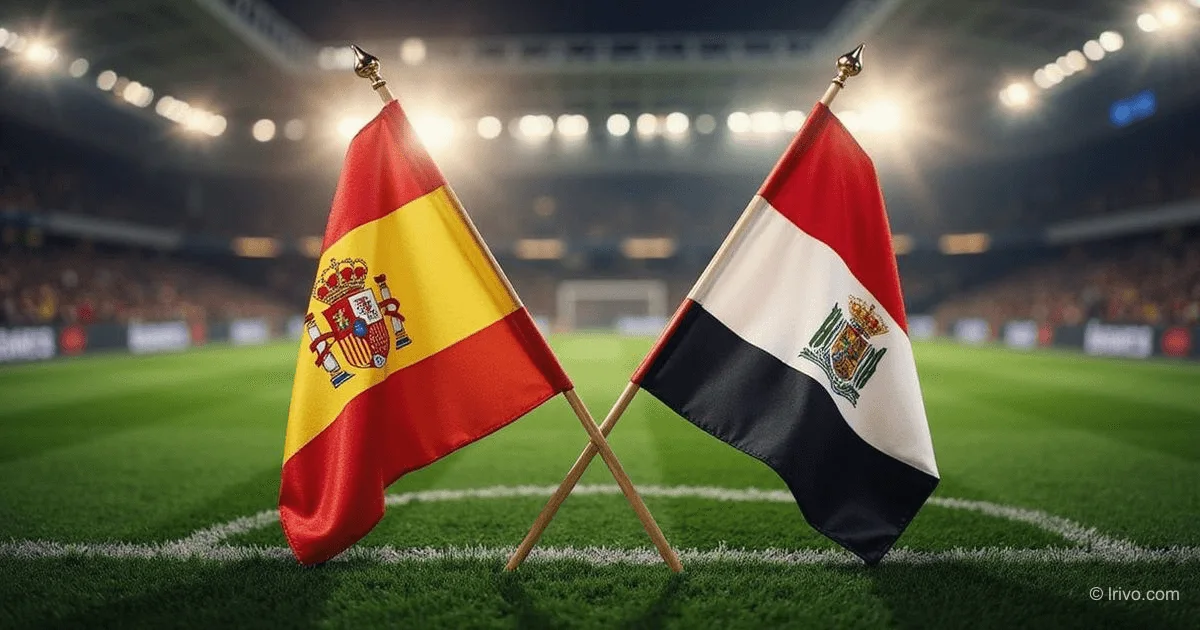
Spain Issues Formal Apology to Egypt Over Anti-Muslim Chants at Friendly Match
A recent friendly football match between Spain and Egypt in Barcelona was unfortunately overshadowed by offensive behavior from a segment of Spanish fans. During the goalless draw, some supporters at the Espanyol stadium directed hostile, anti-Muslim chants towards the Egyptian team. This regrettable incident quickly escalated into a diplomatic issue, prompting a swift and unequivocal apology from the Spanish government to Egypt.
The Spanish Foreign Minister, José Manuel Albares, wasted no time in condemning the actions, describing them as "inappropriate behaviour." The incident not only caused widespread outrage within Spanish sporting circles but also drew international attention, necessitating a direct diplomatic intervention to address the offense and reaffirm Spain's commitment against discrimination.
The Incident and Immediate Backlash
The match on April 5, 2026, intended as a friendly encounter, took a sour turn when a group of fans began chanting offensive slogans targeting Muslims. This display of bigotry was met with immediate disapproval from various quarters. Notably, Spanish football star Lamine Yamal publicly spoke out against the behavior, highlighting the unacceptable nature of such prejudice within the sport and society.
Stadium management at Espanyol attempted to intervene, issuing warnings to the crowd to cease the hostile chants. However, these warnings were unfortunately met with jeers from some of the offending fans, further exacerbating the situation. This defiance underscored the depth of the problem and the challenge in controlling such outbursts in real-time, even with official interventions.
Diplomatic Fallout and Official Condemnation
The gravity of the incident quickly moved beyond the football pitch, becoming a matter of international diplomacy. The Spanish Foreign Minister, José Manuel Albares, engaged in a crucial telephone conversation with his Egyptian counterpart, Badr Abdel Aty. During this call, Albares conveyed his country's profound regret and issued a formal apology on behalf of Spain.
An official statement from the Egyptian Cabinet confirmed the details of this conversation, emphasizing Spain's categorical rejection of any offensive or racist behavior. Albares made it clear that the actions of a few individuals do not reflect the values of the Spanish people nor do they represent the distinguished historical relations that exist between Spain and Egypt. This diplomatic outreach was crucial in de-escalating tensions and reaffirming mutual respect between the two nations.
Spain's Commitment to Action
Beyond the apology, the Spanish government has pledged to take concrete steps to address the incident and prevent future occurrences. Minister Albares stressed that Spain maintains a zero-tolerance policy towards hatred and discrimination in any form, especially within the public sphere of sports.
The commitment to accountability is clear. The government has promised to pursue strict legal action against those identified as being involved in the racist chanting. This firm stance sends a strong message that such behavior will not be overlooked and that individuals responsible will face consequences. The ongoing efforts to identify and prosecute these individuals are a critical part of Spain's response.
Here are the key measures Spain is committing to take:
- Formal Apology: Directly addressing the offense to Egypt at the highest diplomatic level.
- Categorical Rejection: Publicly denouncing any form of offensive or racist behavior.
- Legal Action: Initiating strict legal proceedings against individuals involved in the hostile chanting.
- Zero Tolerance: Reaffirming a national policy of no tolerance for hatred or discrimination.
- Upholding Relations: Emphasizing that such incidents do not represent the Spanish people or their strong historical ties with Egypt.
The Broader Context of Racism in Football
This incident in Barcelona serves as a stark reminder that racism remains a persistent and ugly stain on the beautiful game of football. Across Europe and globally, instances of racial abuse, xenophobia, and anti-religious discrimination continue to surface, marring matches and hurting players and fans alike. Football, meant to be a unifying force, unfortunately sometimes becomes a stage for societal prejudices.
Organizations like FIFA and UEFA, along with national federations, have long grappled with how to effectively combat this issue. While campaigns and penalties are in place, the challenge lies in changing deeply ingrained attitudes among a minority of fans. The swift and decisive action by the Spanish government in this case sets an important precedent, demonstrating that diplomatic and legal consequences can follow such incidents, pushing for greater accountability beyond mere sporting sanctions.
Why This Matters for International Relations
Sports events often act as cultural exchange platforms, fostering goodwill and understanding between nations. When such events are marred by discriminatory acts, they can quickly strain international relations. The Spanish government's quick and decisive response was critical in preventing a deeper diplomatic rift with Egypt.
By issuing a formal apology and promising legal action, Spain demonstrated its respect for Egypt and its commitment to combating racism, thereby protecting the integrity of its international relationships. This approach highlights how governments increasingly recognize the need to address fan behavior that could have broader geopolitical implications, turning a sporting incident into a test of diplomatic resolve and shared values.
Conclusion
The incident during the Spain-Egypt friendly match was a disappointing display of bigotry, but the subsequent diplomatic response from Spain was both swift and commendable. The formal apology to Egypt, coupled with the firm commitment to legal action against those responsible, underscores Spain's dedication to combating racism and maintaining respectful international relations. It serves as a powerful reminder that while football unites, it also requires constant vigilance and strong action against those who seek to divide through hatred and discrimination.
Key Takeaways
- Spanish fans chanted hostile, anti-Muslim slogans during a friendly match against Egypt in Barcelona.
- Spanish Foreign Minister José Manuel Albares formally apologized to his Egyptian counterpart, Badr Abdel Aty.
- Spain condemned the behavior, stating it does not represent the Spanish people or their relations with Egypt.
- The Spanish government has pledged strict legal action against the individuals involved in the racist chants.
- The incident highlights the ongoing challenge of racism in football and the importance of swift diplomatic and governmental responses to such occurrences.
— Editorial Team