PSG's Tactical Fluidity Overwhelms Liverpool's Defensive Experiment
Liverpool's surprising switch to a five-man defense backfired dramatically in their Champions League quarter-final first leg against Paris Saint-Germain. The tactical gamble left them chasing shadows for most of the match, ultimately conceding two goals without reply and putting their European campaign in serious jeopardy.
How PSG Exploited Liverpool's Unfamiliar Setup
Arne Slot's decision to deploy a back five for only the second time this season immediately raised eyebrows. The formation was meant to provide defensive solidity against the reigning European champions, but PSG's intelligent movement and positional rotations exposed its weaknesses from the opening minutes. With 74% possession and 18 shots to Liverpool's three, the French side dominated proceedings despite facing an extra defender.
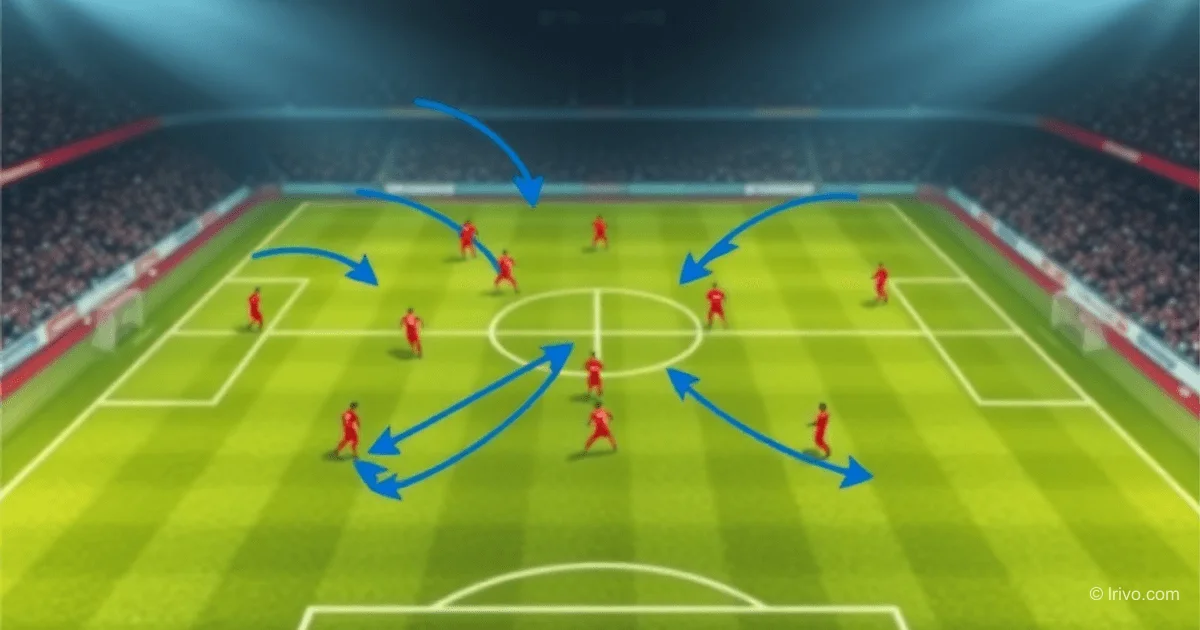
Liverpool attempted to press high with their front three marking PSG's makeshift back three, but the French champions adapted brilliantly. Their full-backs pushed high to pin back Liverpool's wing-backs, while attackers dropped into wide areas that Liverpool's center-backs were reluctant to follow. This created numerical advantages in midfield and allowed PSG to progress the ball with minimal pressure.
Key issues emerged in Liverpool's defensive coordination:
- Wing-backs struggled to cover ground when PSG's full-backs took deeper positions
- Center-backs faced difficult decisions about when to follow attackers into wide areas
- Midfielders were overloaded as PSG created numerical advantages
- Communication breakdowns left spaces between defenders
The Konate Conundrum and PSG's Clever Movement
Ibrahima Konate found himself in particularly difficult situations throughout the match. Tasked with supporting right wing-back Jeremie Frimpong in the press, the French defender often had to cover excessive distances, leaving him exposed when PSG attackers dropped deep to receive the ball. When Konate was slow to react, PSG players had time to turn and drive at the defense with space ahead of them.
PSG's attacking fluidity caused constant problems for Liverpool's defensive structure. Ousmane Dembélé's free-roaming role proved especially disruptive, as he frequently appeared in central midfield areas, leaving Virgil van Dijk without a direct opponent to mark. This created uncertainty about defensive responsibilities and opened spaces that PSG exploited.
The second goal perfectly illustrated these issues. As Frimpong pressed João Neves on the touchline, Konate was dragged out of position by Nuno Mendes, creating space for Khvicha Kvaratskhelia to run into from deep. Dembélé's positioning prevented Van Dijk from covering across, leaving Kvaratskhelia free to score.
What This Means for Liverpool's Season
The 2-0 defeat leaves Liverpool needing a dramatic turnaround at Anfield next week. While the tactical experiment clearly failed, the bigger concern is how comprehensively PSG controlled the match despite Liverpool's defensive reinforcements. The French side's ability to adapt to Liverpool's pressing and exploit spaces between defenders suggests deeper issues than just formation choice.
Key takeaways from this tactical battle:
- Formation changes require proper preparation – Liverpool looked uncomfortable in a system they've rarely used
- PSG's positional rotation is elite – Their attackers' intelligent movement consistently created numerical advantages
- Pressing coordination broke down – Liverpool's high press was easily bypassed by PSG's buildup
- Individual roles weren't clearly defined – Defenders seemed uncertain about when to follow opponents
- Anfield atmosphere will be crucial – Liverpool need their home crowd to inspire a remarkable comeback
Slot acknowledged the tactical miscalculation post-match, stating that every time Liverpool tried to press aggressively, they were "ripped apart." Van Dijk highlighted the communication challenges posed by PSG's constant movement, emphasizing the need for better defensive coordination.
While PSG's quality would have tested any system, Liverpool's unfamiliar setup made their task considerably easier. The second leg now represents both a massive challenge and an opportunity to demonstrate tactical flexibility and resilience. With their European hopes hanging by a thread, Liverpool must find answers to questions PSG posed throughout this comprehensive first-leg performance.
— Editorial Team