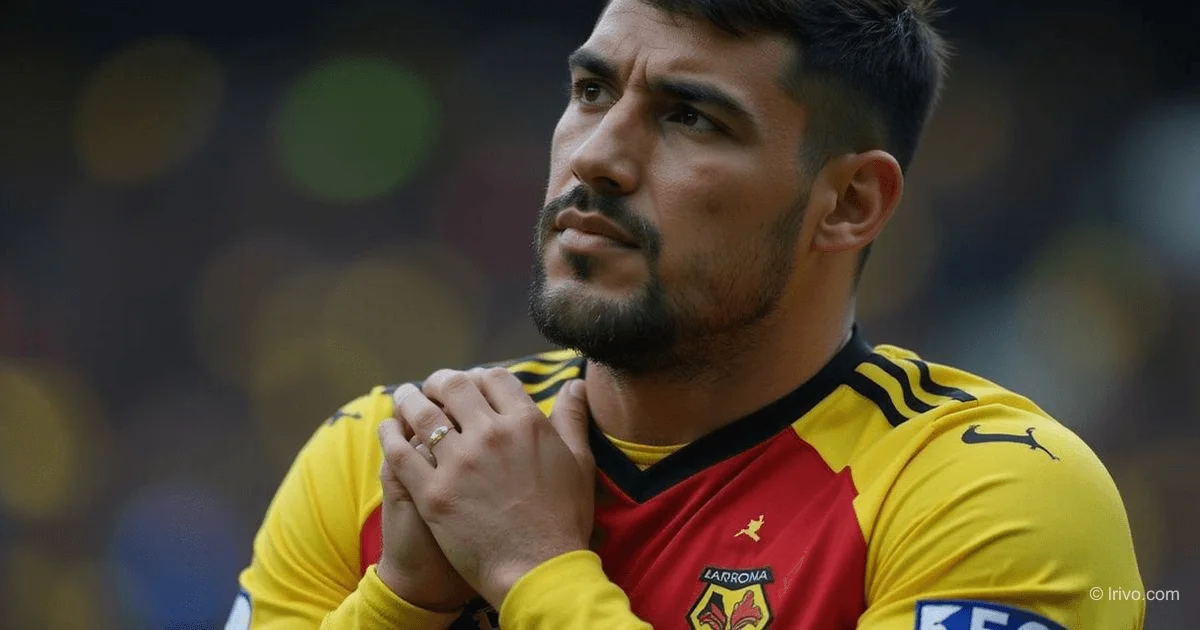
Watford Star Othman Maama Explains Unique Post-Match Routine for Personal Safety
Moroccan football sensation Othman Maama, a standout midfielder for English club Watford, has openly discussed his unusual post-match routine: he never exchanges or gives away his game-worn shirts. This isn't a sign of aloofness but a conscious decision rooted deeply in personal safety and privacy concerns, a perspective he recently shared with the Moroccan newspaper Al-Batal. Maama, who was crowned the Best Player at the 2025 Youth World Cup, where his Moroccan national team triumphed, highlights a rarely spoken-about aspect of life as a public figure in professional sports.
The Tradition of Shirt Swapping
For decades, swapping jerseys has been a cherished tradition in football, a symbol of sportsmanship, respect, and camaraderie between opponents. Fans often clamor for these coveted items, seeing them as direct mementos from their heroes or significant matches. A player's match-worn shirt, often signed, can fetch substantial sums at auction, becoming valuable collectibles for enthusiasts worldwide. This practice is so ingrained that many players build impressive collections of shirts from rivals they've faced throughout their careers. Maama's decision therefore stands out against this long-established backdrop, challenging a common expectation in the football world.
Maama's Stance on Personal Safety
Othman Maama articulated his cautious approach, stating he's not one to ask for or give away shirts. His primary concern revolves around the potential misuse of his personal belongings. He explained, "You can't know what people will do with your used items... So I'm careful, I don't give much away, and I try to keep myself safe." This reflects a growing awareness among public figures about the privacy implications and potential security risks associated with personal items falling into unknown hands. The digital age, with its ease of information dissemination, amplifies these concerns, as even seemingly innocuous items can be used in ways unintended by the owner, potentially impacting an athlete's personal security or privacy.
Beyond the Pitch: A Star's Public Life
As a rising star, especially after his impressive performance at the 2025 Youth World Cup, Maama's public profile has undoubtedly soared. This increased visibility, while bringing adulation, also comes with heightened scrutiny and potential risks. His proactive measure to safeguard his personal space and safety by limiting the distribution of his match-worn gear offers a glimpse into the considerations professional athletes navigate off the field. It underscores the constant balance between fan engagement and maintaining personal boundaries in a world where personal details can be easily exploited or misinterpreted.
Fan Interaction Without Memorabilia
Despite his strict policy on shirts, Maama emphasized that he still values interaction with fans. He described his post-match routine as greeting supporters and celebrating victories with his team. In cases of a loss, he heads directly to the dressing room, avoiding the shirt-related interactions altogether. This shows a commitment to acknowledging the fans' presence and passion while firmly upholding his personal boundaries. His approach suggests that authentic connection doesn't necessarily require physical mementos, but rather genuine appreciation and shared moments of joy or disappointment. It's about respecting the fans without compromising his personal well-being.
The Broader Implications for Athletes
Maama's decision might spark a wider conversation among athletes about their personal safety and how they manage their public image and interactions. In an era where athletes are increasingly targeted by various forms of exploitation, from identity theft to stalking, such precautions could become more common. It forces a re-evaluation of traditional fan engagement methods and highlights the evolving challenges faced by sports stars globally. His unique stance, while perhaps surprising to some, could be seen as a pragmatic response to the realities of modern celebrity and the need for enhanced personal security.
Key Takeaways
- Othman Maama, Watford's Moroccan midfielder and 2025 Youth World Cup Best Player, refuses to swap or give away his match shirts.
- His decision is driven by personal safety concerns and caution about the potential misuse of his personal belongings.
- This stance challenges the long-standing tradition of jersey swapping in football.
- Maama still interacts with fans by greeting them and celebrating, but maintains strict personal boundaries regarding memorabilia.
- His approach highlights the growing security and privacy considerations for public figures in modern sports.
— Editorial Team