La Liga Teams Unveil Retro Kits in Celebration of Club Heritage
This weekend, most clubs across Spain’s top two football divisions will step onto the pitch wearing throwback kits that honor their unique histories and fan cultures. It’s a coordinated league-wide initiative unlike anything seen before in Europe’s major football leagues — and it’s as much about fashion and identity as it is about football.
A Nod to the Past on the Pitch
Thirty-eight out of the 42 teams in La Liga and the Segunda División will don retro-inspired shirts for their matches. These designs pull from iconic eras in each club’s past, reviving colors, patterns, and styles that once defined matchdays decades ago. From classic stripes to vintage collars, the kits are meant to spark nostalgia while reinforcing each team’s cultural roots.
Not every big name is taking part, though. Barcelona, Rayo Vallecano, Getafe, and Real Madrid are sitting this one out. According to reports, the first three cite logistical issues — likely around production timelines or licensing — but still support the campaign in spirit. Real Madrid, however, has opted out entirely, making them the only club with no involvement at all.
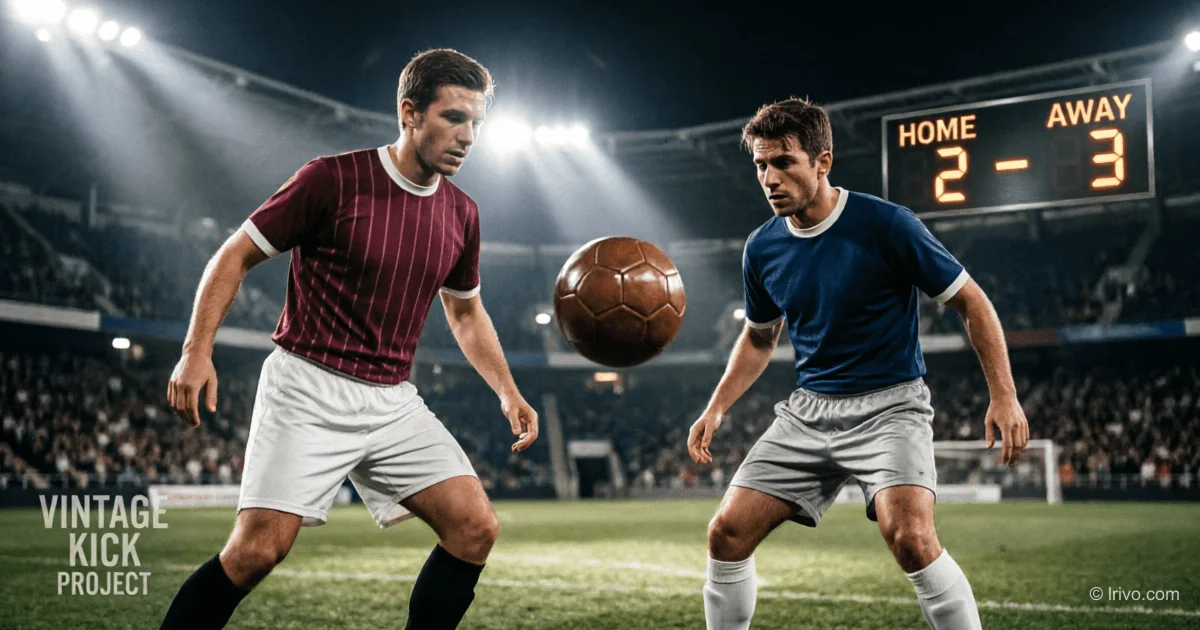
Even the referees will get in on the act, wearing special throwback uniforms, while broadcasters will use retro-style graphics during coverage. To complete the time-travel effect, a vintage-design match ball will be used across all games.
Fashion Meets Football Culture
The retro kits were first revealed on March 19 at Madrid Fashion Week, highlighting La Liga’s push to position football as a central part of Spain’s broader creative and cultural landscape. Jaime Blanco, La Liga’s director, called the move a way to “bring the past into the present” and deepen emotional connections with supporters.
He emphasized that presenting the collection at a major fashion event wasn’t just symbolic — it was strategic. “It positions soccer at the heart of the cultural and creative conversation,” he said, signaling a shift where clubs aren’t just sports entities but lifestyle brands.
This isn’t happening in a vacuum. Retro football kits have become a booming niche. The UK-based Classic Football Shirts company estimates the market is now worth nearly £40 million. Clubs worldwide are tapping into this trend: Liverpool recently dropped a heritage line featuring designs from the 1960s through their legendary 2005 Champions League final shirt. Juventus unveiled a fourth kit inspired by their 1996–97 season. Even Nike and Adidas are leaning into nostalgia — Nike relaunched its T90 line, and Adidas brought back the Trefoil badge for its 2026 World Cup away kits after a 36-year absence.
Why Nostalgia Resonates Now
Jordan Clarke, founder of Footballer Fits — an Instagram platform exploring the intersection of football and fashion — says the surge in retro interest reflects a wider societal longing. “Nostalgia isn’t just a football thing,” he explains. “People look back fondly on simpler times, especially when today feels overwhelming.”
He argues that modern football has lost some of its spontaneity. “The game has got a bit robotic,” Clarke notes, pointing to over-coached tactics, VAR delays, and rigid systems that stifle individual flair. In that environment, players turn to fashion, music, and culture to express themselves off the pitch.
“Players can’t play like Neymar anymore — they’re not allowed to,” he says. “So they find other outlets to show personality.”
That self-expression also serves a commercial purpose. Clubs like Arsenal and Paris Saint-Germain are actively building global followings by blending sport with streetwear, music, and art. “It makes the club look cooler,” Clarke adds, “and brings in fans who care more about culture than corner kicks.”
Key Takeaways
- 38 of 42 Spanish top-flight and second-division clubs will wear retro kits this weekend as part of a league-wide heritage celebration.
- Barcelona, Rayo Vallecano, and Getafe are skipping due to logistics; Real Madrid is not participating at all.
- The initiative debuted at Madrid Fashion Week, underlining football’s growing role in fashion and cultural identity.
- Retro kits are a major commercial trend, with clubs and brands leveraging nostalgia to connect with younger, style-conscious audiences.
- Experts say the rise reflects a desire for authenticity and self-expression in an increasingly controlled, system-driven game.
While this weekend’s matches won’t change league standings, they do signal something bigger: football is evolving beyond 90 minutes on grass. It’s becoming a canvas for storytelling, memory, and identity — stitched right into the fabric of the shirts players wear.
— Editorial Team