Wim Kieft Sounds Alarm Over Dutch National Team's Attacking Prowess
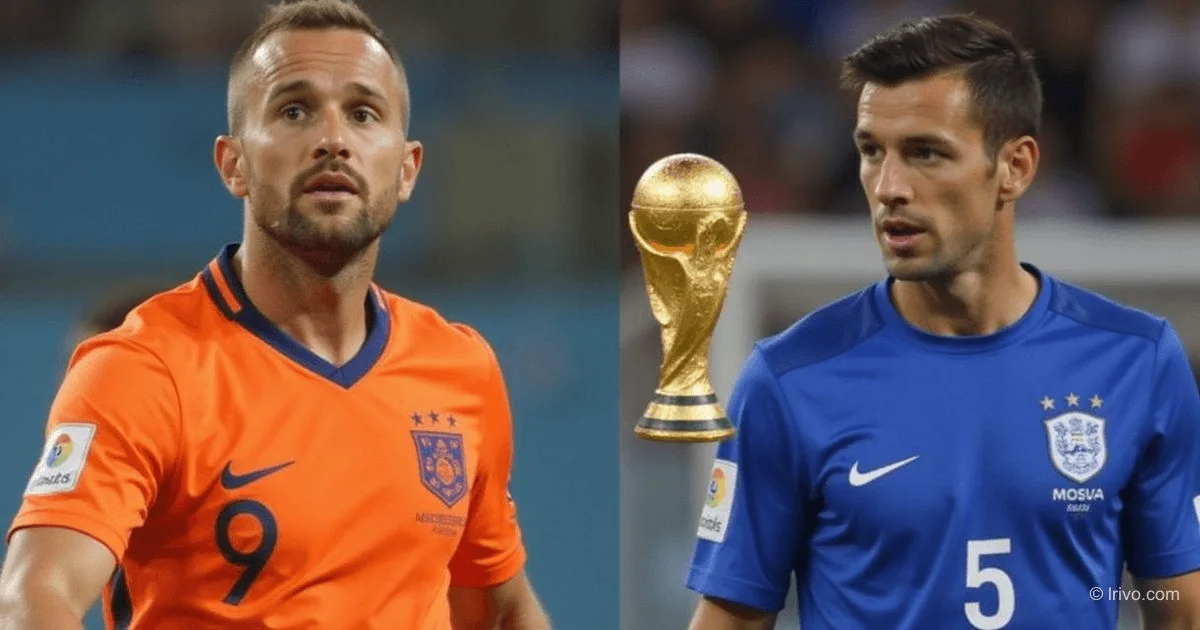
Wim Kieft, a respected voice in Dutch football, has expressed significant reservations about the Netherlands national team's attacking capabilities just over two months before the World Cup. His candid assessment draws a stark comparison between the Dutch squad's forward line and the formidable attacking depth seen in nations like France, raising questions about the Oranje's ability to compete at the highest level.
The Striking Contrast: Oranje vs. Les Bleus
Kieft holds a clear admiration for the attacking options available to the French national team. He points to an impressive roster featuring global superstars such as Kylian Mbappé and Ousmane Dembélé, alongside promising talents like Hugo Ekitike and Doué. This wealth of talent provides France with a potent blend of pace, skill, and goal-scoring ability, offering multiple game-changing options from the bench or starting XI. Such depth is a luxury, allowing for tactical flexibility and resilience against various opponents.
In stark contrast, Kieft believes the Dutch national side lacks this kind of "pure quality" and depth in their forward positions. While Cody Gakpo is acknowledged as a reliable presence on the left, the overall attacking unit, according to Kieft, falls short when measured against the world's elite. He suggests that for the Netherlands to have any real chance of success at the upcoming World Cup, their current crop of attackers would need to perform at an exceptionally high and consistent level, which is a considerable challenge in a demanding tournament setting.
Doubts Over Key Players and Attacking Depth
A specific point of concern for Kieft is the potential impact of players like Donyell Malen on the international stage. While acknowledging Malen's decent form in the Italian league, Kieft openly questions whether this translates into the kind of difference-making performances required at a World Cup. This sentiment underscores a broader issue: the perceived lack of a truly world-class, clinical striker or winger who can consistently unlock defenses and convert chances under immense pressure.
The reliance on a few key individuals, coupled with a perceived gap in overall attacking firepower, could become a significant vulnerability for the Netherlands. In modern international football, successful teams often boast multiple attacking threats, capable of creating and finishing opportunities from various positions. Without this robust attacking arsenal, the Dutch team might find themselves struggling to break down well-organized defenses or to recover from conceding early goals against top-tier opponents.
Italy's Cautionary Tale: Neglecting Homegrown Talent
Kieft's critique extends beyond the Netherlands, touching upon a broader issue within European football development, using Italy as a prime example. He laments the current state of Italian football, noting a conspicuous absence of major talents compared to the legendary figures of previous generations, such as Alessandro Del Piero, Gianluca Vialli, and Roberto Baggio. This perceived decline, he argues, is not accidental but a direct consequence of strategic missteps by leading Italian clubs.
According to Kieft, clubs like AC Milan and Juventus have historically prioritized spending heavily on established foreign players rather than investing adequately in their own youth academies and nurturing homegrown talent. This approach, he contends, has led to a significant talent deficit, as promising young Italian players struggled to break into first teams. The long-term consequence became painfully evident with Italy's dramatic failure to qualify for the World Cup, a stark reminder of the importance of sustainable youth development.
Key Observations from Wim Kieft
- Dutch Attack Concerns: Wim Kieft identifies a significant gap in the Dutch national team's attacking quality compared to top contenders.
- French Superiority: He highlights France's exceptional depth and individual brilliance in their forward line as a benchmark.
- Player Specific Doubts: Kieft questions Donyell Malen's ability to perform consistently at the highest international level.
- Italian Development Flaws: He attributes Italy's current talent shortage to major clubs neglecting youth development in favor of foreign signings.
- World Cup Implications: These issues could severely impact both the Netherlands' and Italy's (past) performance in major tournaments.
The Broader Implications for National Football
Kieft's analysis offers more than just criticism; it provides valuable insight into the strategic choices that shape national team success. The perceived talent gap in the Dutch attack isn't solely about individual players' form but reflects broader trends in player development, scouting, and club investment. For the Netherlands, it means that tactical ingenuity and exceptional team cohesion will be paramount to compensate for any perceived deficit in individual attacking brilliance.
Similarly, Italy's situation serves as a powerful cautionary tale for other footballing nations. The emphasis on short-term gains through expensive transfers can inadvertently cripple the long-term health of a national talent pool. As the football landscape continues to evolve, the balance between acquiring established stars and fostering homegrown talent becomes an increasingly critical factor in determining a nation's competitive standing on the global stage.
Conclusion:
Wim Kieft's observations paint a clear picture of the challenges facing European national teams, particularly regarding attacking prowess and sustainable talent development. His concerns for the Dutch national team ahead of the World Cup, coupled with his sharp critique of Italian football's strategic missteps, underscore the delicate balance required to build and maintain a globally competitive squad. As the countdown to the World Cup continues, these points will undoubtedly remain central to discussions among football enthusiasts and analysts.
— Editorial Team