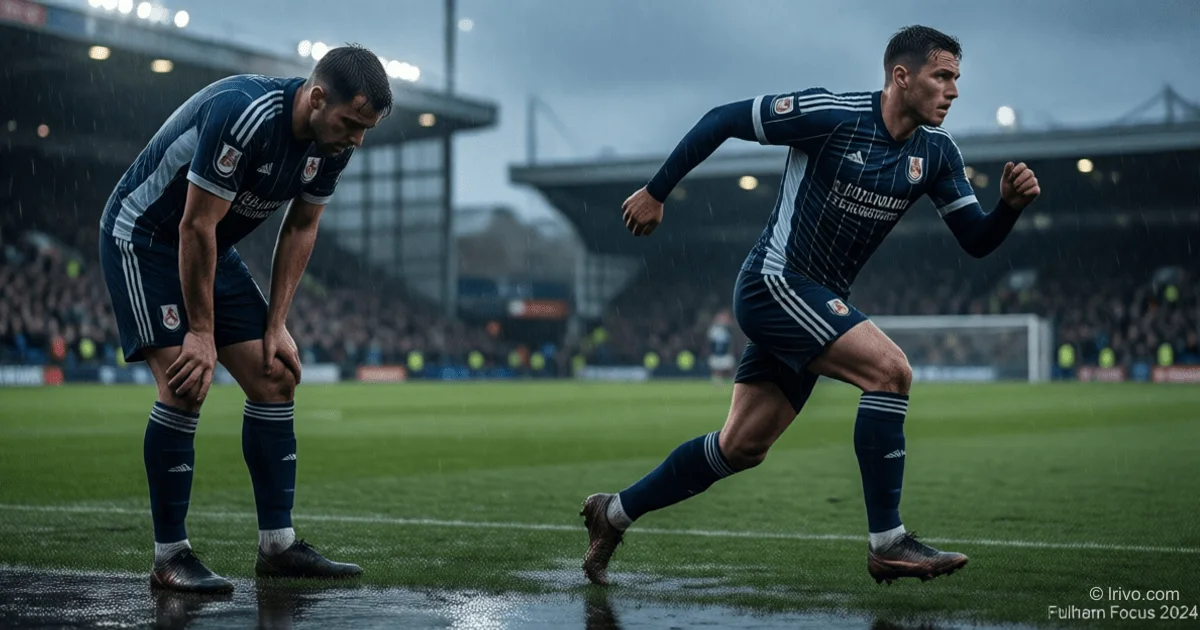
Fulham’s Full-Back Crisis Threatens Top-Half Ambitions
Fulham’s push for a top-half Premier League finish—and maybe even European contention—is running into a serious roadblock: their full-backs. Once seen as a strength, both Antonee Robinson and Kenny Tete are now raising more questions than answers, and the club may need to act fast this summer.
The Left-Side Letdown
Antonee Robinson, nicknamed 'Jedi' by fans, was Fulham’s Player of the Season just a year ago. But after summer knee surgery, he’s struggled to regain his form. His return to the starting XI hasn’t brought the usual spark—instead, he’s been prone to turnovers, defensive lapses, and inaccurate crosses. Compared to last season’s dynamic performances, the drop-off is stark and increasingly costly.
Robinson’s issues aren’t just about fitness. Even when available, he’s looked hesitant and off-rhythm, often caught out of position or beaten one-on-one. In a league where full-backs are expected to contribute heavily in attack and defense, his current output is dragging the team down rather than lifting it.
Right-Back Reliability Issues
Kenny Tete has fared slightly better on the pitch, but his availability is another story. Over the past three seasons, he’s missed at least a dozen games each campaign due to injuries. That kind of inconsistency makes it hard to build a reliable system around him, especially when Fulham’s backup option—Timothy Castagne—hasn’t shown he can handle Premier League intensity.
Castagne’s recent outing against Liverpool teenager Rio Ngumoha was particularly rough, exposing the lack of depth on the right flank. With Tete’s durability in question and no clear alternative ready to step up, Fulham’s right side looks vulnerable against faster, more technical wingers.
Why Full-Backs Matter More Than Ever
Modern football demands that full-backs be two-way engines: solid in one-on-one defending, smart in build-up play, and dangerous in the final third. They’re no longer just defenders—they’re key connectors between defense and attack.
Fulham’s current pairing is failing on both fronts:
- Defensively: Both have been directly involved in goals conceded this season.
- Offensively: Crosses lack precision, overlaps are less frequent, and transitions feel sluggish.
- Consistency: Neither offers the reliability needed for a side aiming beyond mid-table safety.
If Marco Silva’s project is to keep climbing, upgrading these positions isn’t optional—it’s essential.
Summer Priorities Beyond Contracts
While sorting new deals for Silva and star winger Harry Wilson is understandably top of the agenda, ignoring the full-back situation could cap Fulham’s ceiling. The club needs options who can either:
- Immediately challenge for starting roles with proven Premier League experience.
- Offer long-term upside through younger, high-potential signings.
Ideally, they’d address both flanks—but even reinforcing one side could rebalance the entire unit. Given how thin the squad is in these positions, a single injury could derail their momentum next season.
Key Takeaways
- Antonee Robinson has regressed significantly post-surgery and is no longer performing at last season’s elite level.
- Kenny Tete remains inconsistent due to recurring injuries, and Timothy Castagne isn’t a viable Plan B.
- Fulham’s full-back weaknesses are hurting both defensive stability and attacking fluidity.
- Upgrading these positions should be a core part of summer transfer planning, alongside contract renewals.
- Without fixes, European ambitions may remain out of reach despite strong midfield and forward units.
Fulham have built something promising under Marco Silva, but football in 2026 runs through the flanks. If they don’t shore up their full-back spots soon, they risk stalling just as they’re gaining altitude.
— Editorial Team