Spanish Friendly Marred by Racist Chants: Cucurella Weighs In
A recent friendly football match between the Spanish national team and Egypt in Barcelona was overshadowed by disturbing racist incidents, prompting Chelsea defender Marc Cucurella to share his thoughts on the controversy. The match, intended as a display of sportsmanship, instead became a focal point for discussions on discrimination in football.
The atmosphere at the RCDE Stadium quickly soured, even before kickoff, with boos directed at the Egyptian national anthem. As the game progressed, roughly 20 minutes in, a segment of Spanish fans began chanting anti-Islamic slogans. These offensive shouts reportedly continued throughout the match despite repeated warnings broadcast over the stadium's loudspeakers and displayed on screens, clearly indicating the severity of the situation to match organizers.
The immediate fallout was significant, drawing condemnation from various corners of the football world and beyond. The Spanish Football Federation swiftly denounced the behavior, as did national team manager Luis de la Fuente. Barcelona and Spain's rising star, Lamine Yamal, who is Muslim, openly called the chants "unacceptable ignorance and racism," highlighting the personal impact such incidents have on players. The Spanish government also weighed in, describing those responsible as a "backward minority" and pledging to escalate its response to such acts of discrimination.
Marc Cucurella, reflecting on the events, expressed his deep disappointment. While regretting the chants, he offered a specific interpretation regarding their target. He suggested that the chants might not have been aimed directly at Lamine Yamal with malicious intent, but rather intended "to annoy or harass others." This perspective, while not excusing the behavior, adds a layer of nuance to the discussion, implying a broader, less specific form of aggression rather than a direct personal attack on Yamal.
Cucurella emphasized the importance of addressing such issues carefully. He stated that "we must be very careful in such matters; we must try to find another way." He acknowledged that such actions can profoundly offend people and can quickly turn a celebratory event into a problematic or even dangerous situation. He also noted that the overall crowd reaction was positive, with many fans chanting support for debutant Juan García, suggesting the racist element was indeed a minority within the stadium.
The Persistent Shadow of Discrimination in Football
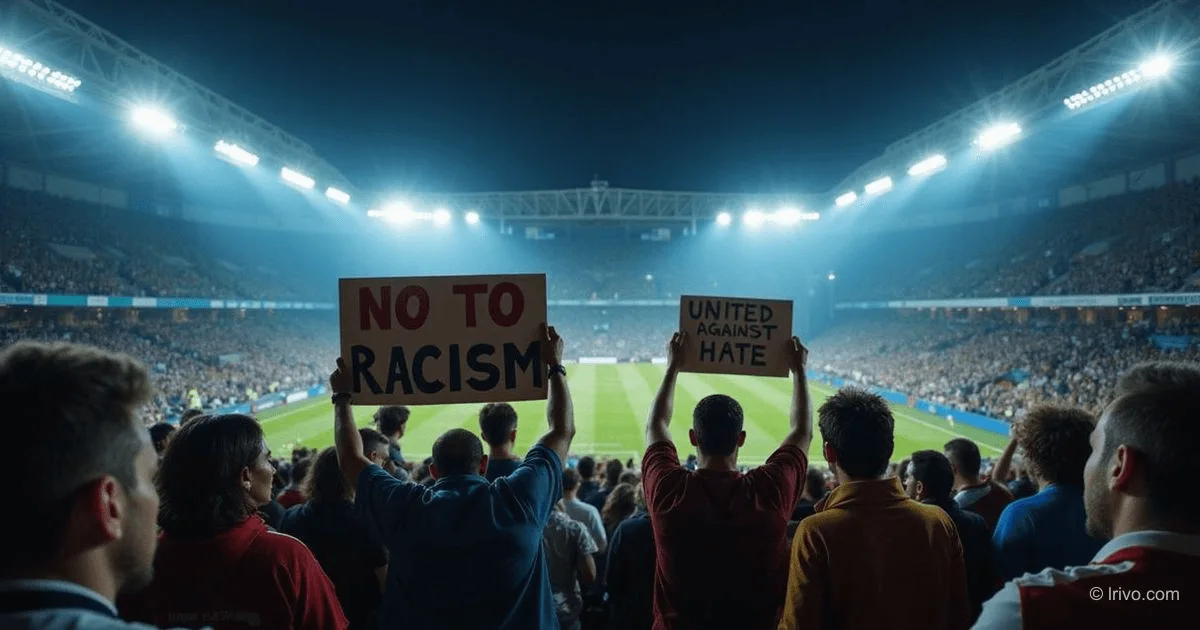
The incident in Barcelona is unfortunately not an isolated event but rather a stark reminder of the persistent challenge of racism and discrimination within football. Despite ongoing campaigns and stricter penalties, these issues continue to surface, particularly in high-profile matches. Such occurrences undermine the spirit of sportsmanship and inclusivity that football aims to embody, sending a negative message about the sport's global appeal and its ability to unite diverse communities.
The Need for Concerted Action
Addressing this problem requires a multi-faceted approach. Football governing bodies, clubs, and national federations must continue to implement and enforce robust anti-discrimination policies. This includes harsher penalties for offenders, improved stadium security measures to identify and remove those engaging in hate speech, and proactive educational initiatives for fans. Players, as public figures, also play a crucial role in speaking out against racism, as demonstrated by Lamine Yamal's powerful statement.
Key actions to combat racism in football include:
- Stricter Penalties: Implementing more severe consequences for individuals and clubs involved in racist incidents.
- Enhanced Surveillance: Utilizing technology and personnel to identify and remove offenders from stadiums.
- Educational Programs: Launching awareness campaigns for fans, especially younger generations, on the impact of discrimination.
- Player Empowerment: Encouraging players to report incidents and providing support when they speak out.
- Club and Federation Accountability: Holding organizations responsible for the conduct of their fans and ensuring they take proactive steps.
Moving Forward: A Collective Responsibility
The dialogue sparked by incidents like the one at the Spain-Egypt friendly is vital. It forces stakeholders to confront uncomfortable truths and reinforces the idea that silence is complicity. For football to truly be a global game for everyone, a zero-tolerance approach to racism and all forms of discrimination is essential. This isn't just about punishing individuals; it's about fostering a culture where respect and acceptance are paramount, ensuring that match days remain a celebration of sport, not a platform for hate.
Key Takeaways
- A friendly match between Spain and Egypt was marred by anti-Islamic chants and boos during the Egyptian national anthem.
- The incidents drew strong condemnation from the Spanish Football Federation, national team manager Luis de la Fuente, and the Spanish government.
- Lamine Yamal, a Muslim player, described the chants as "unacceptable ignorance and racism."
- Chelsea defender Marc Cucurella expressed regret but suggested the chants might have been intended to "annoy or harass others" rather than specifically target Yamal.
- The event highlights the ongoing challenge of discrimination in football and the need for continued vigilance and action against hate speech in sports.
— Editorial Team