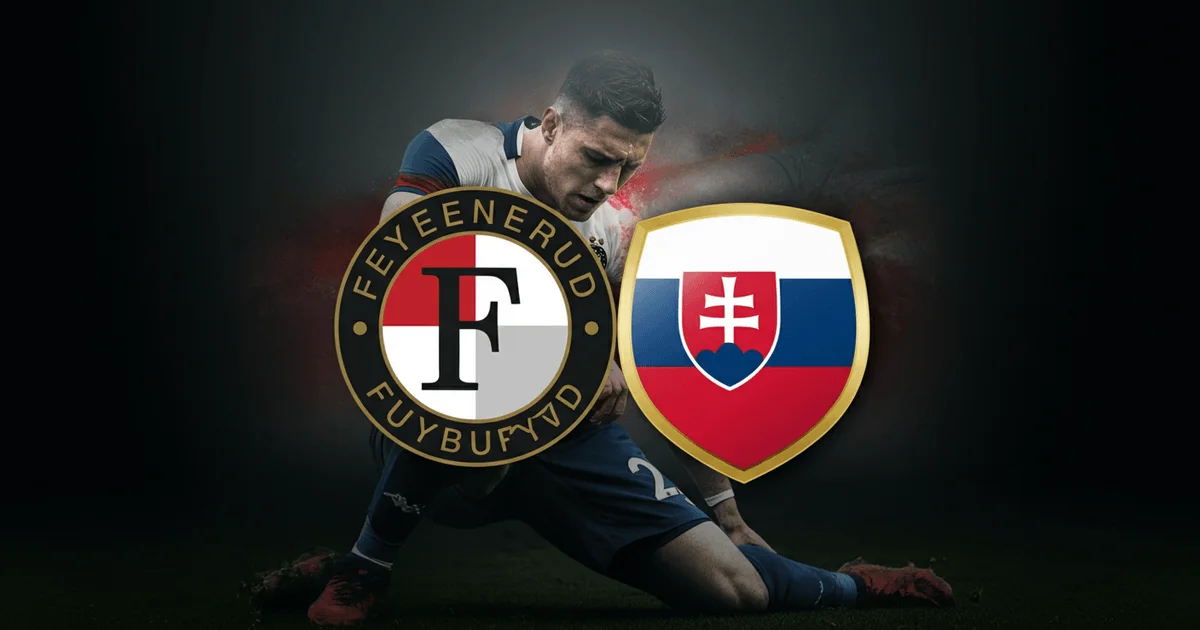
Feyenoord Demands Compensation from Slovakia After Player Injury
Dutch club Feyenoord is demanding financial compensation from the Slovakian Football Association following a season-ending injury to their striker, Leo Sauer. The incident occurred during the recent international break while Sauer was representing his national team. This situation has caused significant concern within Feyenoord, particularly because the club had explicitly warned the Slovakian FA about the player's fitness levels prior to his international appearance.
Ignoring Club Warnings
Leo Sauer, a promising young striker, suffered a muscle tear shortly before halftime during a match for Slovakia. This injury has unfortunately ruled him out for the remainder of the season. The club's frustration stems from the fact that they had communicated, both verbally and in writing, that Sauer was not in peak condition to start matches. Feyenoord had recommended that any playing time be strictly limited to a few minutes as a substitute, to manage his workload and prevent injury.
Despite these clear warnings, Slovakia's national coach, Francesco Calzone, opted to start Sauer in the game. This decision directly led to the unfortunate injury, sidelining a key player for Feyenoord at a crucial point in their season. The club views this as a direct disregard for player welfare and club interests.
Financial Demands and Broader Implications
Feyenoord is now actively working behind the scenes to reclaim Sauer's salary from the Slovakian Football Association. The financial burden of a highly-paid player being out for the season due to an injury sustained under circumstances the club tried to prevent is significant. This demand for compensation highlights a growing tension between football clubs and national federations regarding responsibility for player health and financial outlay.
Feyenoord's director, Dennis te Kloese, has reportedly expressed strong disapproval of the Slovakian FA's conduct. He has also taken steps to elevate this issue within European football circles, bringing it to the attention of various clubs. Many clubs share similar frustrations over what they perceive as a casual or indifferent approach by national teams towards player management and injury prevention. This incident is not isolated but rather emblematic of a recurring conflict where clubs invest heavily in player development and salaries, only to see their players potentially mishandled during international duty.
Key Issues in Club vs. National Team Disputes:
- Player Welfare: Clubs often prioritize long-term player health and career longevity, while national teams may prioritize immediate match results.
- Financial Responsibility: Who bears the cost of injuries sustained on international duty, especially when club warnings are ignored?
- Communication Breakdown: Inadequate or ignored communication between clubs and national FAs can lead to preventable injuries.
- Scheduling Conflicts: The demanding football calendar places immense physical strain on players, exacerbating injury risks during international breaks.
Feyenoord's head coach, Robin van Persie, also voiced his disappointment regarding Sauer's injury. While acknowledging the importance of the international match for Slovakia, he emphasized the significant impact on both the player and the club. Sauer had only recently begun to integrate into the team, and his absence now leaves a gap, forcing the club to rely on other options, such as Raheem Sterling, in the left-wing position. This situation underscores the direct operational challenges clubs face when key players are unexpectedly sidelined.
Moving Forward: A Call for Greater Accountability
The call for financial compensation by Feyenoord is more than just about one player's salary; it's a statement about accountability. Clubs are increasingly pushing for clearer protocols and greater responsibility from national football associations when it comes to managing players during international windows. This particular case involving Leo Sauer could serve as an important precedent, encouraging more stringent adherence to club recommendations and better collaboration between clubs and national teams to protect player assets. The ongoing discussions initiated by Te Kloese among European clubs suggest a collective desire for systemic changes to address these persistent issues.
Key Takeaways
- Feyenoord is seeking financial compensation from the Slovakian Football Association for striker Leo Sauer's season-ending injury.
- The injury occurred during international duty despite Feyenoord's explicit warnings about Sauer's fitness and recommended limited playing time.
- Slovakia's national coach reportedly ignored these warnings, opting to start Sauer in the match.
- Feyenoord's director is raising this issue with other European clubs, highlighting widespread frustration over national teams' player management practices.
- The incident underscores the ongoing tension and need for improved accountability and collaboration between clubs and national federations regarding player welfare.
— Editorial Team