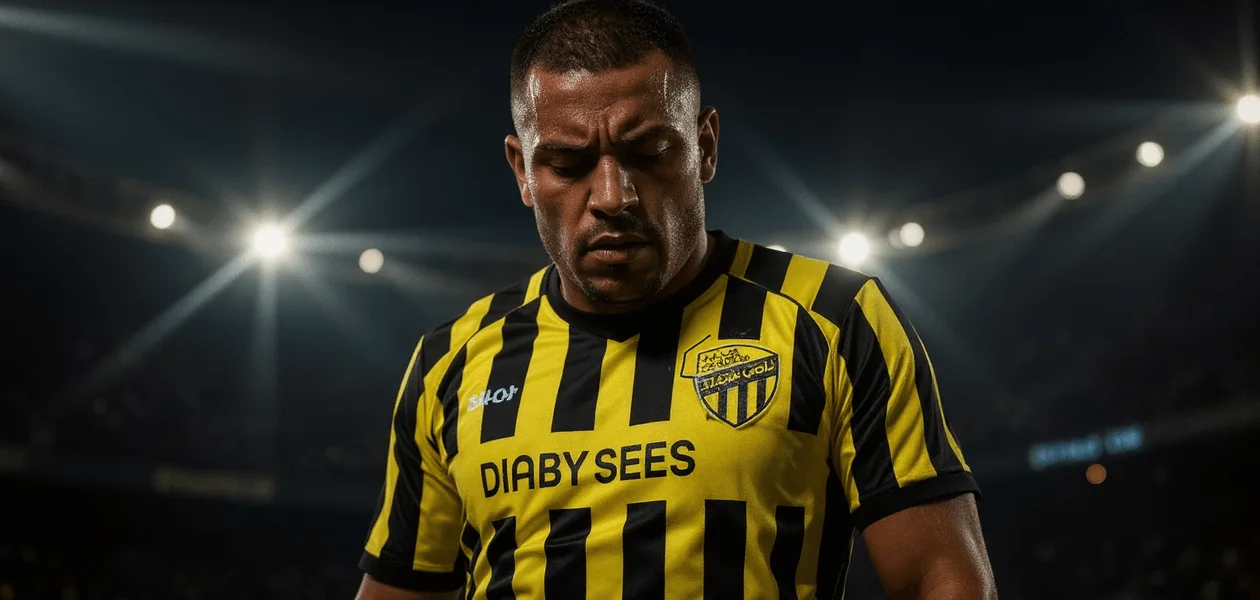
Moussa Diaby's Early Red Card Rocks Al-Ittihad's Saudi League Ambitions
Al-Ittihad's aspirations for a stronger finish in the Saudi Pro League took a significant hit on Thursday when star forward Moussa Diaby was sent off early in their crucial match against Al-Hazm. The incident, occurring in the 33rd minute of the Round 27 fixture, left the Jeddah giants playing with ten men for the majority of the game, forcing immediate tactical adjustments from manager Sérgio Conceição.
The Incident: From Yellow to Red
The pivotal moment unfolded when Diaby committed a violent foul on Al-Hazm's Abdulrahman Al-Dakhil. Initially, the referee showed Diaby a yellow card, seemingly a standard caution for the challenge. However, after consultation with the assistant referee – likely involving a VAR review, though not explicitly stated, it's common practice for such upgrades – the decision was overturned. The yellow card was rescinded, and a direct red card was issued, signaling a more severe assessment of the foul's nature. This meant an early exit for the French international, leaving his team in a precarious position.
This kind of refereeing intervention highlights the increasing scrutiny on player conduct in modern football. The initial on-field decision can quickly change with the aid of technology or additional officials, ensuring that serious infractions are penalized appropriately. For Al-Ittihad, it meant losing a key attacking threat and a numerical disadvantage that would shape the rest of the game.
League Implications and Tactical Challenges
Al-Ittihad entered this match aiming to climb the Roshen League table. Sitting in sixth place with 42 points, they were looking to close the gap on the top spots and secure a more favorable position. Al-Hazm, currently in tenth with 31 points, presented an opportunity for Al-Ittihad to gain crucial ground. Diaby's red card drastically altered the dynamics, turning a potential three-point gain into a struggle for survival.
Manager Sérgio Conceição faced an immediate and difficult challenge. Losing a player of Diaby's caliber, especially so early in the game, demands quick strategic thinking. Conceição would have to reconfigure his team's formation, balance defensive solidity with any remaining offensive threat, and manage player fatigue over the remaining 60-plus minutes. Playing with ten men often means sacrificing attacking prowess for defensive resilience, making it harder to break down an opponent, particularly one looking to exploit the numerical advantage.
The Ripple Effect of a Red Card
The impact of an early red card extends beyond just the current match. Player dismissals, especially for violent conduct, often lead to suspensions, meaning Diaby could miss subsequent important fixtures. This would further complicate Al-Ittihad's league campaign as they push for their objectives. The team's depth will be tested, and other players will need to step up to fill the void left by their key attacker.
For teams like Al-Ittihad, who have high ambitions in a competitive league, every point matters. An unexpected setback like this can affect team morale and momentum. The challenge for the coaching staff is not only to navigate the immediate game but also to manage the psychological and tactical fallout in the matches to come.
Key Takeaways
- Star Player Dismissal: Moussa Diaby, Al-Ittihad's French forward, received a direct red card in the 33rd minute against Al-Hazm.
- Referee Review: The decision was upgraded from a yellow to a red card after consultation with the assistant referee, highlighting modern officiating protocols.
- League Context: Al-Ittihad (6th, 42 points) was looking to improve its league standing, making the incident particularly damaging for their aspirations.
- Tactical Shift: Manager Sérgio Conceição was forced to make immediate tactical adjustments to cope with playing with ten men.
- Future Impact: The red card not only affected the ongoing match but also carries potential suspension implications for Diaby, impacting future games.
This incident serves as a stark reminder of how quickly fortunes can change in football and the profound influence individual moments can have on a team's season-long objectives. Al-Ittihad will need resilience and strategic depth to overcome this setback and continue their push in the Saudi Pro League.
— Editorial Team