Chelsea's Crisis Deepens as Fan Protests Grow and Champions League Dream Fades
The mood at Stamford Bridge is turning from frustration to resignation. Chelsea's defeat to Manchester United wasn't just another loss; it was the fourth consecutive Premier League game without a goal, a statistic that echoes a dismal record from over a century ago. As the team's performance falters, the supporters' voices are shifting from chants to silence, marking a profound disconnect between the club and its fanbase.
Before the match against United, a protest march swelled to over 500 people, a significant increase from earlier demonstrations. The message was clear: banners and flares targeted the current ownership, while nostalgic calls for the Roman Abramovich era highlighted a deep-seated discontent. The core grievance revolves around a perceived mismanagement of the club's direction and a squad model that many fans feel lacks the necessary experience to compete.
The Mounting Pressure on Ownership and Management
Head coach Liam Rosenior openly acknowledged the scale of the challenge, stating the team faces a 'mountain to climb' for Champions League qualification. Falling short of this minimum seasonal target would represent a major setback, both financially and in prestige. It would also be the third failure in four seasons under the Todd Boehly and Clearlake Capital ownership, a record that fuels the growing protest movement.
While anger is directed at the manager, a significant portion of criticism is reserved for the owners, Behdad Eghbali and Todd Boehly. The protestors' demands are multifaceted, but a central theme is the recruitment strategy. The ownership's model has focused heavily on acquiring young talent, a policy that co-owner Eghbali himself has hinted may need adjustment. In a recent statement, he conceded, 'We recognise we need balance. You tweak a model, you improve and you learn from mistakes.'
Key financial and regulatory pressures complicating any rebuild:
- The club has invested approximately £1.5 billion in player signings since the takeover.
- Despite recouping around £750 million through sales, they remain under UEFA's financial scrutiny and have faced fines for regulatory breaches.
- Missing the Champions League would severely impact revenue, further tightening the financial constraints on future spending.
A Divided Fanbase and a Quietening Stadium
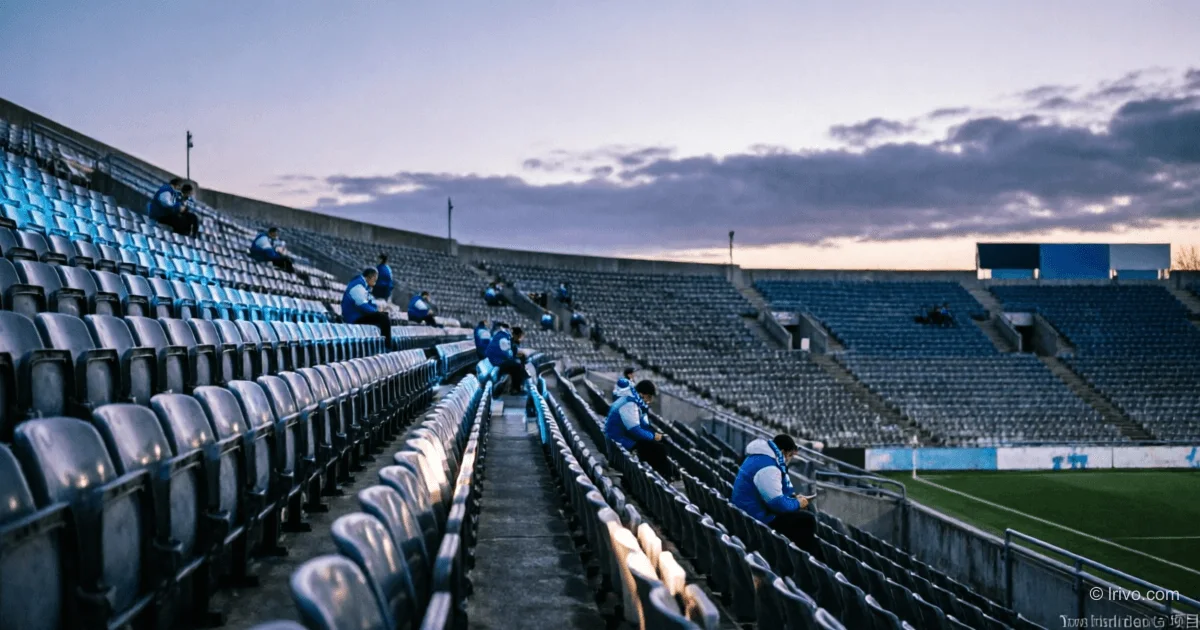
The protest movement, notably driven by younger supporters, is a visible sign of unrest. However, another worrying trend is emerging among the broader match-going crowd: apathy. The atmosphere inside Stamford Bridge is reportedly growing quieter with each game, with boos heard at the full-time whistle against United. This shift from vocal anger to quiet disengagement may be a more dangerous signal for the club's long-term health than the protests themselves.
Key Takeaways from Chelsea's Current Situation:
- Form Crisis: Chelsea is in a historically poor run of form, losing four league games without scoring a goal.
- Fan Discontent: Protests are growing in size and scope, targeting ownership and calling for a change in recruitment policy.
- Financial Strain: Missing Champions League qualification would exacerbate existing financial pressures and limit future squad investment.
- Strategic Doubts: Even the ownership acknowledges a potential need to 'tweak' their youth-focused model by adding experienced players.
- Atmospheric Decline: The stadium atmosphere is cooling, indicating a potential loss of core supporter engagement beyond the activist fringe.
The path forward for Chelsea appears fraught. Any rebuild or 'tweak' of the squad model is heavily dependent on securing Champions League football, a goal that now looks increasingly difficult. The growing quiet in the stands might soon speak louder than the chants in the streets.
— Editorial Team