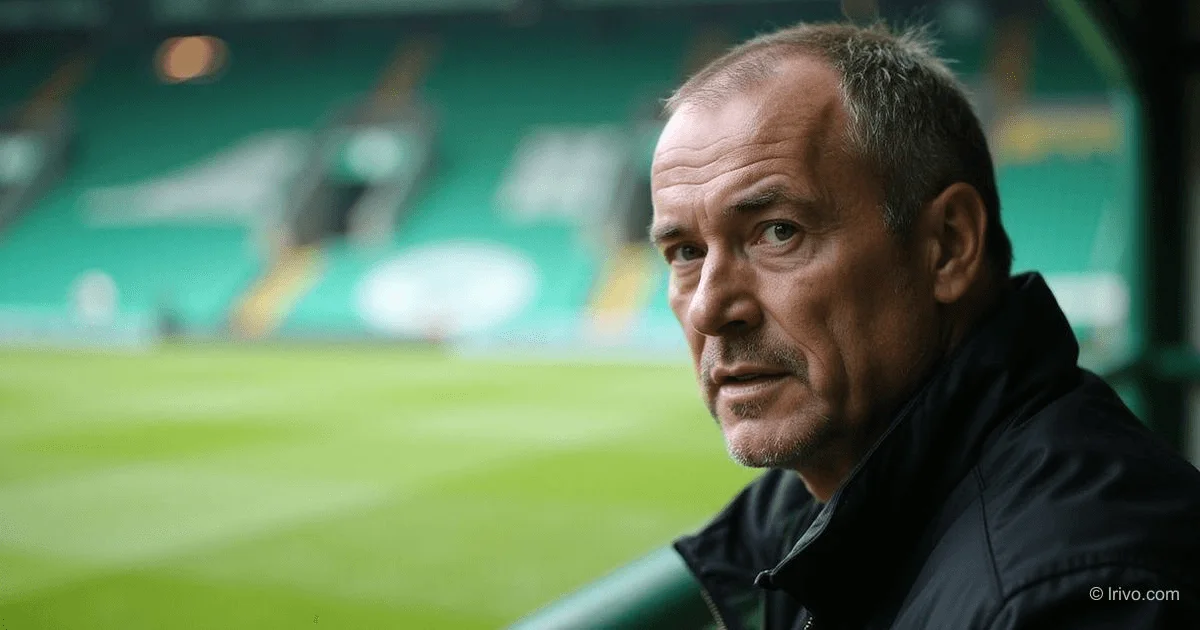
Celtic Secures Crucial Victory Against Dundee Amidst Managerial Reflection
Celtic clinched a vital 2-1 away win against Dundee, a result that manager Martin O'Neill described as hard-fought but ultimately deserved. The victory, secured by a late goal from Iheanacho, was pivotal for the team's ongoing campaign, despite periods of frustration over missed opportunities.
First-Half Frustration and Missed Chances
O'Neill expressed strong feelings about his team's performance, particularly during the initial stages of the match. Celtic started brightly, dominating play and creating a multitude of scoring chances. The manager noted that his side played "brilliantly in the first half" and lamented that they "should have got two, three or four" goals, rather than just the one they managed to score. This inability to convert early dominance into a comfortable lead set the stage for a much tenser second half than necessary. In football, failing to capitalize on early pressure often leaves a team vulnerable, and O'Neill clearly felt this potential pitfall.
This sentiment highlights a common challenge in top-tier football: converting chances. While creating opportunities is a positive sign, clinical finishing is what separates close games from decisive victories. For Celtic, a team with high aspirations, this efficiency in front of goal is a constant focus. The manager's immediate post-match reflection underscores the fine margins that define competitive football, where a single missed chance can drastically alter the game's momentum and outcome.
Dundee's Resurgence and The Decisive Moment
The match took a challenging turn for Celtic after Dundee was awarded a penalty. This decision not only leveled the score but also visibly boosted the home side's confidence. O'Neill observed that Dundee "got their tails up" following the equalizer, transforming the contest into a genuine battle. What had initially seemed like a straightforward path to victory for Celtic became a gritty struggle, requiring immense effort and resilience from his players. The manager admitted that the game became "really hard work" as Dundee pushed for a potential upset.
Despite the mounting pressure, Celtic demonstrated their resolve. They continued to carve out opportunities, refusing to succumb to the setback. It was during this tense period that Iheanacho stepped up, finding the back of the net to restore Celtic's lead. This late intervention proved decisive, securing all three points for the visitors. O'Neill acknowledged the relief and importance of that goal, emphasizing that his team "created another chance or two and Iheanacho puts one in the net." The ability to find a winner under duress speaks volumes about the team's character.
The Indispensable Role of Team Spirit
One of the most significant takeaways from O'Neill's comments was his emphasis on team spirit. He noted that while the team might have certain areas for improvement, their collective spirit is a powerful asset. He explicitly stated that "apart from a fortnight ago, we have shown some really great spirit." This underlying resilience allows them to navigate difficult matches, even when things aren't going perfectly on the pitch. While acknowledging that spirit alone isn't enough for sustained success, O'Neill stressed its critical role in moments of adversity.
For any team vying for silverware, mental toughness and unity are as crucial as technical skill. O'Neill's recognition of this quality suggests that Celtic possesses the internal drive needed to push through a demanding season. It's the kind of intangible factor that can turn potential draws or losses into crucial wins, especially when facing determined opponents or experiencing a dip in performance. The manager views this spirit as a fundamental component of their identity and a key factor in their continued fight.
Key Managerial Insights from O'Neill:
- Early Dominance: Celtic's strong start and creation of multiple scoring opportunities in the first half.
- Missed Chances: Frustration over the inability to convert more chances, making the game unnecessarily tight.
- Dundee's Response: The impact of Dundee's penalty, which revitalized their challenge and made the match a tougher contest.
- Decisive Goal: The importance of Iheanacho's winner in securing a vital three points.
- Team Spirit: O'Neill's belief in the squad's strong collective spirit as a crucial factor in overcoming adversity.
The Strategic Importance of Three Points
O'Neill was unequivocal about the necessity of securing victory against Dundee. In a league campaign where every point can be decisive, dropping points in such a fixture was simply not an option. He highlighted that Celtic "could not afford to drop points today," underscoring the high stakes involved. The three points gained from this match are not merely statistical additions; they are a significant boost to the team's morale and position in the standings. O'Neill believes this win will "galvanise us and keep us going" as they continue their pursuit of their objectives.
This kind of hard-fought victory often instills greater confidence and belief within a squad than a comfortable, dominant win. It proves that the team can grind out results even when not at their free-flowing best, demonstrating grit and determination. For Celtic, maintaining momentum and keeping pace with rivals is paramount, and this result ensures they remain firmly "in it" and "fighting on" for their seasonal goals. The manager's relief and emphasis on the win's importance reflect the intense pressure and competitive nature of top-flight football.
In conclusion, Celtic's narrow triumph over Dundee, though not without its moments of tension and concern for manager Martin O'Neill, delivered the essential three points. The match served as a testament to the team's resilience and the critical role of team spirit in overcoming adversity. As the season progresses, such hard-won victories will undoubtedly be looked back upon as defining moments in their quest for success.
— Editorial Team