Controversy Over Handball in Bayern's Goal Against Real Madrid
Bayern Munich stunned Real Madrid with a 2-1 win at the Santiago Bernabéu in the first leg of their Champions League quarter-final — but not without controversy. The debate centers on whether Michael Olise’s hand touched the ball before Luis Díaz scored Bayern’s opening goal, sparking furious protests from the Madrid players.
What Actually Happened on the Pitch?
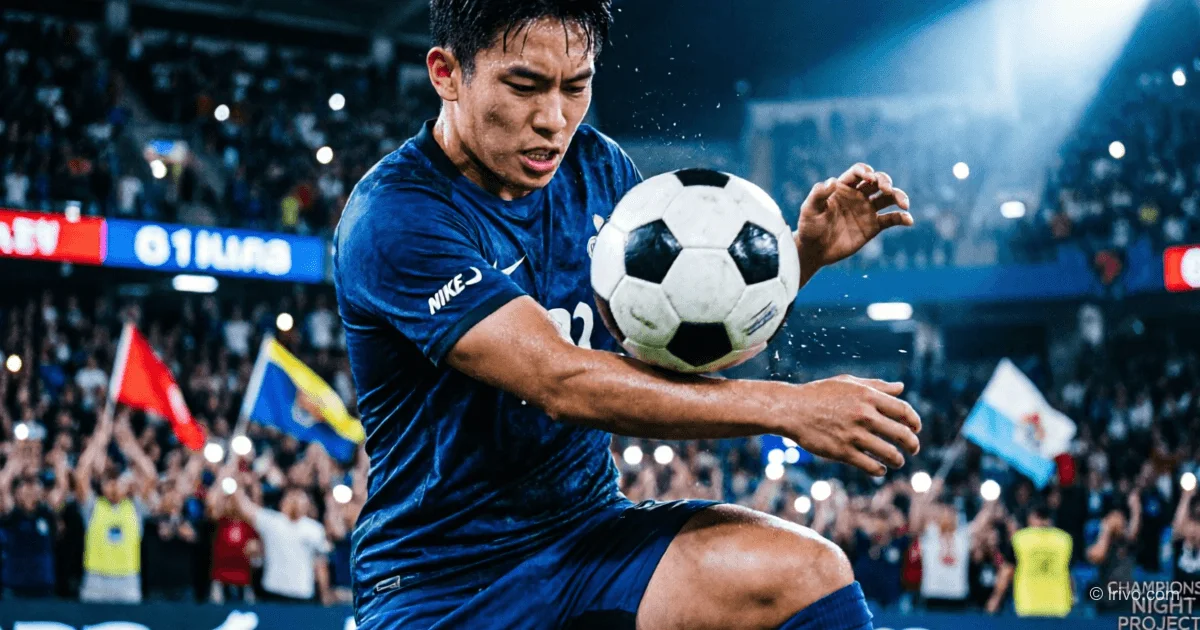
Early in the match, Vinícius Júnior attempted a pass that deflected off Michael Olise’s hand in midfield. The ball then broke to Luis Díaz, who finished clinically to put Bayern ahead. Real Madrid immediately surrounded referee Michael Oliver, demanding a handball review. No VAR intervention came, and the goal stood.
Former Spanish referee Iturralde González later backed Oliver’s decision, stating the contact was unintentional and Olise’s arm wasn’t extended unnaturally. According to current IFAB rules, accidental hand contact that doesn’t create an unnatural silhouette isn’t punishable — even if it leads directly to a goal.
Tchouaméni’s Suspension Adds to Madrid’s Woes
Beyond the disputed goal, Real Madrid suffered another blow: Aurélien Tchouaméni picked up a yellow card for tripping a Bayern attacker during a promising counter. Replays showed clear contact that halted a dangerous move, and Iturralde confirmed the caution was justified.
Because it was Tchouaméni’s third booking in the knockout phase, he’ll miss the second leg in Munich — a significant loss for Madrid’s midfield balance against a high-pressing Bayern side.
Why This Matters for the Return Leg
Real Madrid now face an uphill battle. They’ve lost at home in Europe for the first time since 2022 and must overturn a one-goal deficit without one of their key defensive midfielders. Historically, Madrid thrive in comebacks, but Bayern’s away goals give them leverage.
Key factors heading into the second leg:
- Tchouaméni’s absence weakens Madrid’s ability to shield the backline and transition through pressure.
- Bayern’s confidence is soaring after breaking a 25-year curse of never winning at the Bernabéu.
- Refereeing consistency will be under scrutiny — both teams know fine margins could decide the tie.
Separating Fact from Frustration
It’s easy to see why Madrid fans feel aggrieved. The handball led directly to a goal, and emotions ran high. But according to the letter of the law — and expert interpretation — no offense occurred. Intent matters, and Olise didn’t deliberately handle the ball.
Similarly, Tchouaméni’s foul wasn’t soft. He clearly impeded an opponent in a critical area. Accumulation suspensions are part of tournament football, and Madrid must adapt.
Key Takeaways
- Bayern Munich won 2-1 at the Bernabéu, their first victory there since 2001.
- A disputed handball by Michael Olise preceded Luis Díaz’s opening goal — but experts say it was legal.
- Aurélien Tchouaméni is suspended for the second leg due to yellow card accumulation.
- Real Madrid must score at least twice in Munich to advance without extra time.
- Referee decisions were technically correct under current Laws of the Game.
The return leg in Munich promises intensity, tactical adjustments, and possibly more drama. Madrid’s comeback pedigree is unmatched, but Bayern look sharper, hungrier, and finally unburdened by their Bernabéu hoodoo.
— Editorial Team