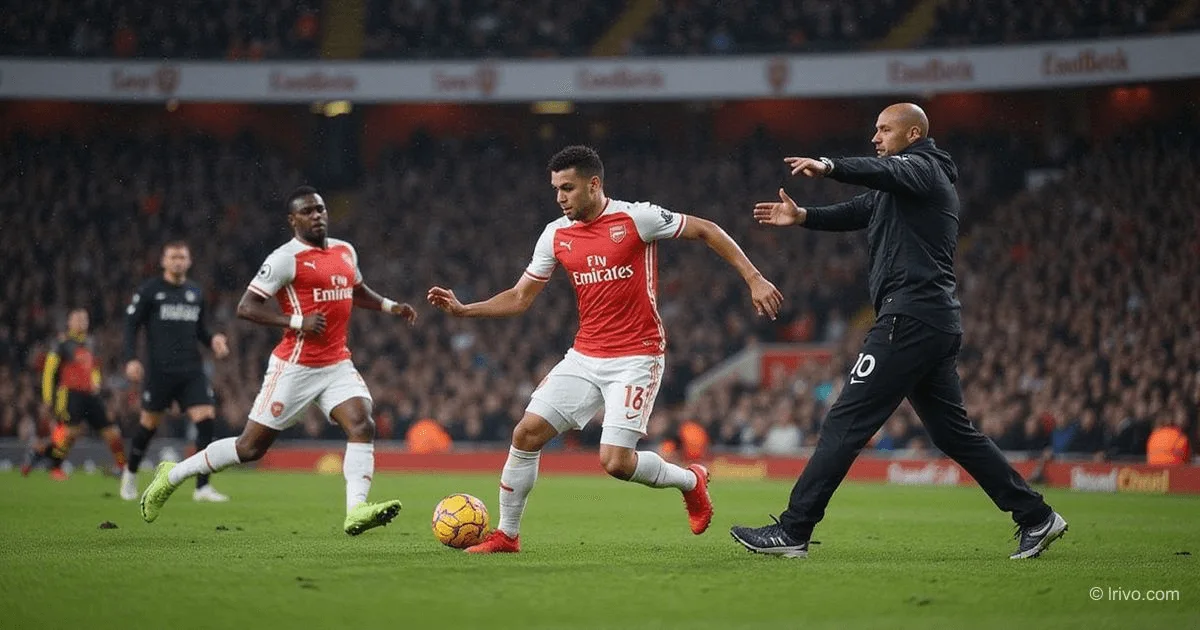
Arteta Defends Arsenal’s Injury Transparency Amid International Break Scrutiny
Arsenal manager Mikel Arteta has publicly reaffirmed the club’s commitment to full medical transparency after 11 of their players missed international duty during the April 2026 break — drawing questions about consistency and timing. Rather than dodging the issue, Arteta leaned into it: he confirmed all absences were based on legitimate, club-led medical assessments — not tactical rest or convenience. He stressed that Arsenal maintains open lines with national team staff, including England head coach Thomas Tuchel, and that every player’s availability status was communicated honestly and without exception.
This wasn’t just damage control. Arteta framed the situation as a reflection of Arsenal’s depth and responsibility — pointing out that having so many players selected for national squads is a point of pride, not a loophole. At the same time, he made it clear that when fitness is in doubt, the club won’t risk players just to meet external expectations. The decisions weren’t arbitrary; they were clinical, collaborative, and documented.
Why So Many Arsenal Players Sat Out?
It wasn’t a coordinated squad-wide rest day. Each case was assessed individually by Arsenal’s medical and performance teams. Here’s what we know from Arteta’s comments and official club statements:
- Gabriel, William Saliba, and Jurrien Timber were managing ongoing soft-tissue load management protocols — not acute injuries, but monitored recovery windows.
- Martin Ødegaard returned early from Norway duty due to fatigue-related muscular tightness flagged post-training.
- Declan Rice was ruled out of England camp after a minor hamstring strain flared during pre-break warm-ups — confirmed via MRI.
- Bukayo Saka withdrew after sustaining a mild ankle sprain in training two days before departure; he trained fully with Arsenal ahead of Southampton.
- Eberechi Eze, Leandro Trossard, Noni Madueke, and Piero Hincapie were all held back following recent minutes restrictions or subclinical inflammation markers detected in routine bloodwork and GPS data.
- Martin Zubimendi missed Spain duty due to a reactive knee response following his return from a previous knock — no structural damage, but precautionary load reduction applied.
None of these cases involved long-term injury diagnoses. All were managed conservatively, with timelines aligned to upcoming Premier League and FA Cup fixtures — especially the high-stakes Southampton clash and the looming semi-final.
What This Means for Arsenal’s Immediate Campaign
Arteta didn’t sugarcoat the stakes. With the FA Cup semi-final just two matches away — and the Premier League title race still mathematically alive — Arsenal can’t afford avoidable setbacks. That context explains why the club prioritised caution over optics.
He confirmed that several of the players named — notably Saka, Rice, and Ødegaard — are expected to start against Southampton. Others, like Saliba and Timber, remain probable but will be assessed up to 90 minutes before kick-off. The decision-making isn’t static: it’s responsive, data-informed, and calibrated to match intensity, opponent profile, and fixture congestion.
The broader message? Arsenal aren’t hiding behind medical jargon. They’re using modern sports science — not excuses — to protect investment, sustain performance, and honour competitive integrity. And while fans might groan at another ‘managed absence’, the club’s record shows fewer major injuries this season than in 2024/25 — suggesting their approach is working.
Key Takeaways
- Arsenal had 11 of 23 Premier League players who withdrew from international duty — the highest number across the league.
- All absences were medically validated and communicated transparently to national associations, per Arteta.
- No player was withheld for non-medical reasons — including rest, scheduling, or commercial considerations.
- Several key names (Saka, Rice, Ødegaard) are expected to feature vs Southampton — indicating short-term recoveries.
- The FA Cup remains a top priority, with Arteta explicitly naming Wembley as a target and acknowledging Southampton’s strong recent form.
Arteta closed by reiterating something easy to miss in the noise: honesty isn’t just about saying what’s true — it’s about acting consistently with it. Arsenal didn’t lobby, delay, or mislead. They assessed, communicated, and stood by their process. In an era where ‘load management’ often gets mocked as code for laziness, this was a rare moment of unambiguous operational clarity — backed up by results on the pitch. Whether other clubs follow suit remains to be seen. But for now, Arsenal’s medical department isn’t just keeping players fit — it’s earning trust, one honest update at a time.
— Editorial Team