The Arsenal Bottle Meme and Other Football Media Stories
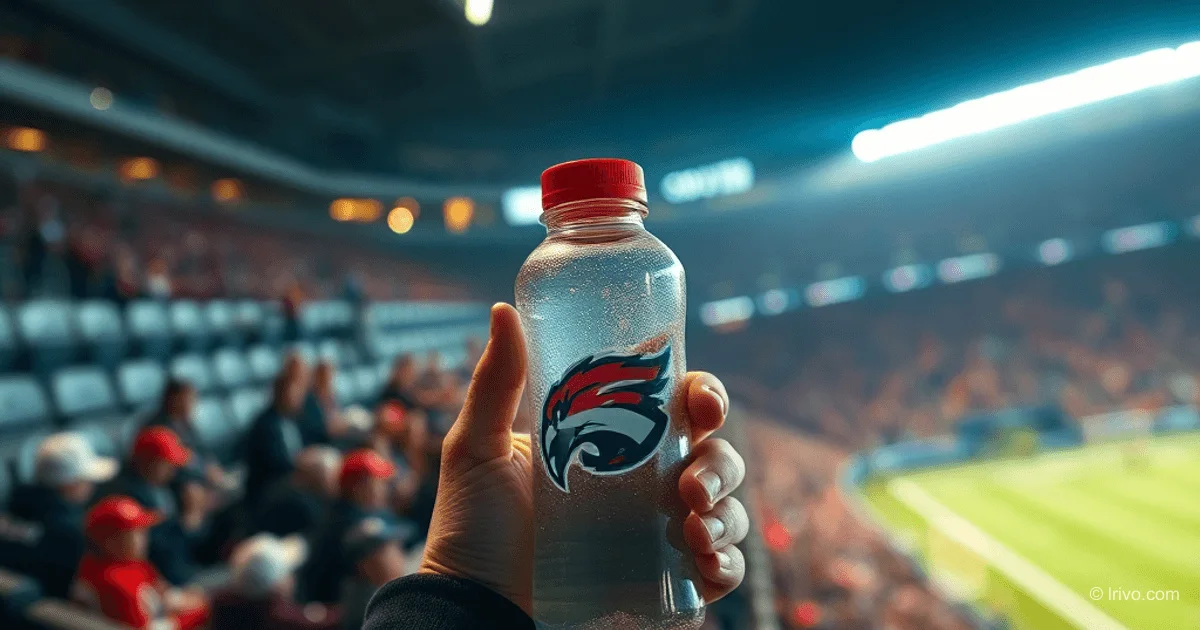
A Manchester City fan's viral gesture mocking Arsenal's title challenge has dominated football media, sparking discussions about meme culture and media coverage. The fan pretended to drink from an Arsenal-branded water bottle during a match, creating an instant social media moment that outlets widely described with dramatic language like 'trolls,' 'jibes,' and 'viral antics.' This incident highlights how fan banter evolves into mainstream news, especially during tense Premier League title races where narratives around 'bottling' pressure are amplified.
Meanwhile, former Arsenal goalkeeper Graham Stack continues sharing anecdotes from his time at the club, though headlines sometimes misleadingly label him an 'Invincibles star' despite his limited playing role. In transfer news, Borussia Dortmund defender Nico Schlotterbeck has signed a new contract, contrary to some headlines suggesting a Manchester United agreement. Media outlets also varied in their focus, with some prioritizing human-interest stories from leagues beyond the Premier League.
Media Coverage of Fan Banter
The bottle meme originated when a City fan humorously referenced Arsenal's perceived tendency to falter under pressure. Media descriptions often used intense terms, framing it as a 'troll' or 'jibe,' which reflects how fan interactions are sensationalized. The fan's action, captured on camera, quickly spread online, becoming a symbol of title-race tension. Interestingly, some reports noted the fan attempted to drink with the lid on, adding a layer of self-mockery to the meme.
This coverage underscores how social media moments influence football narratives, with outlets scrambling to analyze every angle. The meme's popularity shows the blend of humor and rivalry in modern fandom, where a simple gesture can spark widespread discussion. Mediawatch, a column critiquing football journalism, pointed out the repetitive language used, sighing at phrases like 'viral fashion' and 'antics.'
Key elements of the media reaction include:
- Use of dramatic vocabulary to describe fan behavior
- Emphasis on the 'viral' nature of the moment
- Attempts to explain the joke's context to audiences
- Integration of social media trends into traditional reporting
Other Football Media Highlights
Beyond the meme, several stories captured media attention. Graham Stack's tales from his Arsenal days, such as selling fake designer gear to teammates, were shared under headlines that sometimes overstated his role. While entertaining, these stories highlight how media can blur lines between fact and embellishment for clickable content.
In transfer news, Nico Schlotterbeck's contract renewal with Borussia Dortmund was reported, though some initial headlines omitted key details, making it seem like a move to Manchester United was imminent. This illustrates the challenge of accurate reporting in a fast-paced news cycle, where clarity can be sacrificed for engagement.
Media outlets also varied their football coverage, with some featuring stories from leagues like Paraguay's, focusing on a model and fan engagement. This diversity shows attempts to broaden football reporting beyond top European leagues, though it sometimes prioritizes human interest over on-pitch action.
Key Takeaways
- The Arsenal bottle meme demonstrates how fan banter becomes media fodder during high-stakes title races.
- Media language often sensationalizes social media moments, using terms like 'troll' and 'viral.'
- Headlines can be misleading, whether exaggerating a player's past role or omitting contract details.
- Football coverage ranges from transfer rumors to human-interest stories, reflecting varied audience interests.
- Critiques from columns like Mediawatch highlight repetitive or overblown reporting in football journalism.
— Editorial Team