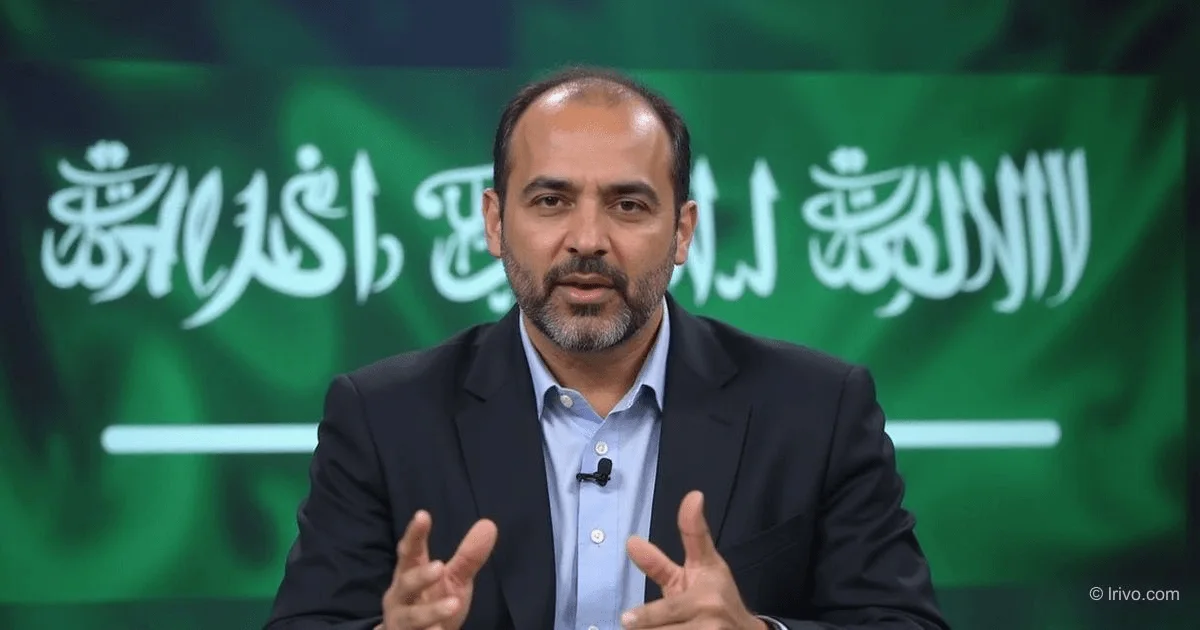
Saudi Pundit Walid Al-Faraj Defends Player Criticism, Igniting Football Debate
Prominent Saudi football analyst Walid Al-Faraj has sparked a fresh debate by robustly defending his critical remarks, particularly those aimed at Al-Nassr goalkeeper Nawaf Al-Aqidi. This controversy stems from Al-Aqidi's performance during the Saudi national team's significant 4-0 loss to Egypt, which brought the team's readiness into question.
Al-Faraj, known for his direct commentary, found himself facing intense backlash, especially from Al-Nassr fans, following his pointed observations about Al-Aqidi. The pundit's comments highlighted what he perceived as a disastrous showing by the goalkeeper, drawing a clear link between club form and national team performance. This incident has put the spotlight back on the scrutiny national team players face from both media and supporters.
Al-Faraj's Stance: Performance Over Personalities
Speaking on his show "Action with Walid," Al-Faraj clarified his position, insisting he doesn't target any specific player within the Saudi national setup. He explained that his criticism is reserved for players who make serious mistakes, a standard practice in professional football analysis. According to Al-Faraj, his critiques are based solely on on-field performance, regardless of the player's club affiliation.
He pushed back against claims of bias, stating he isn't afraid to speak his mind. Al-Faraj also addressed suggestions that he avoids criticizing Yasser Al-Misehal, the president of the Saudi Arabian Football Federation, pointing out that Al-Misehal already receives widespread criticism from various quarters. This defense underscores Al-Faraj's view of his role as an impartial, performance-focused commentator in the often-heated world of football punditry.
Al-Faraj's comments suggest a broader concern about the state of local talent and their development. He believes that for Saudi players to truly serve the national team effectively, they need consistent playing time and opportunities to grow. The pundit implies that clubs play a crucial role in nurturing this talent, which then directly impacts the national squad's capabilities.
Al-Nassr's Impact on Player Potential
In a related discussion, Al-Faraj touched upon Al-Nassr's recent victory over Al-Najma. While acknowledging Al-Nassr's strong performance, he also noted that Al-Najma played well, suggesting the final score didn't fully reflect the match dynamics. More significantly, he highlighted how Al-Nassr has seemingly unlocked the potential of Abdullah Al-Hamdan, who is now performing at a high level.
Al-Hamdan's current form with Al-Nassr stands in contrast to his previous tenure with Al-Hilal. Al-Faraj used this as a prime example to illustrate his point: local players require regular, impactful playing opportunities to develop and reach their full potential. This development, in turn, is essential for strengthening the Saudi national team.
Here are some key points from Walid Al-Faraj's recent statements:
- Criticism is performance-based: He only criticizes players for serious on-field errors.
- No specific targeting: He does not aim at individual players or clubs.
- Impartiality: His commentary is not influenced by club loyalties or fear.
- Player development: Local players need regular game time to reach national team standards.
- Al-Nassr's positive influence: The club has successfully developed players like Abdullah Al-Hamdan.
The ongoing debate around Al-Faraj's comments underscores the intense passion and scrutiny surrounding Saudi football. It highlights the delicate balance between media criticism, fan loyalty, and the ultimate goal of improving the national team's performance on the international stage. These discussions are crucial for identifying areas of improvement and fostering a competitive football environment.
Key Takeaways:
- Punditry Under Fire: Walid Al-Faraj faced criticism for singling out Al-Nassr's Nawaf Al-Aqidi after a poor national team showing against Egypt.
- Defense of Impartiality: Al-Faraj asserts his critiques are solely based on serious performance errors and are not biased towards specific clubs or individuals.
- National Team Concerns: The discussion points to broader issues regarding the readiness and performance of Saudi national team players.
- Importance of Playing Time: Al-Faraj emphasized that local players, like Abdullah Al-Hamdan at Al-Nassr, thrive with consistent game time, which is vital for national team development.
- Media Scrutiny: The incident highlights the significant pressure and media attention on Saudi football players and their contributions to both club and country.
— Editorial Team