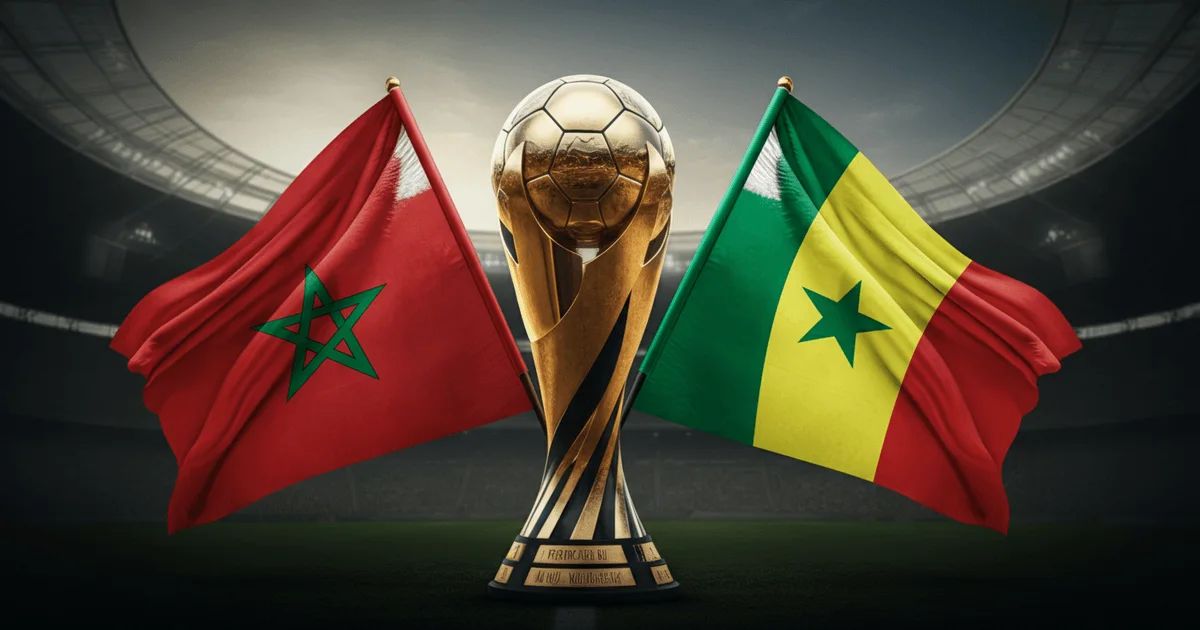
AFCON Final Fallout: Morocco-Senegal Dispute Heads to International Court
African football is currently grappling with a significant dispute stemming from the recent Africa Cup of Nations (AFCON) final between Morocco and Senegal. What initially seemed like a match-day controversy has escalated into a complex legal and diplomatic battle, drawing in international sports bodies and threatening to reshape the continent's football landscape. The core of the issue revolves around a contentious final match, the details of which are now under scrutiny by the Court of Arbitration for Sport (CAS).
This isn't just about who lifts a trophy; it's a deep-seated conflict that has ignited strong reactions from both nations and the wider football community. With CAS now involved, the decision will set a major precedent for how such high-stakes disputes are handled in African football and beyond.
The Legal Battle and CAS Intervention
The controversy began during the final minutes of the AFCON championship match, leading to an immediate and unresolved dispute between the Moroccan and Senegalese football federations. Senegal subsequently appealed to the Court of Arbitration for Sport, the highest judicial body in sports. CAS has accepted Senegal's appeal, effectively putting the final decision on the championship title on hold.
Both national teams, their federations, and fans are now awaiting a definitive ruling from CAS. This legal process introduces a new layer of complexity, as the court's decision will not only determine the legitimate champion but also potentially influence future regulations and dispute resolution mechanisms within African football. This situation highlights the growing importance of legal frameworks in resolving sporting disagreements, particularly when national pride and significant financial implications are at stake.
Expanding Tensions Beyond the Pitch
The dispute has quickly transcended the boundaries of a simple sporting disagreement. It's now affecting international relations within football, demonstrated by Morocco's consideration of a formal complaint against the French Football Federation (FFF). This potential complaint stems from the FFF's decision to allow the Senegalese team to celebrate their perceived victory during a friendly match held in Saint-Denis, France.
This move indicates a broader concern from the Moroccan side about perceived biases or actions by other federations that might influence the ongoing dispute or legitimize one side's claim over the other. Such actions risk dragging more parties into the conflict, turning a continental football matter into an international incident with diplomatic undertones. The situation underscores how deeply intertwined sports, national identity, and international politics can become.
Here are some key aspects of the escalating dispute:
- CAS Involvement: The Court of Arbitration for Sport is the central arbiter, with its upcoming decision holding immense weight.
- Inter-Federation Conflict: Morocco's potential complaint against the FFF signals a widening scope of the dispute beyond the two competing nations.
- Reputational Impact: The ongoing uncertainty and legal wrangling could damage the image of African football on the global stage.
- Precedent Setting: The final resolution will establish a significant precedent for how future high-profile football disputes are managed across the continent.
The Broader Implications for African Football
The ongoing crisis has sent ripples throughout the African football community. Many players, coaches, and administrators are reportedly keeping a low profile, wary of getting entangled in such a sensitive issue. This silence itself speaks volumes about the potential ramifications for individuals and organizations alike. The outcome of this dispute will undoubtedly mark a turning point for African football, which has long aimed to match the organizational standards and global appeal of its European and South American counterparts.
Historically, African football has faced challenges ranging from infrastructure limitations to governance issues. This current legal and political standoff adds another layer of complexity, potentially hindering progress towards greater professionalism and international recognition. The way this dispute is ultimately resolved will be closely watched, as it will signal the maturity and robustness of African football's administrative and legal systems.
Ultimately, the final decision from CAS will extend far beyond merely naming a champion. It will shape perceptions of fairness, governance, and stability within African football for years to come. The goal is to move past such conflicts and focus on developing the sport, but this current situation serves as a stark reminder of the deep-seated issues that can emerge at the highest levels of competition.
Key Takeaways
- The AFCON final between Morocco and Senegal has led to an unprecedented legal battle before the Court of Arbitration for Sport (CAS).
- CAS's ruling will determine the rightful champion and set a major precedent for future disputes in African football.
- The controversy has spilled over into international football diplomacy, with Morocco considering a complaint against the French Football Federation.
- The dispute highlights significant governance challenges and the potential for political friction within the African football community.
- The resolution will have long-lasting implications for the reputation and development trajectory of football across the African continent.
— Editorial Team