The Athlete's Guide to Optimizing Sleep for Recovery
For athletes at every level, success is built on a foundation of optimal preparation and recovery, with sleep widely recognized as the single most important recovery strategy available . Yet despite its critical role in repairing muscle tissue, consolidating memory, and regulating immune function, sleep is often the most neglected pillar of athletic performance. This guide provides a comprehensive, evidence-based roadmap for understanding how to optimize sleep for athletic performance, drawing on the latest sports science and sleep medicine to help you recover faster and compete stronger.
Sleep is the most critical recovery tool for athletes, yet many operate on a significant sleep deficit, averaging under 7 hours per night when they need 8-10. The most effective strategy is a combined approach of individualized sleep hygiene education and targeted sleep extension, supported by a multidisciplinary team and actionable environmental changes. Prioritizing sleep for 2 nights before an event can yield more sleep cycles and superior recovery .
The Athletic Sleep Deficit: Understanding the Problem
The demands of elite and amateur sport often run directly counter to healthy sleep. A review of 12 studies of Olympic athletes found the mean sleep duration across pooled data was just 6 hours and 10 minutes . In collegiate athletes, while the average sleep was slightly higher at 7 hours and 4 minutes, research indicated they actually required an average of 7 hours and 58 minutes to maintain health-related quality of life . A survey of 175 elite athletes found a significant disconnect, with only 3% stating they regularly get enough sleep to satisfy their needs, resulting in an average self-assessed sleep deficit of roughly 60 minutes per night .
Why Athletes Struggle to Sleep
Athletes face a unique convergence of factors that impair sleep quality and duration . Understanding these obstacles is the first step in learning how to optimize sleep for athletic performance.
- Physiological Stress: Muscle soreness, pain from injury, and systemic inflammation from intense training can disrupt sleep architecture and increase wakefulness .
- Psychological Stress: Pre-competition anxiety is a major culprit. A survey of 283 elite athletes found that 64% reported worse sleep than normal before a competition, with 82.1% citing increased sleep latency driven by "thoughts about the competition" .
- Scheduling and Environment: Early morning training, late-night games, and frequent travel are disruptive. Late-night competition can delay sleep onset, while early training enforces earlier wake times, shortening sleep duration . Exposure to light from training or screens can also suppress melatonin production, stimulating wakefulness when the body should be winding down .
- Nutritional Factors: Caffeine, a common ergogenic aid, has a half-life of 4-6 hours. Consuming it too close to bedtime inhibits the binding of adenosine, the compound that builds sleep pressure . Similarly, alcohol, while often perceived as a sleep aid, fragments sleep architecture and prevents you from reaching the restorative deep sleep stages .
Step 1: Quantify and Monitor Your Sleep
You cannot manage what you do not measure. While self-reported sleep is common, studies show significant differences between subjective reports and objective measures like actigraphy (wearable devices), with limits of agreement spanning roughly two hours . To accurately gauge your sleep, it is advisable to take objective measurements where possible. The use of wearable sleep trackers, when validated, can provide actionable data on sleep duration, efficiency, and latency.
Based on the data, a common goal is to extend sleep by adding 30 minutes each night until you reach the optimal length of 8-10 hours . Establishing consistent sleep and wake patterns, even on weekends, helps maintain a robust circadian rhythm.
Step 2: Master Sleep Hygiene—The Non-Negotiable Habits
Sleep hygiene refers to the promotion of habits that facilitate sleep and the avoidance of behaviors that inhibit it . Improving the sleep hygiene of athletes can result in increased sleep duration, efficiency, and decreased sleep latency. While general rules apply, approaches to sleep hygiene education should be individualized where possible, with a collaborative process involving the athlete and coach .
| Sleep Hygiene Domain | Actionable Strategy | Why It Works |
|---|---|---|
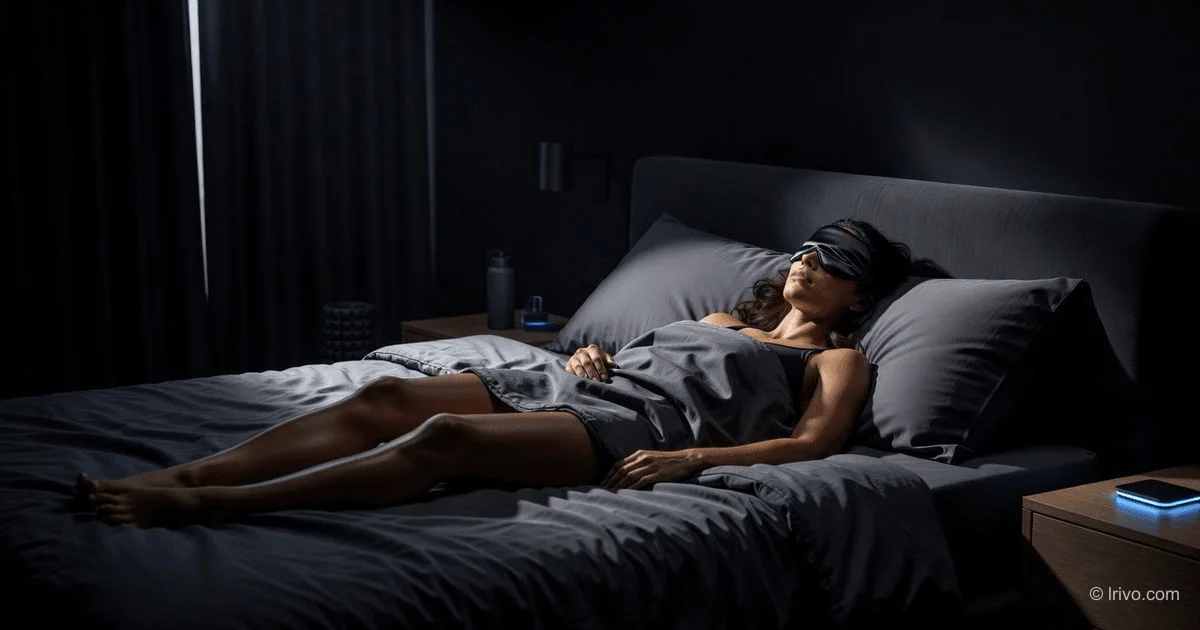
| Environment | Keep the bedroom cool (around 68°F), dark, and quiet. Consider blackout curtains and white noise machines . | A cool room helps lower core body temperature, a key signal for sleep onset . Darkness prevents the SCN from inhibiting melatonin release . |
| Light Exposure | Avoid blue light from screens (phones, laptops) for at least 30 minutes before bed . Upon waking, expose your eyes to bright sunlight to suppress melatonin and reset your circadian clock . | Blue light tricks the brain into thinking it is still daytime, delaying melatonin production and making it harder to fall asleep. |
| Nutrition Timing | Limit caffeine consumption at least 6-8 hours before sleep. Avoid large, heavy meals close to bedtime . | Caffeine's long half-life means it can linger in your system. Digestion is an active process that can keep the brain alert if it occurs too close to sleep onset . |
| Pre-Sleep Routine | Develop a wind-down period (e.g., reading, light stretching, meditation) to lower arousal levels . | A consistent routine signals to your brain that it is time to transition from a state of high alert to one of rest. |
Step 3: Harness the Power of Sleep Extension and Nutritional "Sleep Promoters"
Sleep Extension: If you are consistently getting less than the recommended amount, you are likely operating with a sleep debt. Sleep extension protocols—simply aiming for longer time in bed—are a proven strategy to improve performance markers like speed and accuracy . The goal is to progressively increase total sleep time to match or exceed individual needs, which research suggests sits around 8.3 hours for many athletes .
Nutritional "Sleep Promoters": Certain foods and supplements can act as sleep promoters.
- Tryptophan-rich foods are precursors to serotonin and melatonin. Include meat, fish, poultry, dairy, beans, and leafy greens in your diet .
- Tart Cherry Juice is a natural source of melatonin and has been shown to improve sleep quality in some studies .
- Supplementation: Melatonin supplements can be a useful tool, particularly for regulating sleep-wake cycles disrupted by travel . Magnesium supplementation (specifically glycinate or L-threonate) has been linked to lower cortisol and a calming effect on the central nervous system .
⚠️ While dietary supplements like melatonin and magnesium are generally well-tolerated, it is critical to consult with a sports medicine physician or registered dietitian before adding them to your routine. The NCAA and WADA have strict guidelines on banned substances, and individual needs can vary significantly.
Step 4: Navigate Travel and Jet Lag with a Team-Based Approach
Travel, especially across time zones, is a significant disruptor to an athlete's sleep. The key to mitigating jet lag is to adjust to the destination's time zone as quickly as possible.
- The Team Approach: A cohesive, multidisciplinary team is essential for delivering consistent, evidence-based sleep management . This includes sports scientists to monitor load, dietitians to manage nutrition, psychologists to address pre-sleep anxiety through methods like CBT-I (the gold-standard treatment for insomnia), and physicians to screen for underlying sleep disorders . This collaborative model ensures that the athlete receives a unified message and tailored interventions .
- Jetlag Strategy: For eastbound flights (which are generally harder to tolerate), begin shifting your sleep-wake schedule forward 3-4 days before travel. On the flight, stay hydrated, avoid caffeine, and behave according to the destination's time . Upon arrival, seek natural light to help reset your internal clock . A short nap (20 minutes or less) can help, but avoid long naps that will disrupt your night's sleep.
Frequently Asked Questions
Q: Can I "catch up" on sleep during the weekend? A: While a weekend lie-in can help alleviate short-term sleep debt, it is not a substitute for consistent, nightly sleep. To optimize recovery and performance, the goal should be to maintain a relatively consistent sleep-wake schedule seven days a week to support your natural circadian rhythm .
Q: Is napping beneficial for athletic recovery? A: Yes, short "power naps" of 20 minutes or less can be a valuable recovery tool, particularly after a training session or when sleep the previous night was disrupted. However, avoid napping too close to your primary bedtime, as this can increase sleep latency and reduce your ability to fall asleep .
Q: How does sleep affect injury risk? A: Poor sleep quality is associated with a higher risk of injury. Sleep deprivation can impair coordination, reaction time, and decision-making, making athletes more prone to accidents. Additionally, inadequate sleep reduces tissue repair and increases inflammation .
Q: Should I use a sleep tracker? A: A sleep tracker (actigraph) can be a useful tool for identifying patterns and providing objective data on your sleep duration and efficiency. However, you should use the data as a guide, not a definitive diagnosis. For complex sleep issues, professional polysomnography in a sleep lab is the gold standard .
Q: How many hours of sleep do I need to be a better athlete? A: While the general recommendation is 7-9 hours for healthy adults, athletes are advised to aim for 8-10 hours to support the physical and cognitive demands of training and competition. The key is to find your individual optimal duration, which many experts place around 8.3 hours for athlete satisfaction .
— Editorial Team