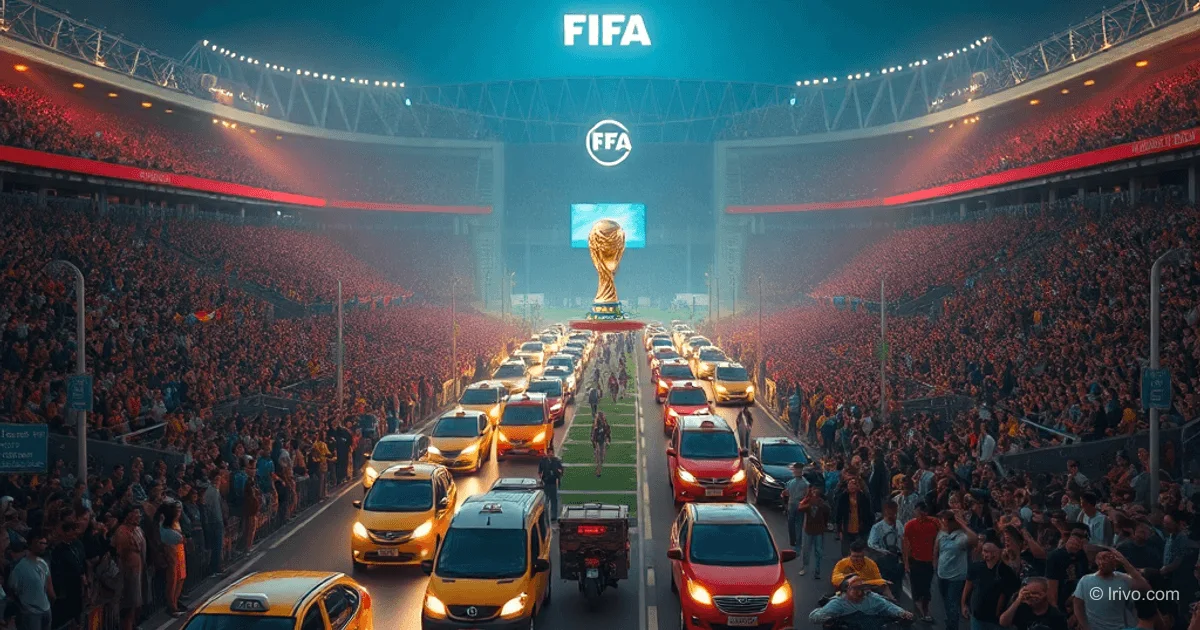
FIFA Fights Back Against World Cup Price Gouging Accusations
FIFA’s finally talking — and not in the polite, corporate way you’d expect. After weeks of being hammered in the press for sky-high ticket prices, Trump associations, and now insane transport costs, they’ve dropped the silent treatment and started swinging back. This isn’t damage control. It’s a full-on counterattack aimed at shifting blame to host cities and protecting their brand before kickoff.
Why FIFA Broke Its Silence
They’ve always played the long game: ignore the noise, let controversies fade. But this time? Too many headlines, too much public anger. The tipping point seems to have been two things: first, fans blaming them for banning tailgating (which they didn’t actually ban), and second, train tickets from NYC to MetLife Stadium jumping from $13 to $150 roundtrip. That’s not inflation — that’s highway robbery with a whistle.
FIFA’s response was unusually direct. On social media, they clarified they don’t ban tailgating — local safety rules do. Then their Chief Operating Officer, Heimo Schirgi, publicly slammed New Jersey Transit’s pricing model, calling it a “chilling effect” that’ll push fans toward cars, cause traffic chaos, and kill the economic upside of hosting games. Translation: Don’t blame us. Blame the cities trying to cash in.
The Real Battle Behind the Headlines
This isn’t just about train fares or BBQs in parking lots. It’s a power struggle between FIFA and local governments over who controls the fan experience — and who pays for it. New Jersey’s Governor Mikie Sherrill fired back, saying FIFA should subsidize transit since they’re the ones profiting from the event. She refuses to make locals foot the bill through taxes. Boston’s doing something similar, hiking fares from $20 to $80. Meanwhile, Philadelphia’s keeping it cheap at $2.90 and even offering free rides home after matches.
What’s fascinating is how inconsistent the approach is across host cities. Some are treating fans like guests. Others are treating them like ATMs. FIFA’s caught in the middle — if they side with fans, they risk alienating city officials right before the tournament. If they stay quiet, they look greedy and out of touch. Their sudden PR offensive suggests they’ve chosen the lesser evil: fight publicly, shift blame, and hope fans remember the goals more than the gouging.
Here’s what’s really happening behind the scenes:
- Local governments see the World Cup as a revenue generator, not just a global event. They’re adding fees, security surcharges, and “convenience” markups everywhere.
- FIFA’s legacy strategy is under threat. Past tournaments in Russia and Qatar offered free transit to ticketholders. Breaking that precedent makes them look worse by comparison.
- Fan backlash is louder and more organized. Social media amplifies every complaint — tailgating bans, $11K final tickets, $150 train rides — turning isolated gripes into global narratives.
- Corporate sponsors are watching closely. If the fan experience tanks, so does brand value. FIFA can’t afford perception to become reality.
What This Means for Fans and Cities
If you’re planning to attend a match in New Jersey or Boston, brace yourself. Unless political pressure forces a U-turn, you’re paying those inflated prices. FIFA’s statements won’t magically lower fares — but they might create enough embarrassment to get cities to offer discounts or subsidies closer to kickoff. Watch for emergency press releases in late May.
For other host cities, this is a warning. Philadelphia’s low-cost, fan-friendly approach is suddenly looking like the gold standard. Expect FIFA to quietly push other cities to follow suit — or at least cap prices. They need this tournament remembered for Messi’s successor breaking records, not for bankrupting families just to get to the stadium.
The deeper issue? FIFA built its brand on “football for everyone.” But “everyone” doesn’t include people priced out by $150 train tickets. Their sudden willingness to speak out shows they know it. Whether they’ll actually fix it — or just spin it — remains to be seen.
Key Takeaways
- FIFA broke its traditional silence because fan anger reached a boiling point — especially around transport costs and misunderstood policies like tailgating.
- Host cities like New Jersey and Boston are hiking prices dramatically, while others like Philadelphia are keeping transit affordable or even free.
- This is a strategic PR move by FIFA to protect its image and shift financial responsibility back to local governments before the tournament begins.
- Fans attending games in high-cost cities should budget extra — unless public pressure forces last-minute price cuts.
- The inconsistency in fan experience across host cities could hurt FIFA’s global reputation and legacy goals for the 2026 World Cup.
— Editorial Team