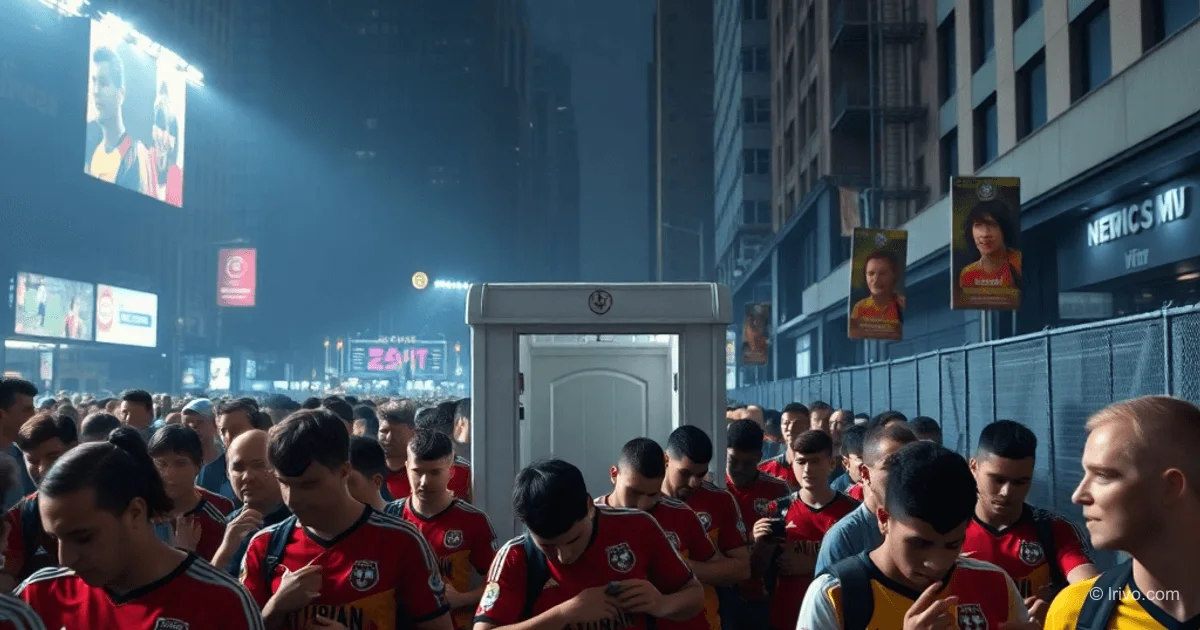
NYC Scrambles to Fix Bathroom Crisis Before World Cup Crowds Arrive
New York City is racing against the clock to solve a glaring infrastructure problem: there aren’t enough public restrooms for locals, let alone the 1.2 million soccer fans expected to flood the region during the 2026 FIFA World Cup. With kickoff at MetLife Stadium just weeks away on June 13, officials are scrambling to map existing facilities, draft emergency legislation, and install temporary toilets — all while trying not to embarrass the city on the global stage.
The Numbers Don’t Lie
Right now, NYC has roughly one public bathroom for every 8,500 residents. That’s already a crisis on a regular Tuesday. Multiply that pressure by international crowds, jetlagged tourists, beer consumption, and midsummer heat — and you’ve got a recipe for long lines, frustrated fans, and potential public health issues. Lawmakers aren’t mincing words: this isn’t just about convenience. It’s about basic human dignity in one of the world’s most famous cities.
City Council members introduced a bill last week demanding a formal expansion plan by June 1. The goal? Identify high-traffic zones — think Bryant Park, Times Square, transit hubs — and deploy portable restrooms where they’re needed most. Officials from the Department of Small Business Services are also mapping every park toilet and public facility they can find, hoping an online directory will at least point people in the right direction.
Transit Woes Add to the Pressure
Getting to the games won’t be easy either. Penn Station — already notorious for its confusing layout and overcrowding — will serve as the main funnel for fans traveling via New Jersey Transit to MetLife Stadium. And it’s not just about space. Recent fare hikes in New Jersey have sparked backlash, with critics saying local commuters and visiting fans are being forced to foot the bill for budget shortfalls. When you combine packed trains, confusing signage, and no bathrooms at your destination, the fan experience could turn sour fast.
High-profile matchups like Brazil vs Morocco and Panama vs England will draw massive global audiences — both in person and on broadcast. The final, set for July 19 in the same stadium, will be the ultimate test. If the city can’t handle basic sanitation and transit logistics by then, it risks becoming a meme instead of a model host.
Small Businesses Caught in the Crossfire
It’s not all doom and gloom. Officials are trying to turn the crisis into an opportunity. A new initiative aims to promote local small businesses during the tournament, ensuring food carts, corner stores, and neighborhood bars don’t get drowned out by corporate sponsors or stadium concessions. The idea? Fans might not find a public loo on every block, but maybe they’ll duck into a bodega, buy a drink, and use the backroom bathroom — if the owner says yes.
Still, relying on goodwill isn’t a scalable solution. Council Majority Leader Shaun Abreu put it bluntly: “No one should have to cut their day short because they can’t find a bathroom in a global city like New York.” His point hits home — this isn’t just a World Cup problem. It’s a daily reality for New Yorkers, and the tournament is merely exposing a long-ignored flaw in urban planning.
What’s Being Done — And What’s Not
Here’s what the city claims it’s doing:
- Mapping all existing public restrooms in parks and plazas
- Drafting legislation to mandate expansion plans before June 1
- Installing temporary facilities near major event zones
- Promoting small business partnerships to ease pressure
But here’s what’s still missing:
- No clear count of how many new restrooms will actually be installed
- No guarantee temporary units will be clean, safe, or well-maintained
- No coordinated effort with NJ Transit to add facilities at key rail stations
- No public dashboard showing real-time restroom availability or wait times
Key Takeaways
- NYC has one public bathroom per 8,500 residents — wildly insufficient for World Cup crowds.
- Legislation demands a formal expansion plan by June 1, targeting high-traffic fan zones.
- Penn Station’s overcrowding and recent fare hikes compound the logistical nightmare.
- Small businesses are being enlisted as unofficial relief points — a stopgap, not a fix.
- The issue reflects deeper failures in urban infrastructure, not just event planning.
The bottom line? New York has two months to avoid becoming the butt of every World Cup joke. Officials know the stakes. The world will be watching — and so will every fan desperately searching for a toilet after three beers and a 90-minute match.
— Editorial Team