MotoGP Format: How the Premier Class of Motorcycle Racing Works
From free practice to Sunday's race: a step-by-step breakdown of a MotoGP weekend. How the classes differ, how points are awarded, and what concessions are for newcomers.
The Basics: What You Need to Know
MotoGP is not just motorcycle racing—it's a complex sports ecosystem with a multi-tiered class structure, a unique points system, and special rules for teams with varying levels of competitiveness. The FIM Road Racing World Championship includes three main classes: MotoGP itself, Moto2, and Moto3. The 2026 season consists of 22 rounds, starting on March 1 in Thailand and ending on November 22 in Valencia.
For a fan just getting into motorcycle racing, the weekend format can seem confusing: free practice, qualifying, sprint, race. But behind this structure lies a clear logic that, once understood, turns watching races into an engaging intellectual activity.
Details and Facts
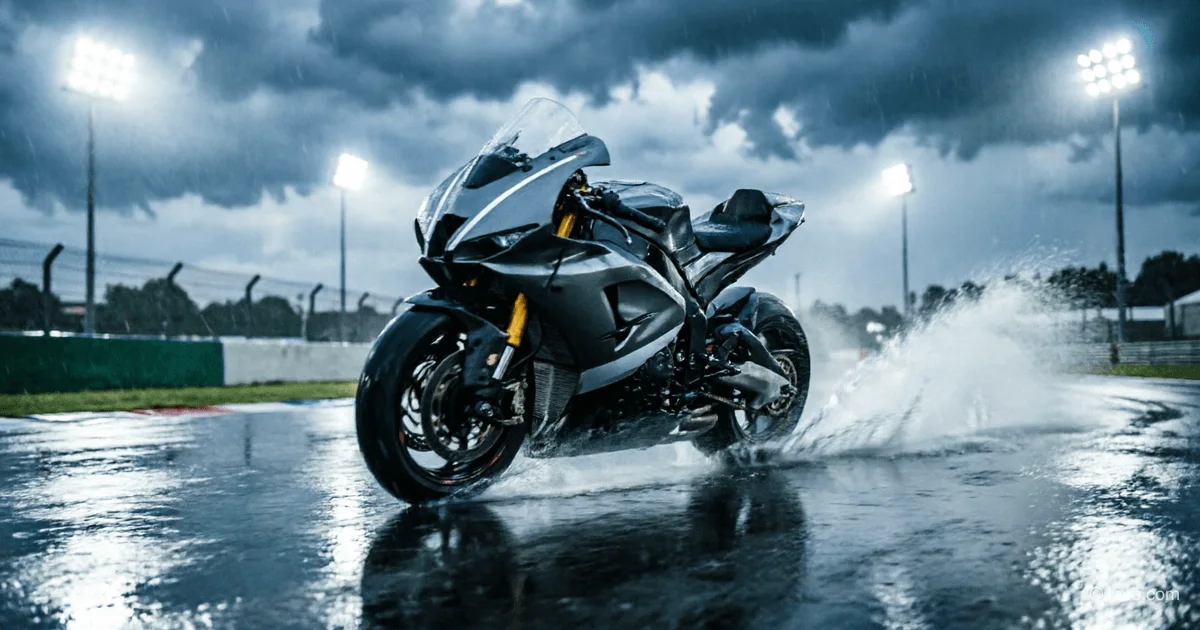
The three championship classes differ in motorcycle technical specifications, which directly affects riding style and race excitement. The MotoGP class is the pinnacle of motorsport: prototypes with 1000cc engines, around 250 horsepower, and top speeds exceeding 350 km/h. The minimum bike weight is 157 kg, excluding the rider. These machines are not sold on the market and are pure racing prototypes.
The Moto2 class occupies an intermediate position: 765cc three-cylinder engines, about 140 horsepower, top speed over 295 km/h. Here, the chassis remain prototypes, but engines are supplied by a single manufacturer—Triumph. The minimum weight is significantly higher at 217 kg including the rider.
The junior Moto3 class uses 250cc single-cylinder engines producing around 60 horsepower and reaches speeds of up to 245 km/h. The minimum weight including the rider is 152 kg. Unlike the two senior classes, racing here is wheel-to-wheel with minimal gaps, and slipstream plays a critical role.
It's important to note that this system is evolving. Moto3 is facing major changes: a switch to 500cc or even 700cc engines is under discussion. This is necessary to adapt the machinery to larger, heavier riders of the new generation and to reduce the step between Moto3 and Moto2.
A MotoGP race weekend lasts three days and has a strict structure. On Friday, there are two practice sessions: Free Practice 1 and Practice, with the latter's results determining who goes directly into the second qualifying segment. Saturday begins with a 30-minute free practice, followed by qualifying sessions—first Q1 for those not in the top 10 from Friday, then Q2 with the fastest riders. The starting grid positions determine the lineup for both the Saturday sprint and the Sunday race.
Analysis / Tactics / Points System and Concessions
The sprint race, introduced in 2023, takes place on Saturday and is roughly half the distance of the main Sunday race. If the main race is 22 laps, the sprint is 11. The points system for the sprint differs from the main race: the winner gets 12 points, second place gets 9, third gets 7, then 6, 5, 4, 3, 2, and 1 point respectively. Only the first nine finishers score points. In the main race, points are awarded to the first 15 riders in the classic format: 25 for a win, 20 for second, 16 for third, and so on.
The concession system deserves special attention—a unique mechanism that allows struggling manufacturers to close the gap to the leaders. All factory teams are divided into four categories: A, B, C, and D. Category A is the most successful; for example, Ducati has been in it for three years. Category D is the least competitive, where Yamaha was until recently.
Privileges vary dramatically. Teams in category D can test with their main riders on any track, are entitled to six wild cards (additional appearances during the season without engine freeze), use 9-10 engines per season instead of 7-8, do not freeze engine specifications during the championship, and can make two aerodynamic updates instead of one. When moving to category C, the number of test tires is reduced from 260 to 220, tests are only allowed for test riders, wild cards remain, but the engine is frozen at the start of the season. Category B reduces wild cards to three, and category A eliminates them entirely.
The practical value of understanding this system for a fan is clear: when you see an Aprilia or KTM rider suddenly dominate after the summer break, you know it might be due to a change in concession category—calculations are made after the round at the Sachsenring.
Key Points
- Three classes, three philosophies: MotoGP for pure prototypes and maximum power, Moto2 as an intermediate class with a single engine, Moto3 as a school of slipstream racing and precision riding.
- Double race weekend: the Saturday sprint awards up to 12 points and sets the tone for Sunday's battle; the main race awards up to 25.
- Qualifying determines everything: the Q1/Q2 result sets the starting grid for both the sprint and the Grand Prix, so a poor Saturday morning ruins the entire weekend.
- Wild cards and tests: the number of additional races and test days directly depends on the manufacturer's success—the worse the results, the more privileges.
- Transition period: from 2027, MotoGP faces revolutionary changes—engine capacity will drop to 850cc, and the tire supplier will switch from Michelin to Pirelli.
Conclusion
Understanding the MotoGP format means seeing the races in a completely different light. Behind every overtake on the last lap of the sprint lies a conscious choice by the rider: risk it for 12 points or save the bike for Sunday. Behind an unexpected podium from a factory team that was languishing at the back of the pack yesterday lies smart use of concessions and focused testing work.
The weekend format is designed to keep the viewer on edge for three days: Friday builds anticipation through the fight for direct Q2 entry, Saturday delivers the instant resolution of the sprint, and Sunday brings the full-length drama of the main race. And the class system creates a natural talent pipeline: today's Moto3 hero fights in Moto2 tomorrow, and the day after challenges Marc Marquez in the premier class. This vertical structure makes motorsport not just racing, but an endless saga of overcoming, technology, and human courage.
— Editorial Team