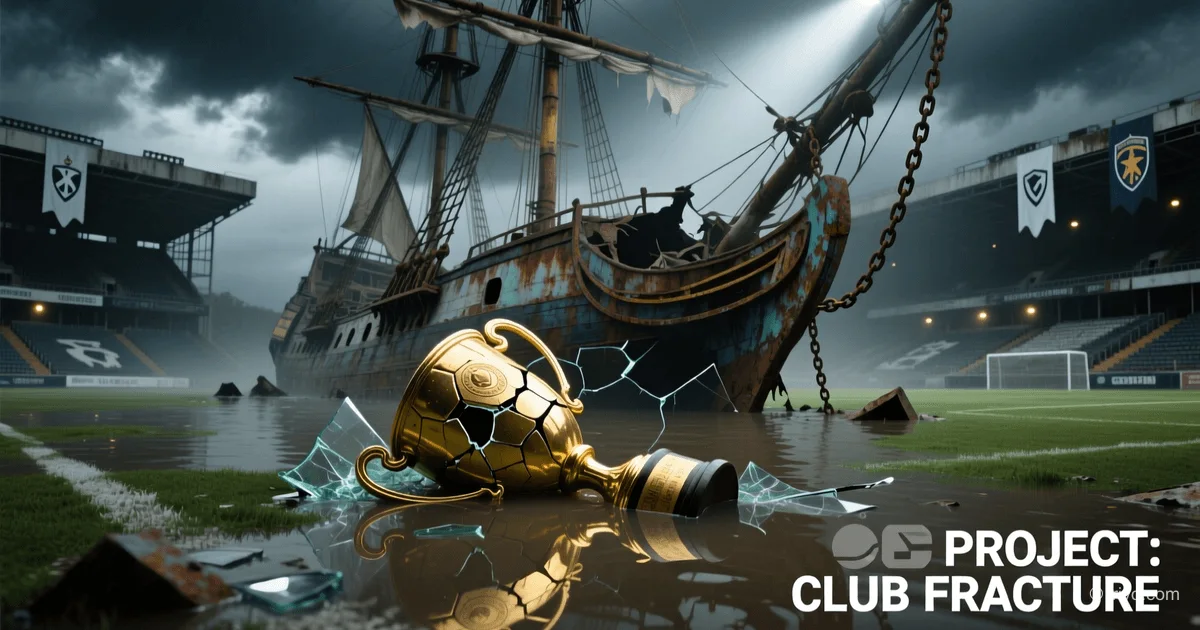
Championship Chaos: How Bad Owners Wreck Clubs and What's Being Done
You've probably heard the saying: football is a simple game, but club ownership? That's where things get messy. In the EFL Championship, the pressure to reach the Premier League is immense — we're talking hundreds of millions in potential revenue. But when owners make disastrous decisions, the fallout can cripple a club for years. Let's cut through the noise and look at how bad ownership has wrecked Championship teams, and what might finally change the game.
Why Championship Ownership Is a High-Stakes Gamble
The Championship is a brutal league. Clubs pour money into squads chasing that golden ticket to the Premier League, where financial security awaits. But when owners lack vision, integrity, or simply vanish, the consequences are severe. We've seen clubs like Reading and Derby County plummet into administration, rack up points deductions, and even face extinction. It's not just about losing games; it's about broken promises, unpaid wages, and fan bases driven to despair.
Common red flags? Sudden spending sprees followed by silence, ignoring fan protests, and treating the club like a personal piggy bank. Take Blackburn Rovers: after the Venky's takeover, they cycled through managers, alienated supporters, and saw the club drop to League One. Or Birmingham City under Carson Yeung — jailed for money laundering — leaving the club in limbo for years. These aren't isolated cases; they're patterns that repeat across the division.
What's especially damaging is how these owners often start with promise. They talk big about promotion, invest in flashy signings, and then pull the rug out when things get tough. The result? Clubs left with unsustainable debts, demoralized squads, and communities that feel betrayed. And let's be clear: this isn't just bad business — it's a betrayal of the fans who keep these clubs alive.
Three Cases That Show the Damage Done
Let's zoom in on three ownership disasters that highlight the worst of the Championship's problems.
Derby County: The Fan Who Broke His Own Club
Mel Morris wasn't some distant billionaire — he was a lifelong Rams fan who took over in 2015. He invested heavily, nearly got Derby promoted, but then overspent wildly. When the money ran out, Derby entered administration in 2021, got hit with a 21-point deduction, and were relegated to League One. The kicker? New owner David Clowes revealed the club would have collapsed within a week without his rescue. Morris's story is a cautionary tale: passion without financial sense is a recipe for disaster.
Reading: A Chinese Takeover Gone Horribly Wrong
Dai Yongge bought Reading in 2017 with big plans and big spending — £7.5m on Sone Aluko, a state-of-the-art training ground. But then he disappeared. Players went unpaid, the club racked up 18 points in deductions, and Reading were relegated to League One. The EFL finally disqualified Yongge and forced a sale. For fans, it was years of agony watching their club crumble while the owner ignored them. This isn't just mismanagement; it's abandonment.
Sheffield Wednesday: The Owner Who Lost the Plot
Dejphon Chansiri arrived in 2015 with dreams of Premier League glory. He spent big, came close to promotion, then lost interest when it didn't happen. The Owls got a 12-point deduction for financial breaches, were relegated to League One, and fans staged years of protests. Chansiri's legacy? A club in ruins and a fanbase that feels permanently scarred. His story shows how quickly ambition can turn into apathy — with devastating results.
The Light at the End of the Tunnel?
There is hope, though. The new Independent Football Regulator (IFR), launching later this year, aims to stop these disasters before they start. It'll have the power to block unfit owners, enforce financial rules, and protect clubs from reckless takeovers. For fans of clubs like Morecambe or Blackpool — who've suffered under years of neglect — this could be a game-changer.
But the IFR isn't a magic fix. It needs teeth, funding, and independence from the EFL's own conflicts of interest. And for clubs already damaged, recovery takes time. Bolton Wanderers, for example, are slowly rebuilding under new ownership after nearly going bust in 2019. Their journey shows that with the right people in charge, even the deepest wounds can heal.
Key Takeaways
Here’s what every Championship fan should know:
- Ownership matters more than tactics: A bad owner can destroy a club faster than any losing streak.
- Fans are the last line of defense: Protests, boycotts, and legal battles have forced out owners like the Oystons at Blackpool.
- The IFR is a critical test: If it works, we'll see fewer clubs in crisis; if it fails, the cycle continues.
The Championship's future depends on getting this right. Because when clubs like Sunderland win promotion and earn £200m, it proves the dream is real. But without responsible owners, that dream turns into a nightmare.
— Editorial Team