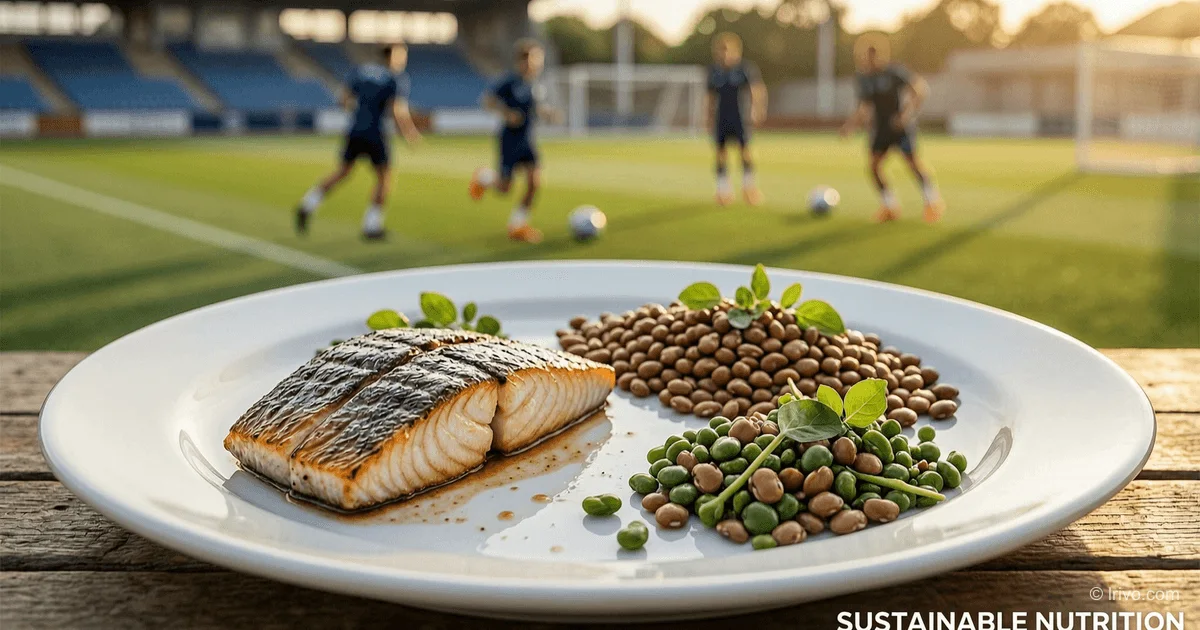
How Football Nutrition is Shifting Towards Sustainability
Food is now a central performance tool in elite football, meticulously planned alongside tactics and fitness. But a quieter, significant trend is emerging: sustainability is beginning to influence what players eat. This shift is driven first by sports science, with environmental benefits becoming a secondary, positive outcome.
The Science Behind the Shift
At top clubs across Europe, nutritionists are increasingly designing diets that reduce reliance on red meat. The focus is on lean proteins, fish, and plant-based sources like legumes and pulses. These choices are favoured for supporting recovery and endurance while potentially reducing inflammatory responses compared to heavier meats. The performance data led to this change; the reduced carbon footprint of such diets is a welcome bonus. This isn't about a wholesale vegan revolution. It's a pragmatic, performance-first adjustment that results in a meaningful, though subtle, reduction in the environmental impact of football's culinary operations.
- Performance Optimization: The primary driver is athletic gain, not ethics.
- Diverse Protein Sources: Fish, poultry, and plant-based proteins are becoming staples.
- Reduced Inflammation: Sports science links certain diets to better recovery.
- Environmental Co-Benefit: A lower-meat diet naturally reduces associated emissions.
From Training Ground to Stadium
This philosophy is starting to extend beyond the players' dining hall. Tottenham Hotspur, for example, has adopted a 'plant-forward' approach for its stadium catering, reducing meat proportions and increasing plant-based options for fans. This reflects a broader club alignment where performance, health, and sustainability conversations are beginning to overlap. Other Premier League clubs are also expanding vegetarian and vegan offerings. However, the change in the concourses is additive—providing alternatives—rather than transformative. The traditional matchday pie, burger, and processed snacks remain dominant, deeply rooted in fan ritual and culture.
The Player-Fan Disconnect
There's a clear paradox. Footballers are global influencers, yet their specific, high-performance diets don't directly translate to fans. Supporters emulate celebrations and footwear, but not meal plans. The reasons are practical: a professional's diet is expensive, highly structured, and tailored to an extreme physical output unmatched by most supporters. This creates a gap between the optimized, sustainability-conscious eating inside the training ground and the tradition-heavy offerings in the stadium. Clubs are cautiously expanding options, but the core fan experience remains conservatively anchored in familiar foods.
Key Takeaways
- Performance Leads: The move towards more plant-inclusive diets in football is primarily driven by sports science and the pursuit of marginal gains, not environmental campaigning.
- Trickle-Out Effect: Club philosophies are slowly influencing fan-facing services, like stadium catering, but change is gradual and additive rather than a full overhaul.
- A Cultural Challenge: Bridging the gap between player nutrition and fan food culture requires more than new menu items; it needs a shift in how football views the matchday dining ritual.
- Evolution, Not Revolution: Players are adopting flexible, lower-meat approaches, not strict veganism, showing that dietary change can be pragmatic.
- The Future Possibility: The logic of efficiency and optimization that guides player diets could, in theory, be applied to reframe the entire matchday food experience for supporters.
The most sustainable aspect of this trend might not be the specific ingredients, but the potential for football's performance-driven innovations to slowly redefine norms. What starts as a marginal gain for players could, over time, reshape what eating well at football looks like for everyone.
— Editorial Team