MLS Calendar Shift and World Cup Boost Set to Reshape American Soccer
Major League Soccer is about to make its boldest move yet — switching to a fall-spring calendar starting in 2027. This isn’t just a scheduling tweak. It’s a full-on strategic pivot designed to sync with global football rhythms, dodge brutal summer heat in key cities, and open up smarter transfer windows. MLS exec Camilo Durana says the change will let clubs compete better internationally and attract higher-caliber talent without timing conflicts.
Why the Calendar Flip Matters More Than You Think
Switching from summer to winter play might sound like admin work, but it’s actually a game-changer. Right now, MLS runs opposite Europe’s big leagues. That means when top players are available or agents are brokering deals, MLS teams are either mid-season or scrambling through playoffs. The new calendar fixes that. Clubs can now plan signings around FIFA windows, avoid bidding wars during their own busy periods, and even loan out young players to European sides without wrecking their domestic campaign.
But there’s more: weather. Cities like Dallas, Atlanta, and Phoenix bake in July. Moving games to March or October means fewer heat delays, happier fans, and less strain on players. It also lines up better with school schedules — making family attendance easier and boosting ticket sales.
Stadiums, Culture, and the Latino Fanbase Fueling Growth
Marcelo Balboa, former U.S. national team star and MLS icon, points out how far the league’s come. Back in the day, teams played in half-empty NFL stadiums with zero atmosphere. Now? Over $11 billion has poured into soccer-specific venues and training academies. These aren’t just stadiums — they’re community hubs. Tailgates, supporter sections, local food vendors — the whole vibe screams “this is OUR sport now.”
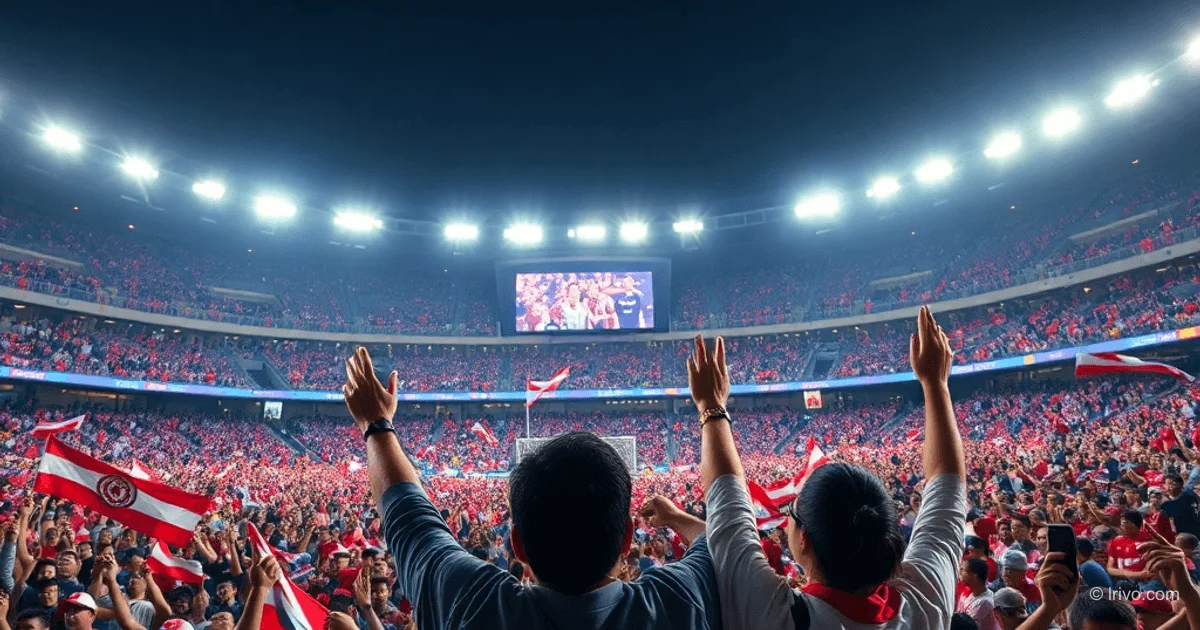
And let’s not forget who’s been holding this thing together: Latino fans. Balboa calls them the “engine” of MLS growth. Their passion, chants, flags, and traditions turned generic matches into electric events. When the 2026 World Cup hits, that energy will explode onto the global stage. Expect packed stands, viral moments, and maybe even a few breakout stars discovered right here in the U.S.
The 2026 World Cup: Catalyst, Not Just Celebration
This isn’t just another tournament. It’s the moment MLS goes from “growing league” to “global player.” Sixteen U.S. cities will host matches, and many MLS stadiums — like LAFC’s Banc of California or Atlanta United’s Mercedes-Benz — will double as team bases for visiting national squads. That exposure? Priceless. Broadcasters worldwide will spotlight these venues, these crowds, these stories.
The league’s betting big that the World Cup effect won’t fade after the final whistle. They want lasting infrastructure upgrades, youth enrollment spikes, and a permanent bump in media rights value. Think of it like South Korea after 2002 or Qatar after 2022 — except with deeper roots already in place.
Here’s what MLS hopes to lock in by 2030:
- Global player pipeline: Easier transfers, smarter loans, international scouting networks.
- Fan loyalty surge: Younger demographics hooked during World Cup, retained via local clubs.
- Commercial muscle: Sponsorships, merch, streaming deals all upgraded post-tournament.
What Could Go Wrong?
Of course, no revolution comes risk-free. Switching calendars means disrupting broadcast contracts, alienating summer-only fans, and possibly clashing with college football or NBA playoffs in some markets. There’s also the question of player fatigue — winter games in Chicago or Seattle could mean snow, ice, and injuries if field conditions slip.
And while Latino support is strong, MLS still needs to convert casual viewers into season-ticket holders across Middle America. The World Cup will bring eyes, but keeping them requires consistent quality, affordable tickets, and real rivalries — not just imported stars past their prime.
Key Takeaways
- MLS shifts to fall-spring calendar in 2027 to align with global football cycles and avoid extreme summer heat.
- Over $11 billion invested in stadiums and academies — many doubling as 2026 World Cup team bases.
- Latino fan culture is credited as the emotional backbone of the league’s rise.
- 2026 World Cup is seen as the tipping point for MLS to become a true global competitor.
- Risks include calendar disruption, weather challenges, and converting short-term hype into long-term loyalty.
— Editorial Team