Karren Brady's West Ham Legacy: Trailblazer or Villain?
Karren Brady's departure from West Ham United has sparked a fresh debate about her legacy at the club. Seen as a trailblazer for women in football business, her tenure is also remembered by many fans as a period of profound disconnect. The move from the Boleyn Ground to the London Stadium remains the defining, and most divisive, chapter of her time with the Hammers.
The Stadium Move: A Deal and Its Consequences
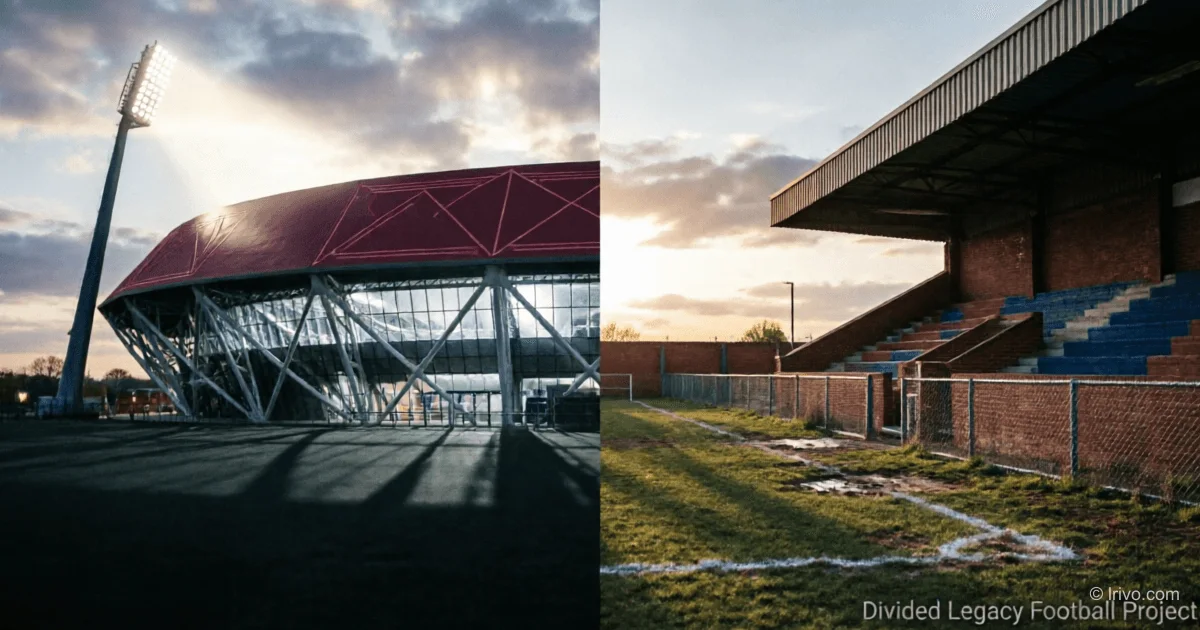
Brady, alongside majority owner David Sullivan and his late business partner David Gold, negotiated the club's move to the Olympic Stadium in 2016. The deal was financially favorable for West Ham, but the vision behind it—transforming the club into an elite European contender—has not materialized as planned. Instead, the relocation created a physical and emotional rift. The distance from the pitch, coupled with inconsistent team performances, led to a perceived lack of atmosphere. For many supporters, this move symbolized the club being taken away from its traditional roots, and Brady was a central figure in that decision.
The abuse directed at the ownership trio, including Brady, has been persistent and severe. This ongoing criticism is cited as a factor in her decision to leave the club immediately, especially as West Ham fights to avoid relegation this season.
Evaluating the Brady Era: Achievements vs. Backlash
It's important to look at both sides of the story. Here are some key points from Brady's time at West Ham:
- European Success: The club achieved three consecutive European campaigns, culminating in the 2023 Conference League win against Fiorentina—a historic night for the club.
- Premier League Stability: West Ham has maintained its place in the top flight since 2012, aiming for its longest run since the 1960s.
- Stadium Identity Efforts: Attempts to make the London Stadium feel more like home, such as the maroon carpet behind the goal and the statue of legends Moore, Peters, and Hurst.
- Unrealized Commercial Goals: Brady believed she could secure a lucrative naming rights deal for the stadium, a goal that remains unmet.
Despite these points, for a significant portion of the fanbase, the negatives overwhelmingly define her legacy. The stadium move and the associated feeling of lost identity outweigh any achievements.
Key Takeaways from Brady's Exit
- Brady's role was fundamentally dual: a pioneering business figure in football and a controversial executive for her own club.
- The 2016 stadium move is the single most impactful event shaping fan perception of her tenure.
- While there were operational successes, the emotional connection with many supporters was damaged.
- Her departure occurs at a critical moment, with the club in a relegation battle.
- History may judge her more kindly, but current sentiment among many fans is relief at her exit.
— Editorial Team